
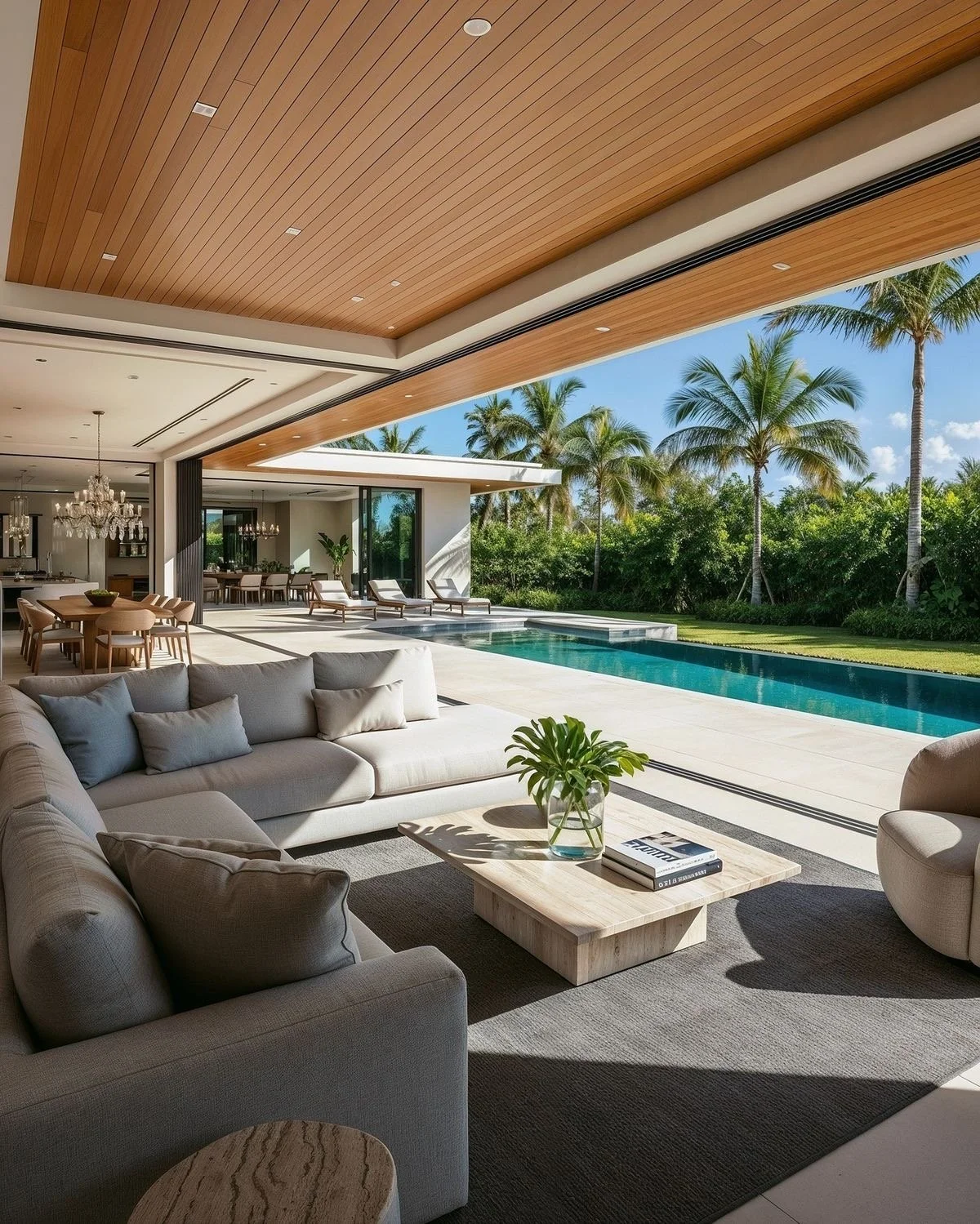
The Art of Outdoor Living: elevating pools, patios, + terraces in luxury properties…
There's a difference between having a backyard... and having an outdoor living environment.
If you've traveled to places like Amalfi Coast, Cabo San Lucas, or Napa Valley, you've experienced outdoor living at its highest level.
The light, the materials, the seamless flow between interior + exterior — nothing feels accidental.
The mistake I see many homeowners make?
They approach pools, patios, + terraces as add-ons instead of architectural extensions of the home.
If you want to invest wisely, your outdoor spaces must be designed with the same rigor as your interiors.
Let's walk through how to do just that. I got you! #Trust
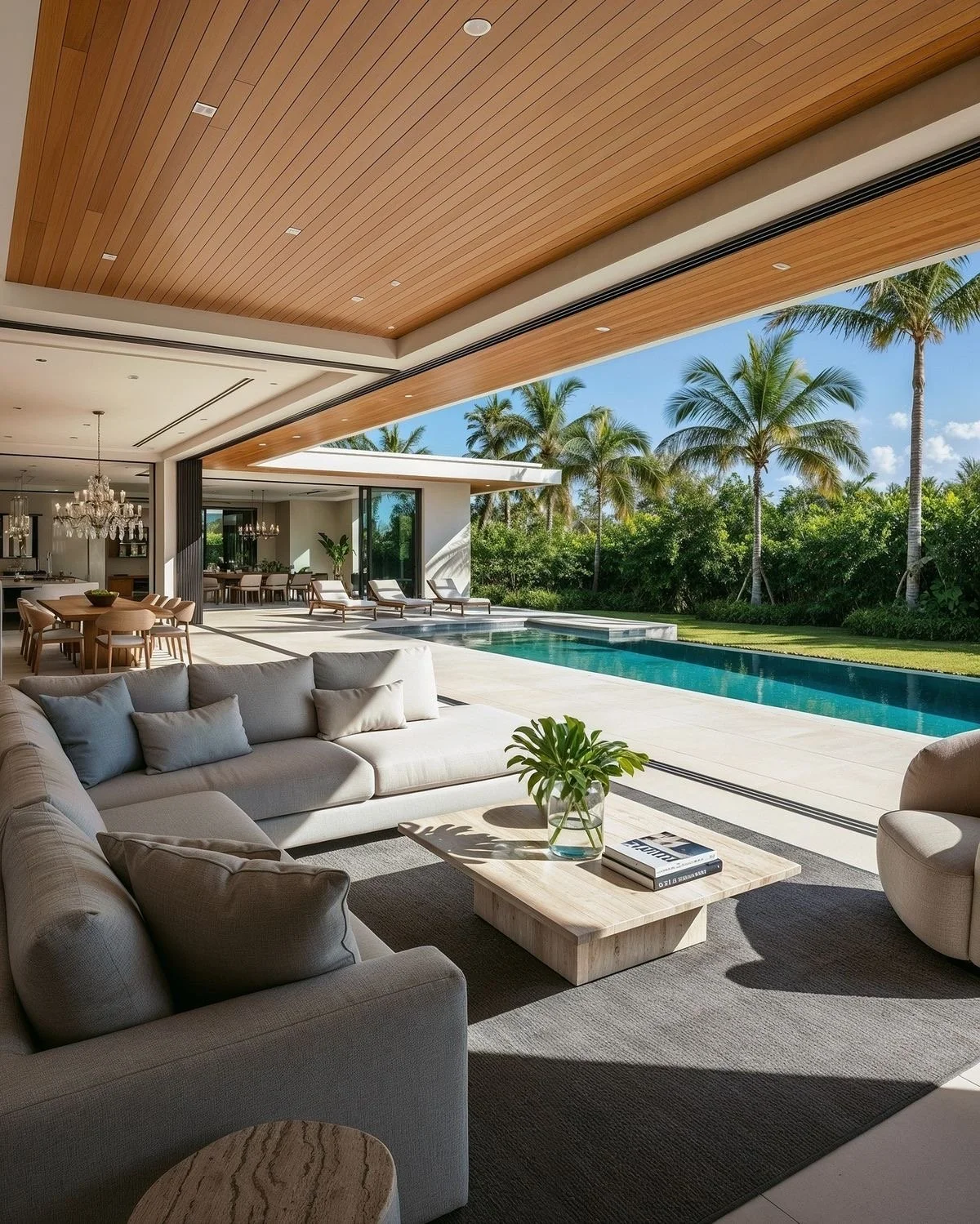
There's a difference between having a backyard... and having an outdoor living environment.
If you've traveled to places like Amalfi Coast, Cabo San Lucas, or Napa Valley, you've experienced outdoor living at its highest level.
The light, the materials, the seamless flow between interior + exterior — nothing feels accidental.
The mistake I see many homeowners make?
They approach pools, patios, + terraces as add-ons instead of architectural extensions of the home.
If you want to invest wisely, your outdoor spaces must be designed with the same rigor as your interiors.
Let's walk through how to do just that. I got you! #Trust
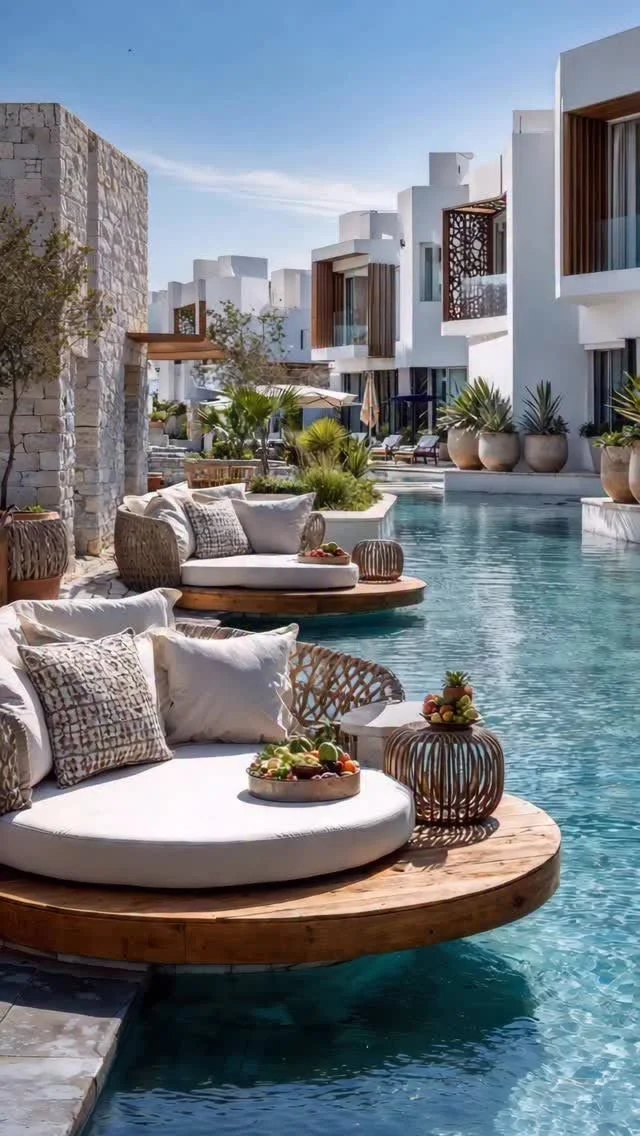
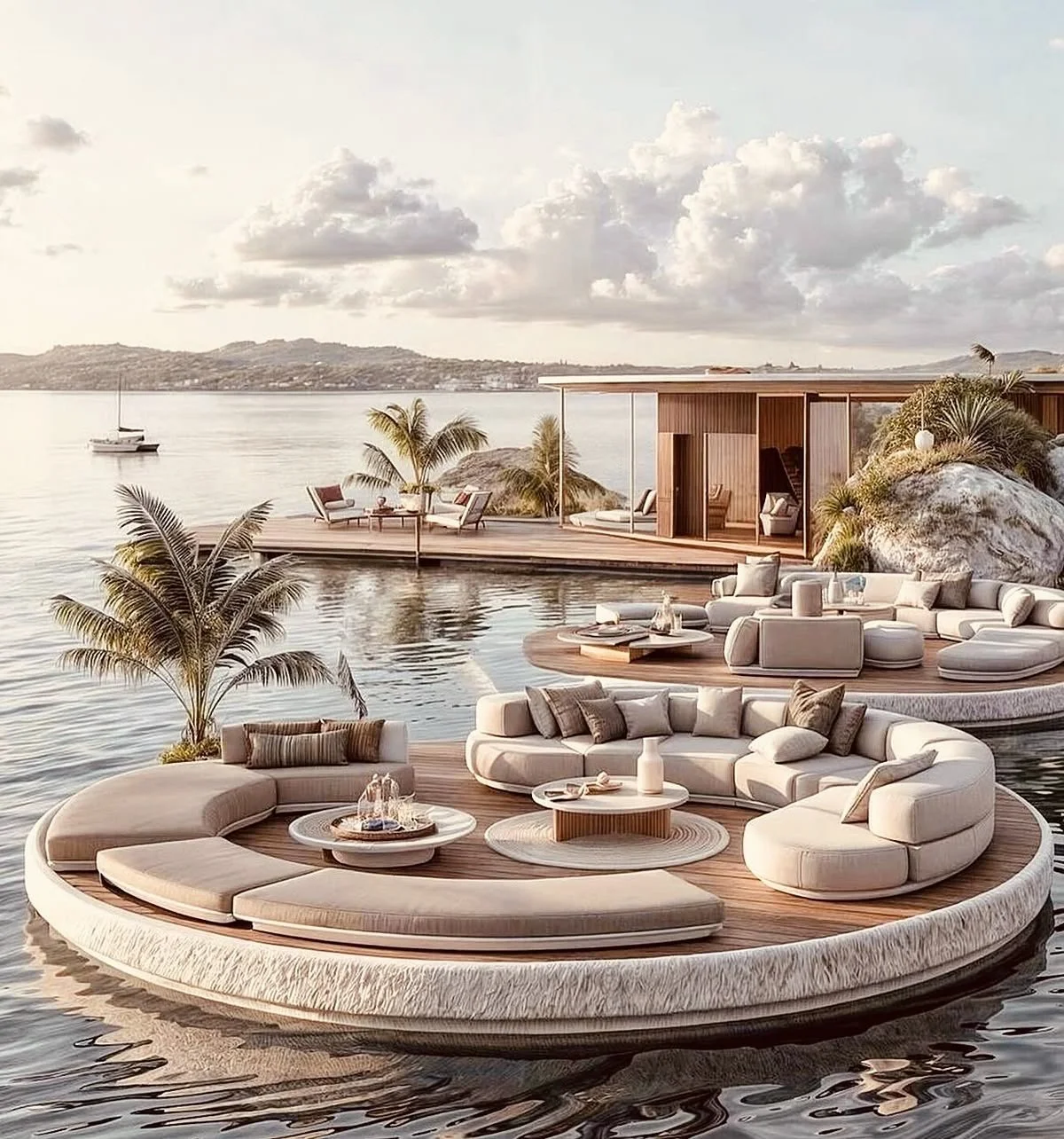
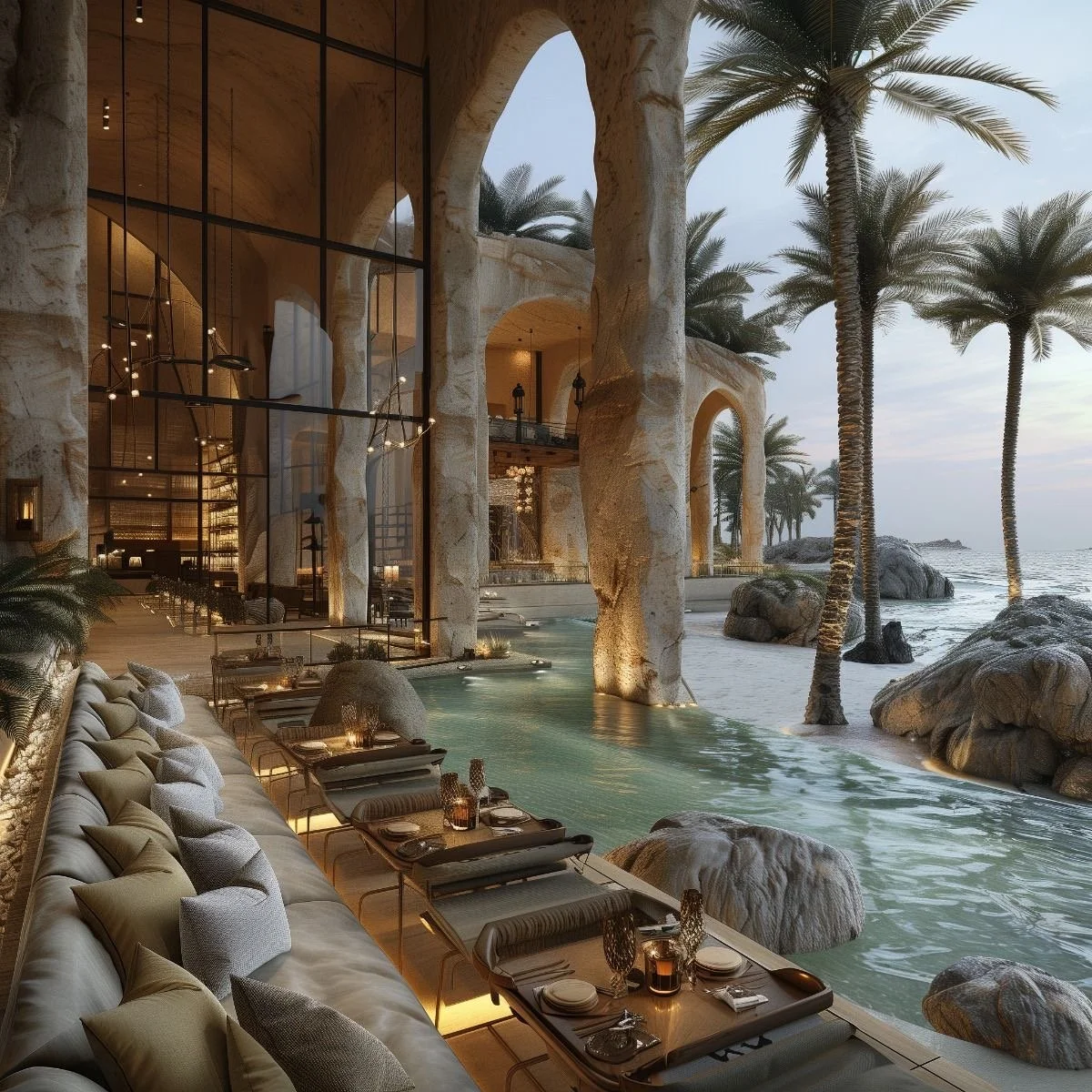
1. Start With Architecture — Not Furniture
Before selecting a single chaise lounge, ask yourself:
Does this outdoor space feel like it belongs to the house?
In true luxury residential architectural design, outdoor areas are conceived during the architectural phase — not after construction.
Key Principles:
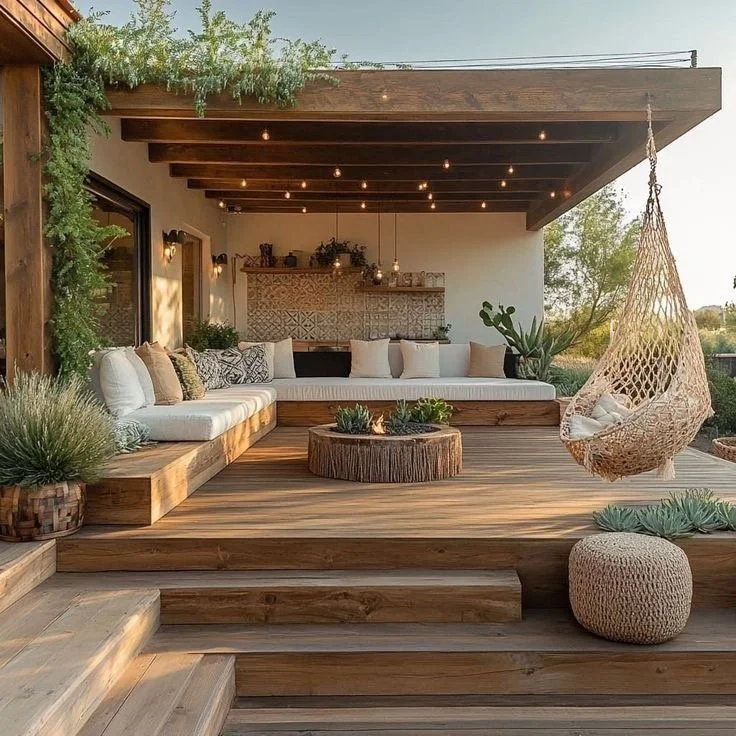
Align rooflines + ceiling heights with interior volumes
Continue flooring materials or complementary textures
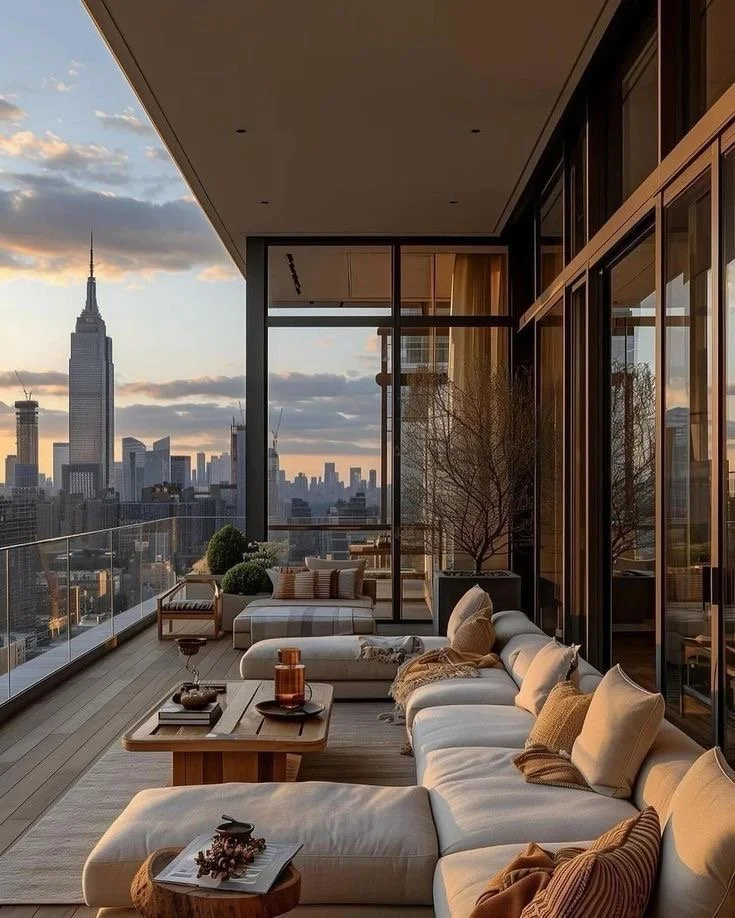
Frame views intentionally (not randomly)
Integrate structural shade: pergolas, deep overhangs, arcades
When the transition from inside to outside feels effortless, your home instantly feels larger — without adding square footage.
Investment insight: Architectural integration increases perceived value far more than decorative upgrades ever will.
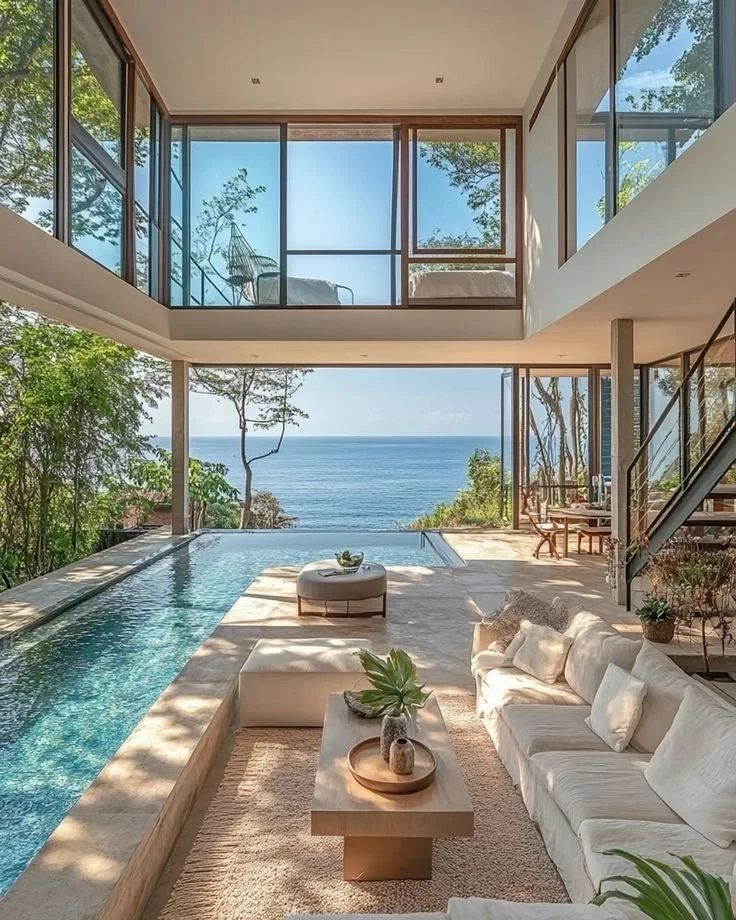
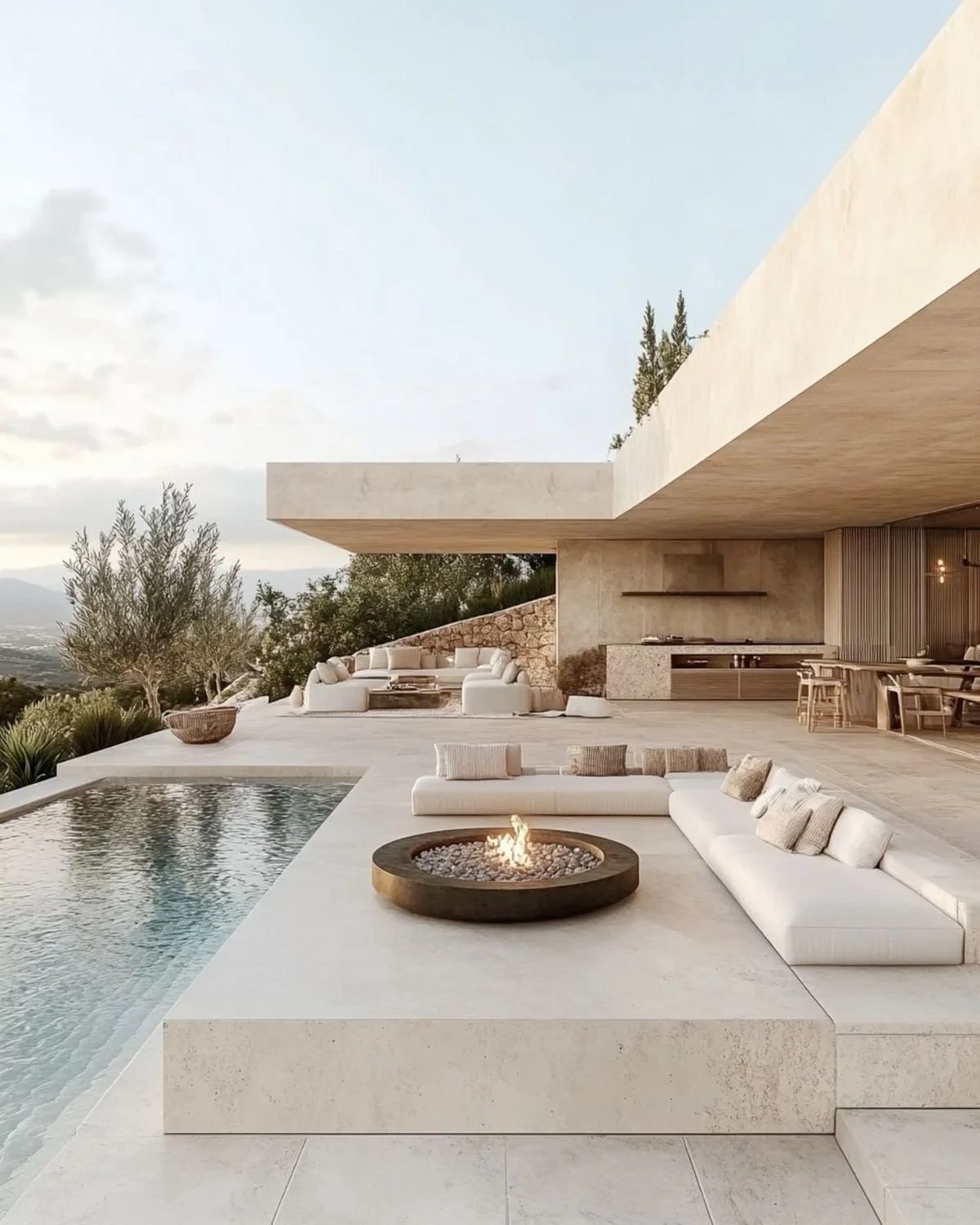
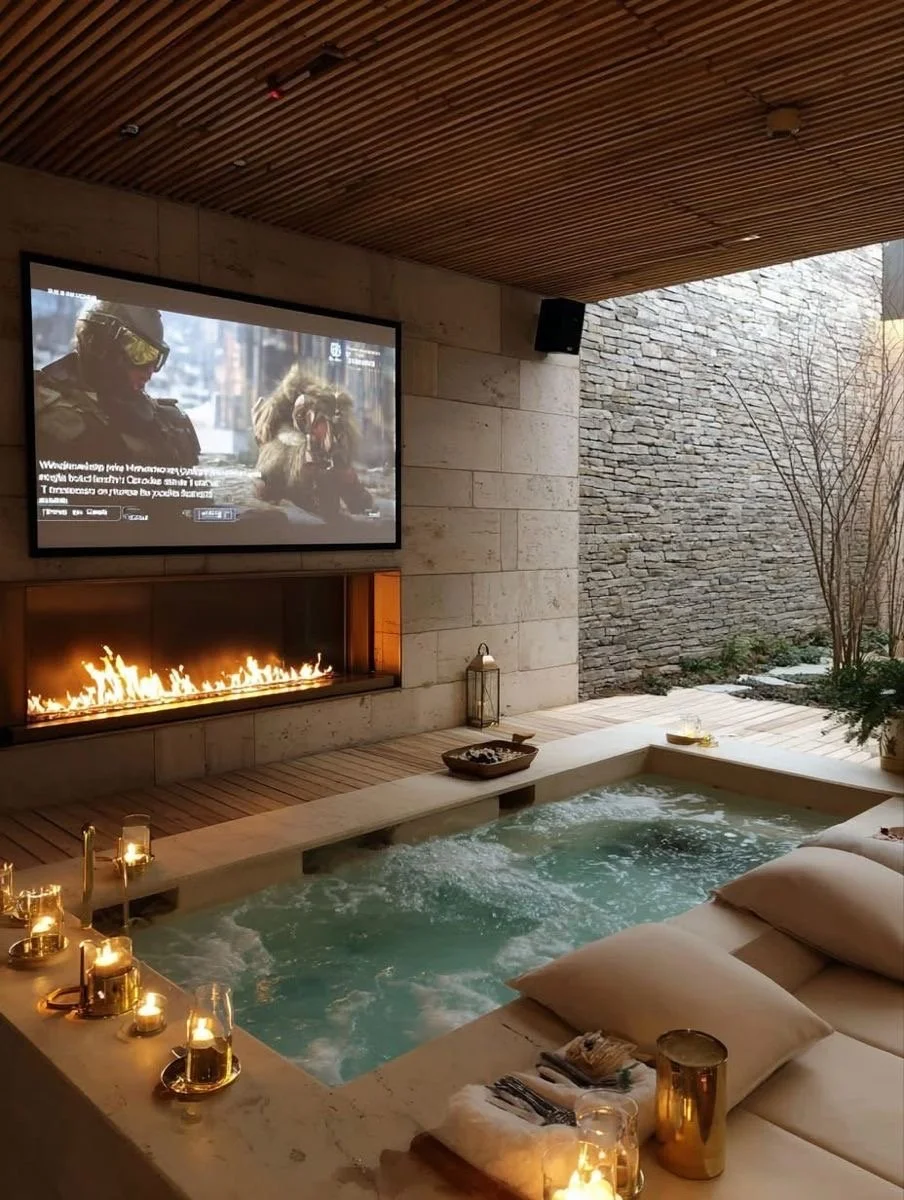
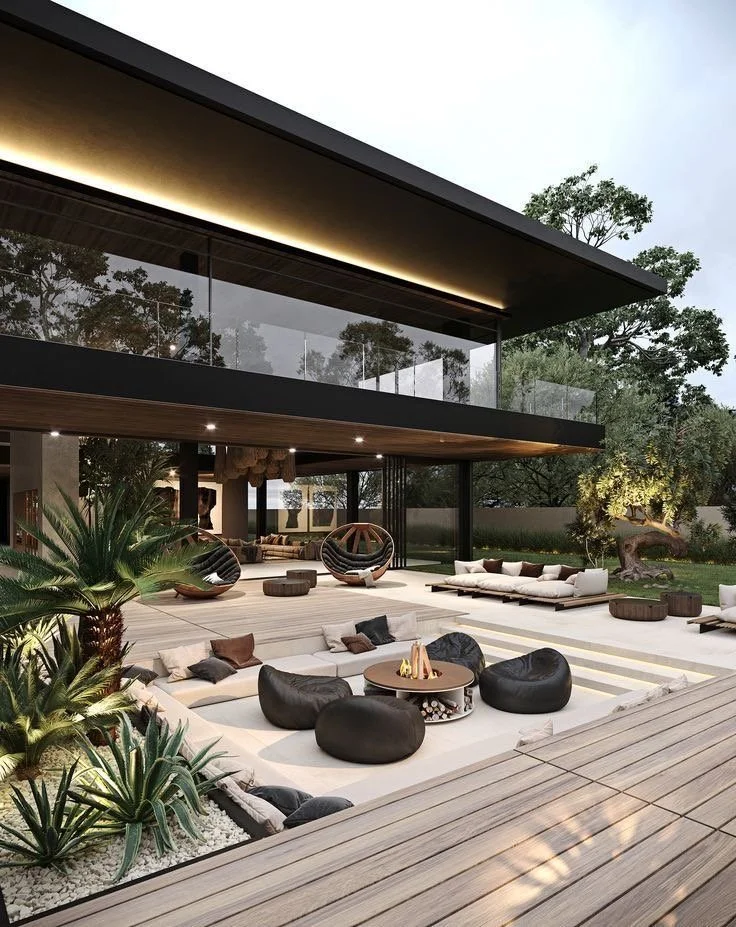
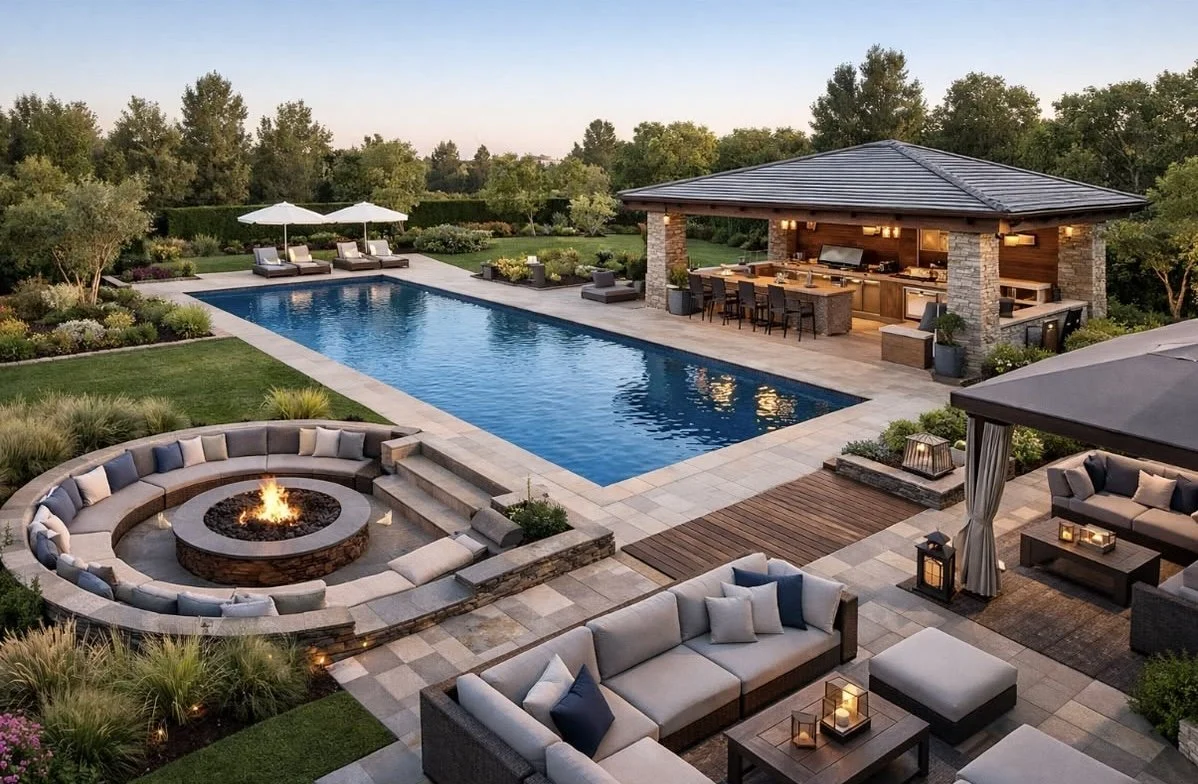
2. Design Outdoor Rooms, Not Open Slabs.
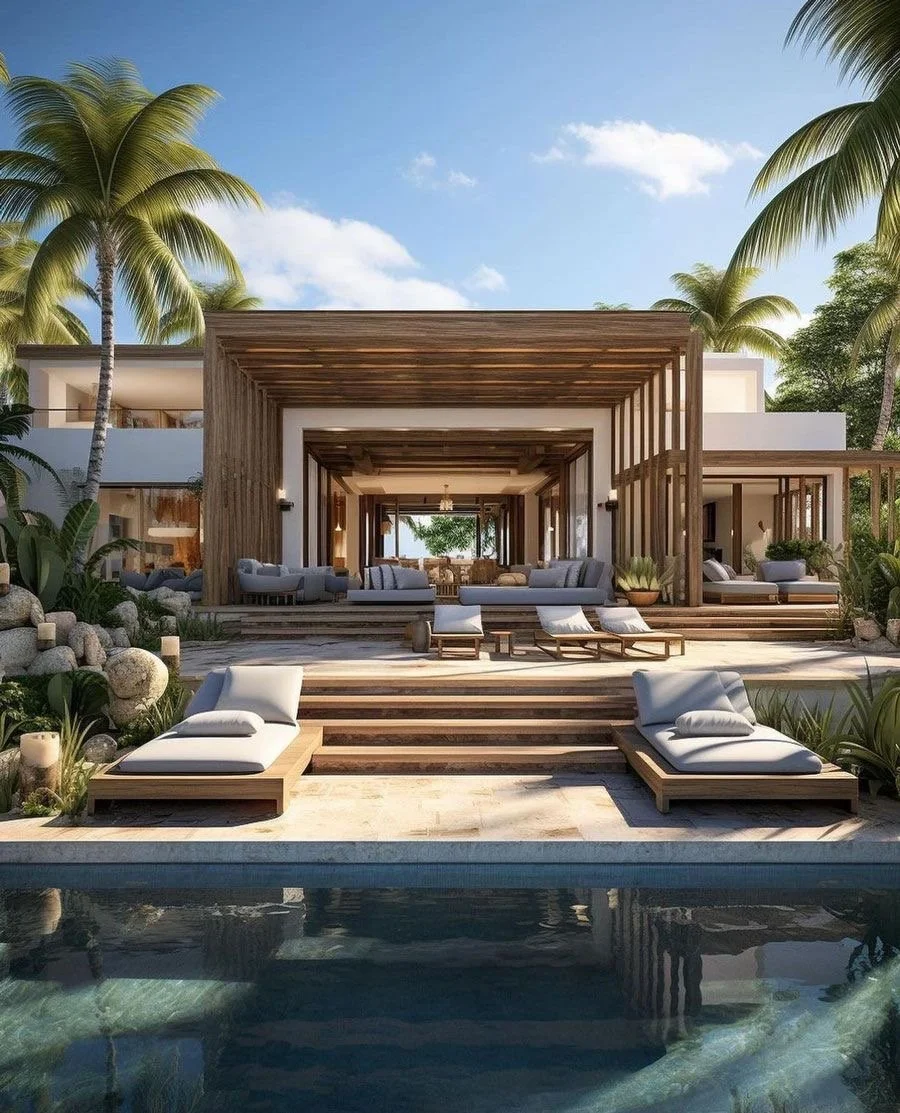
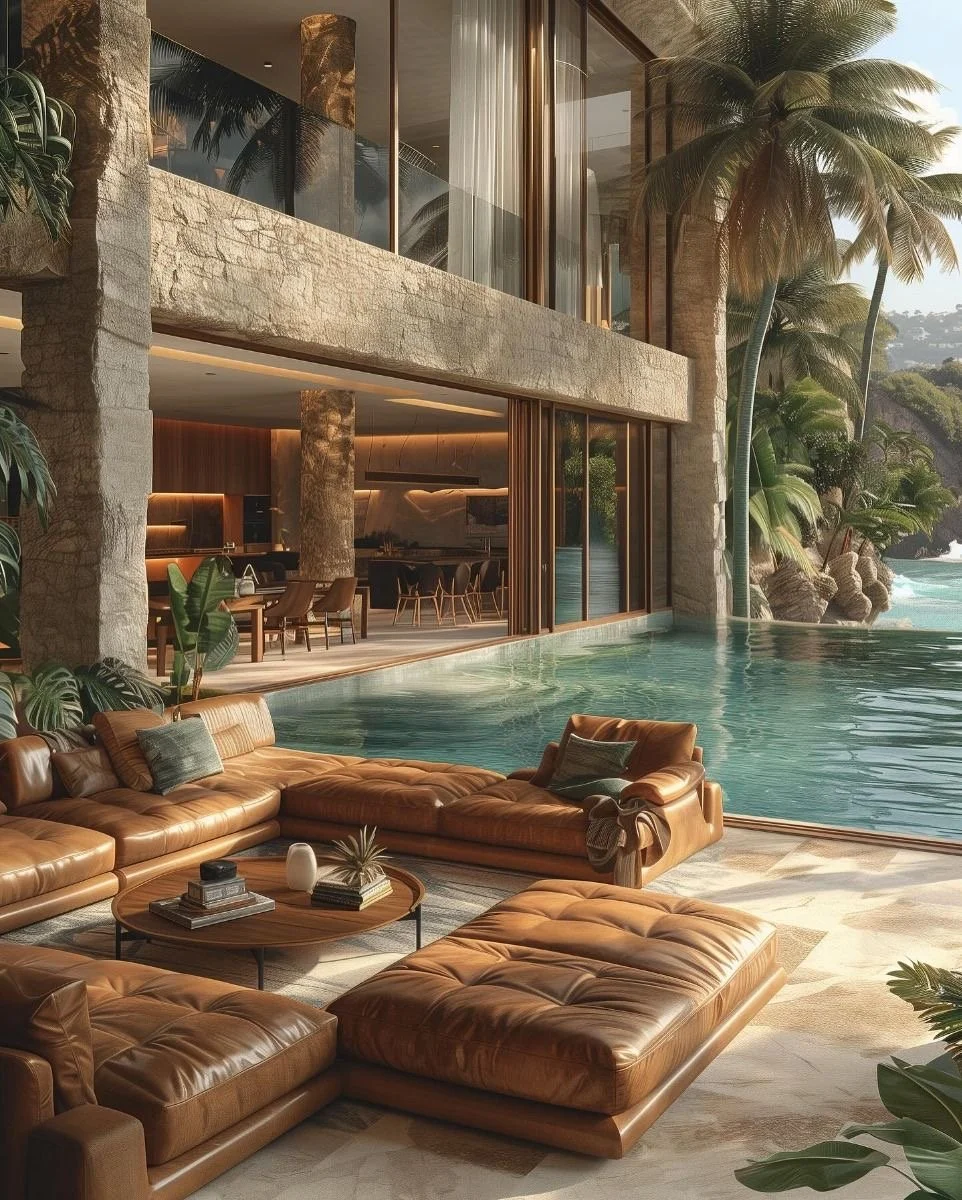
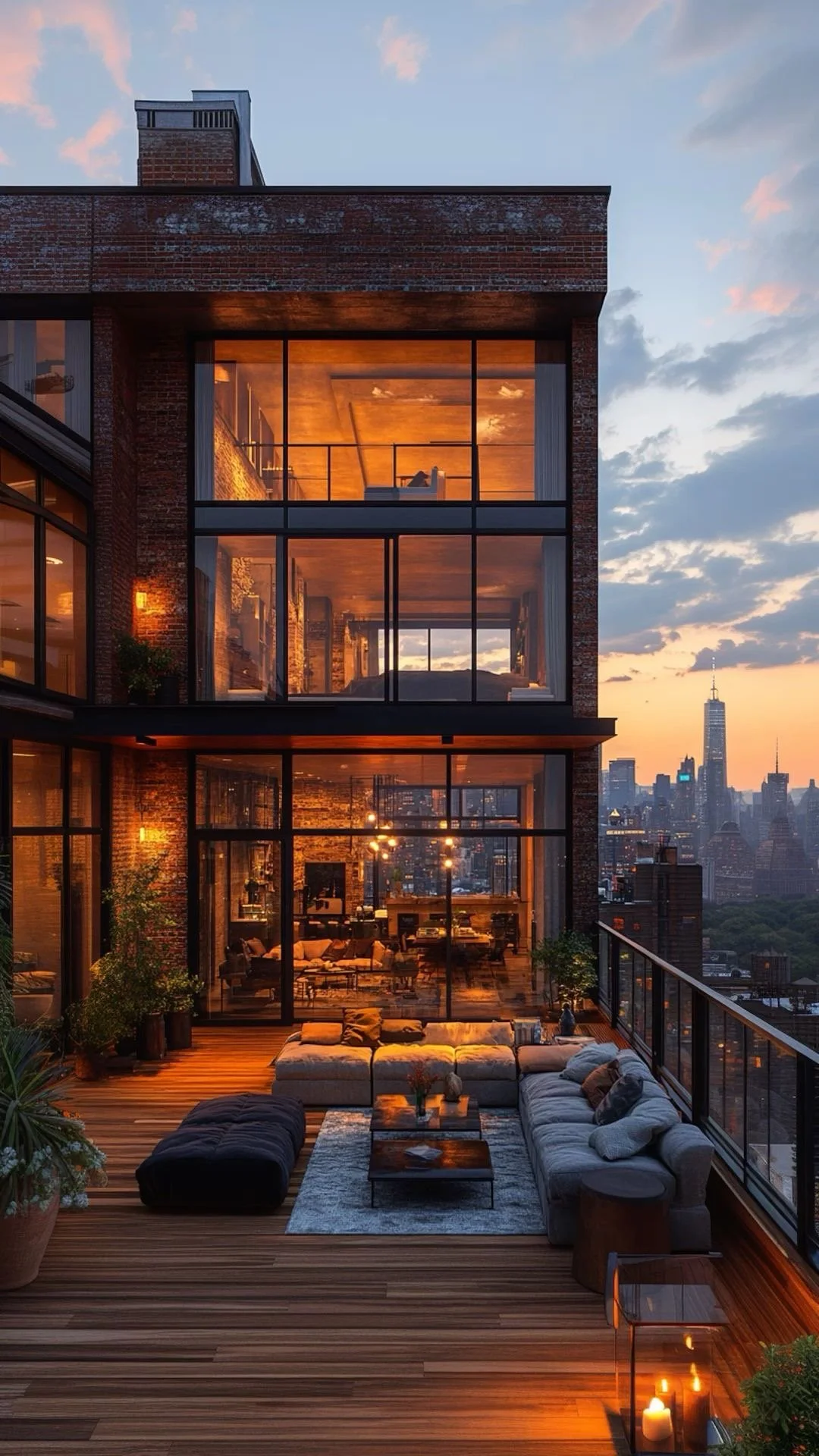
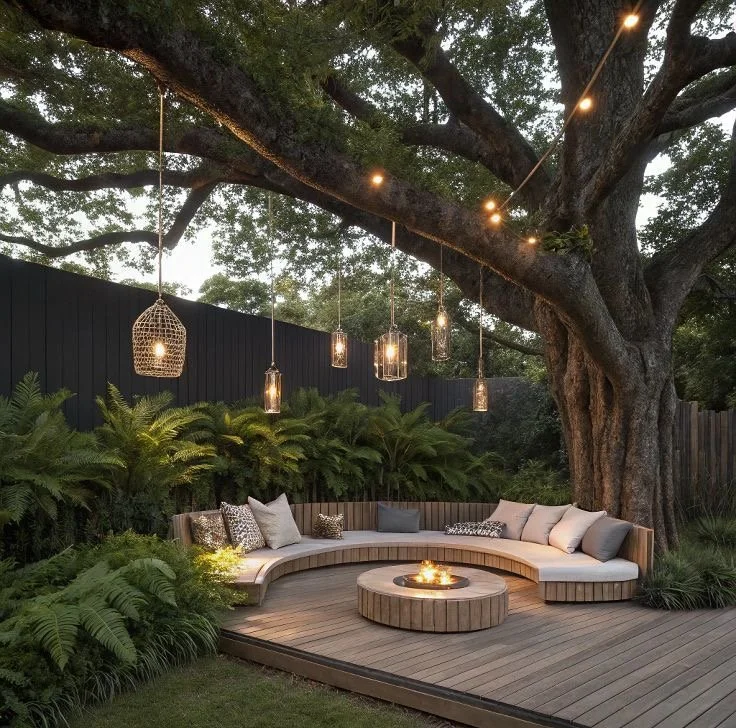
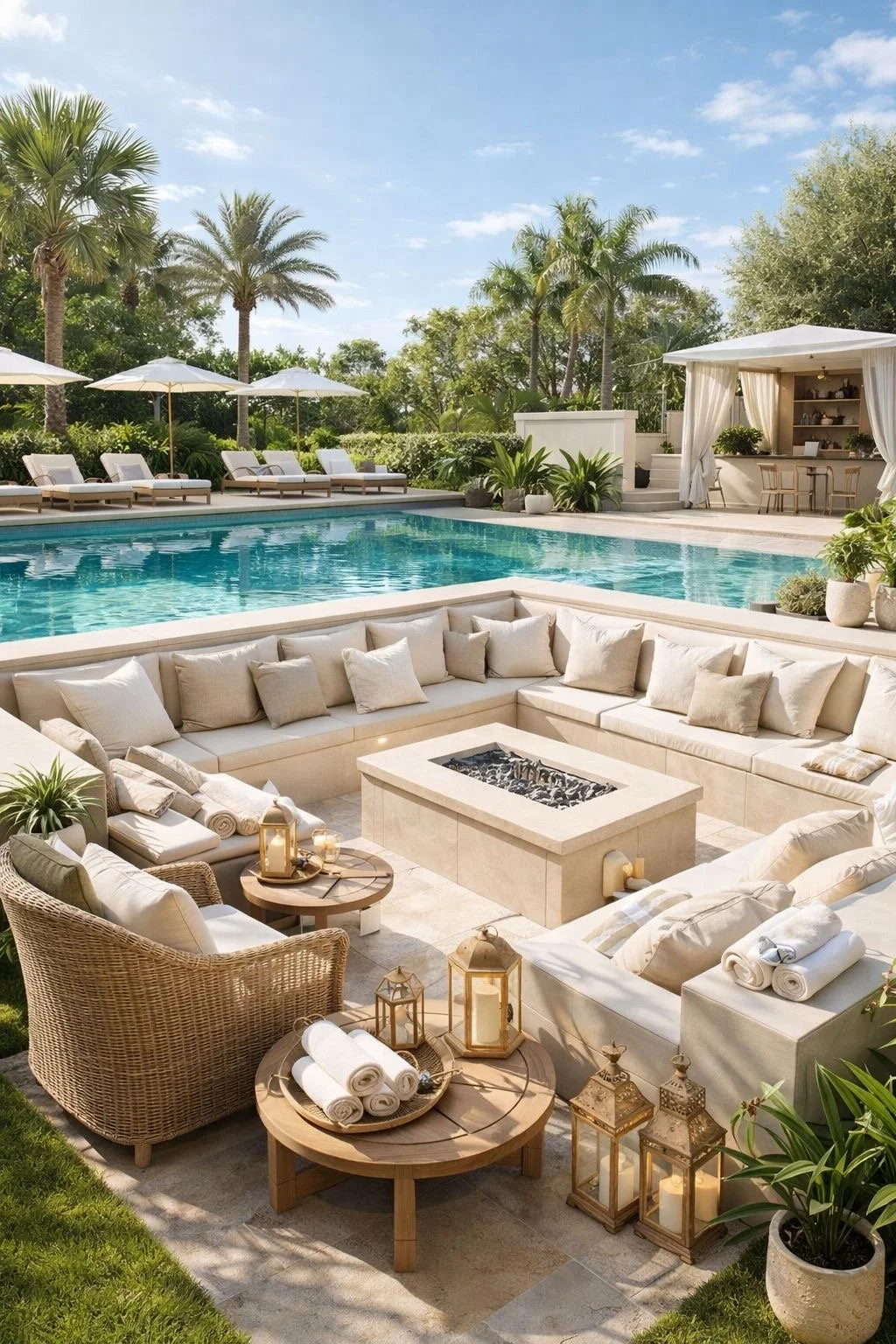
High-end home design treats exterior space like a series of intentional "rooms."
Think in zones:
Covered lounge with fireplace
Al fresco dining pavilion
Poolside sun terrace
Garden courtyard for quiet retreat
Each should have:
Defined edges (walls, planters, elevation changes)
Purpose-driven lighting
Integrated seating or millwork
Clear circulation paths
If your patio currently feels exposed or undefined, that's not a furniture problem — it's a spatial planning issue.
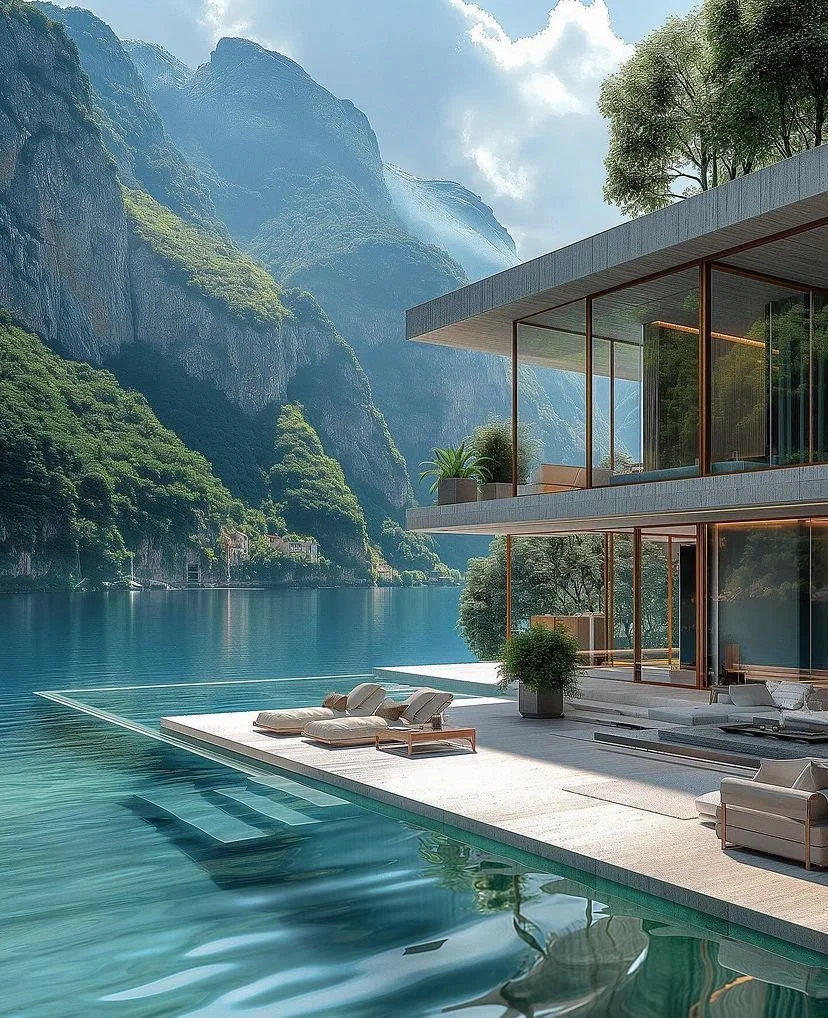
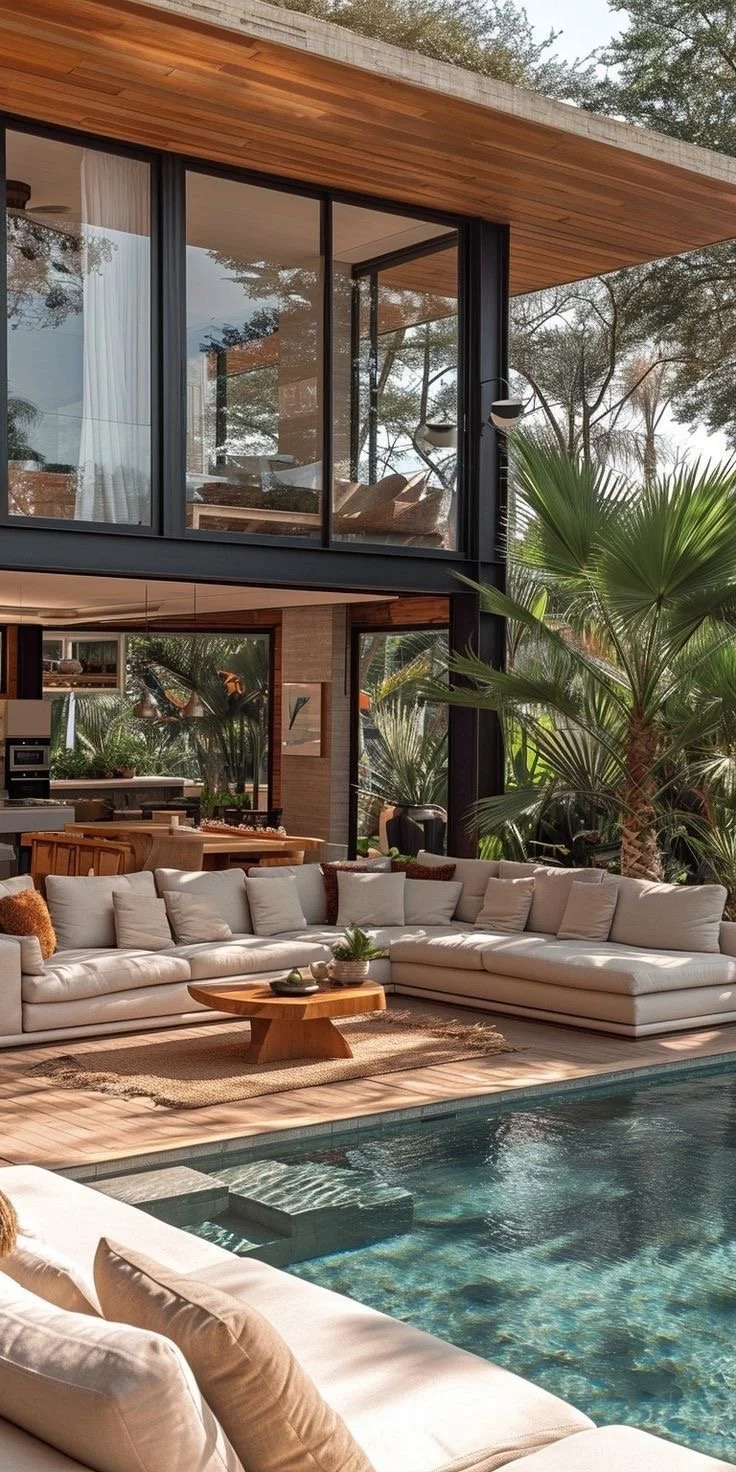
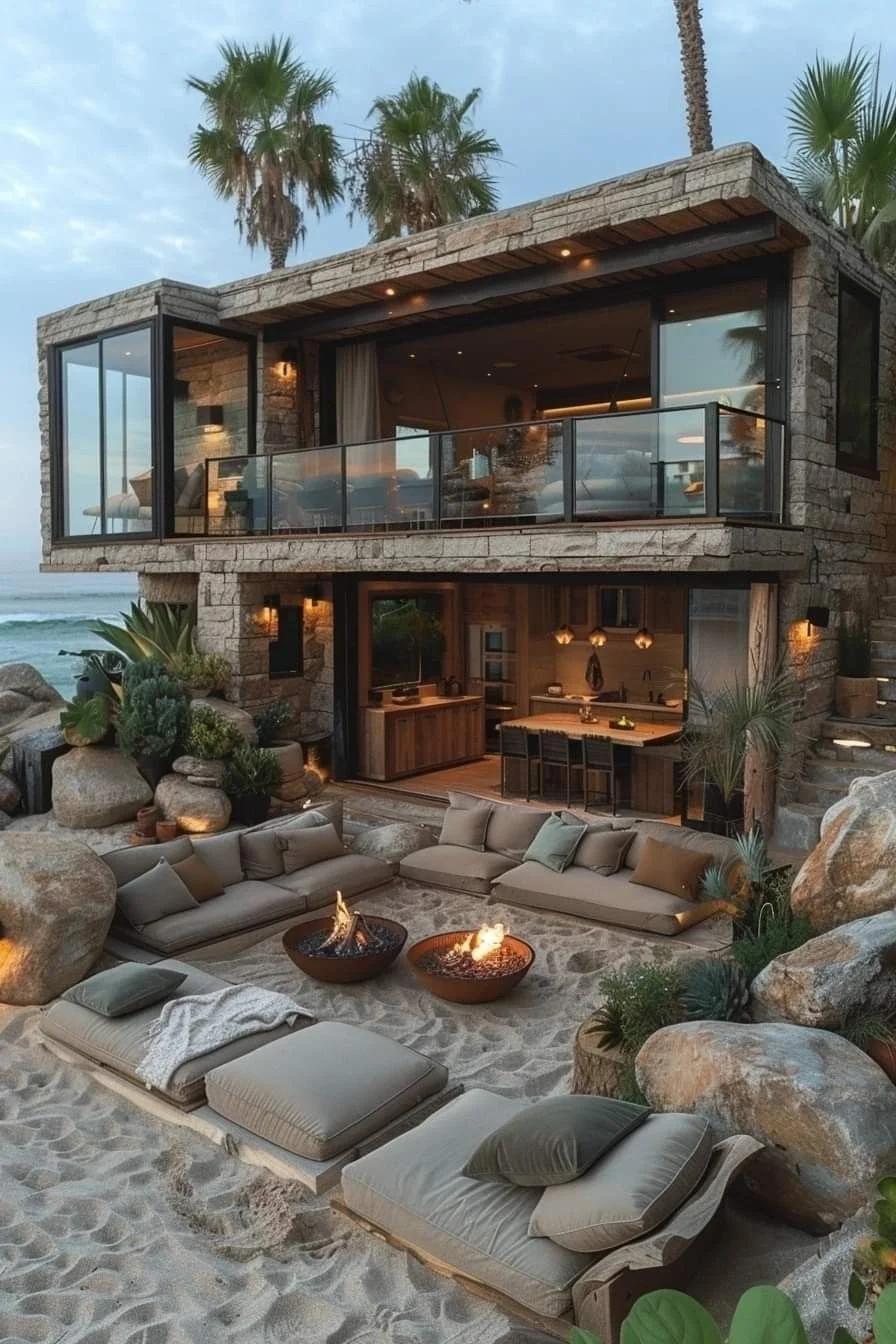
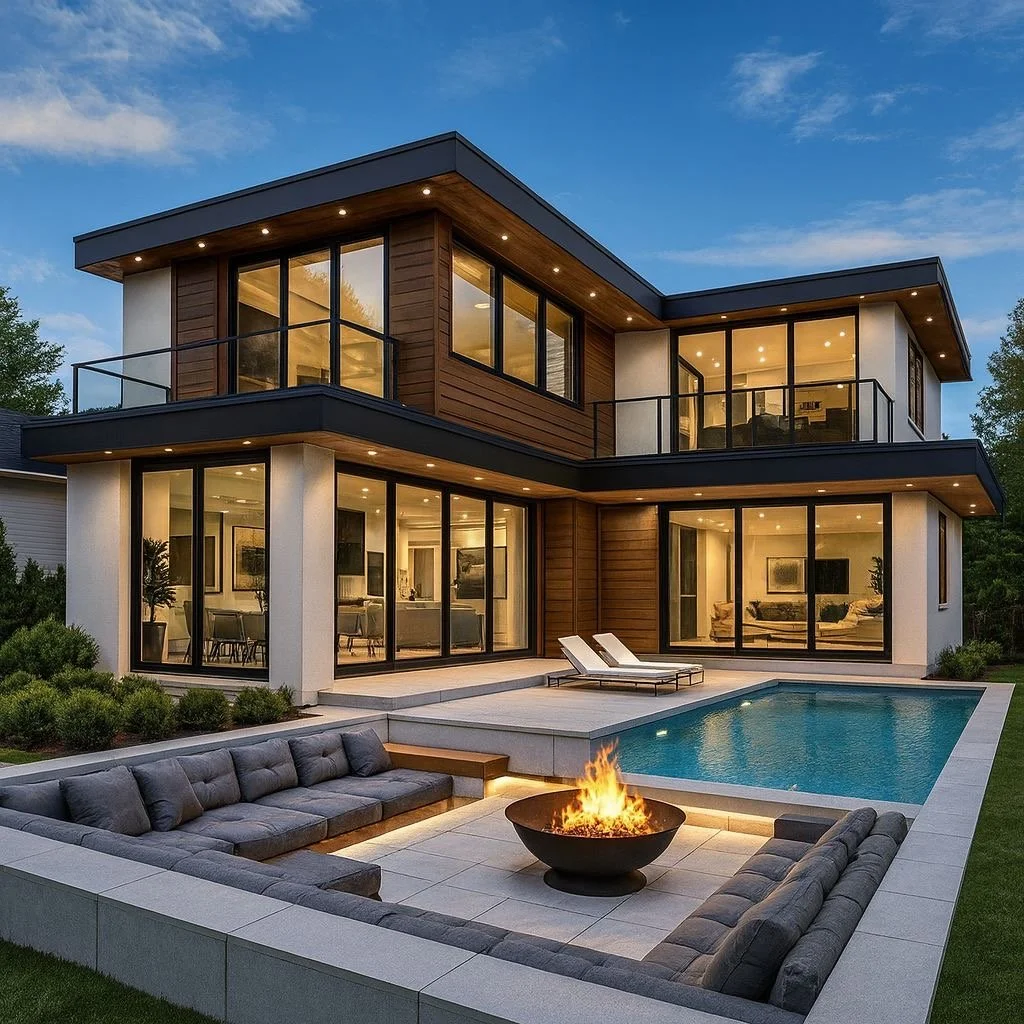
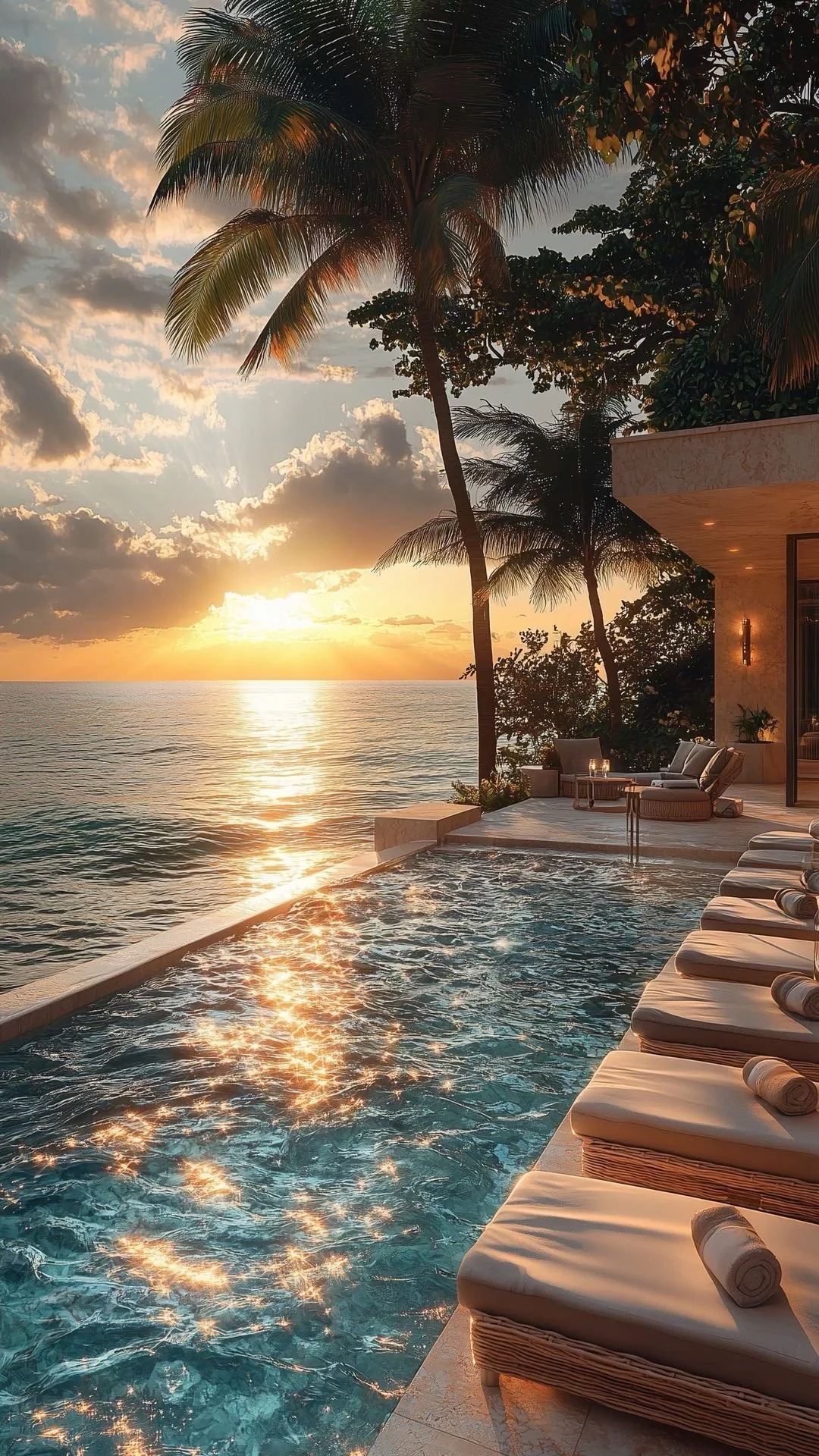
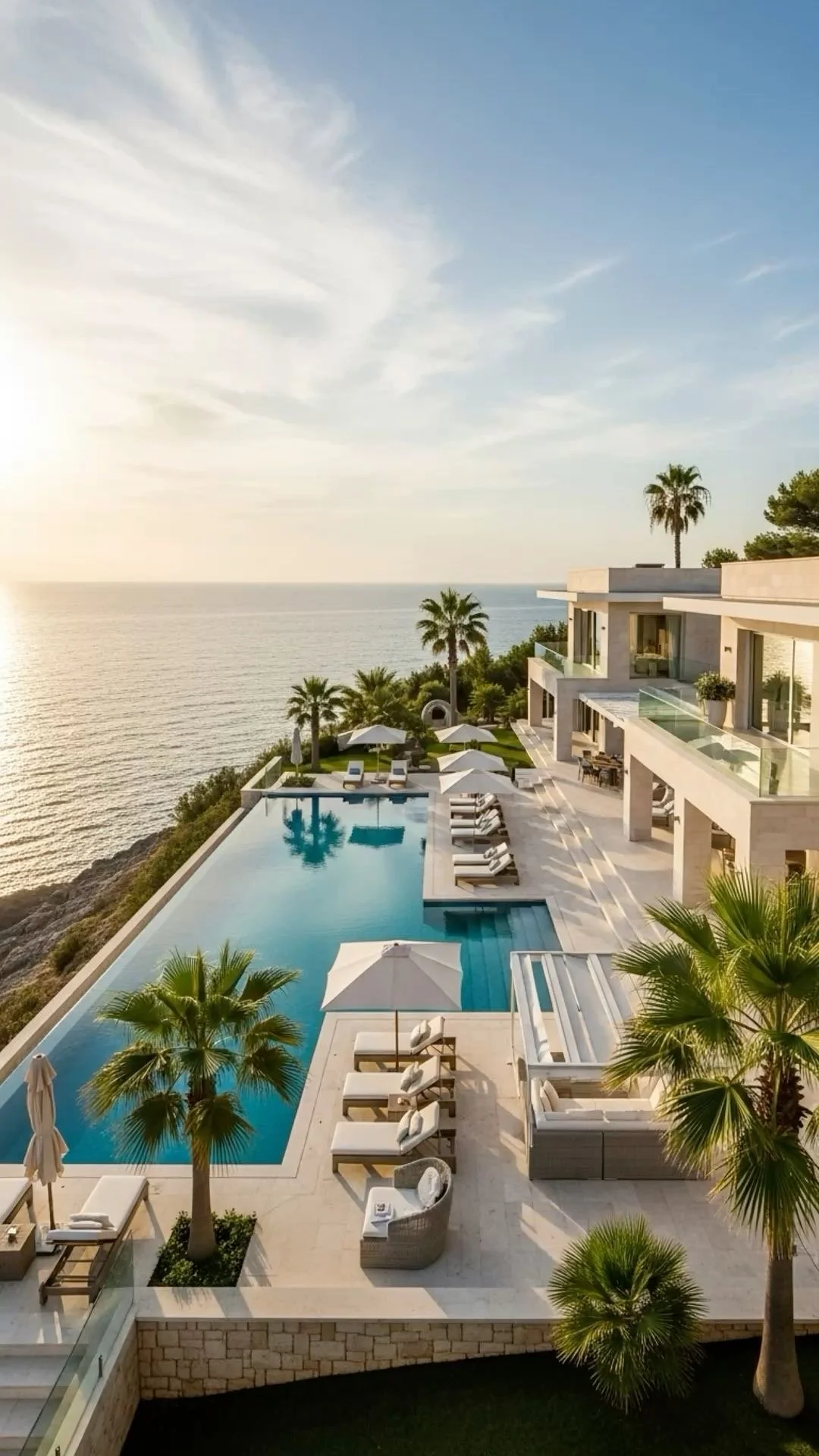
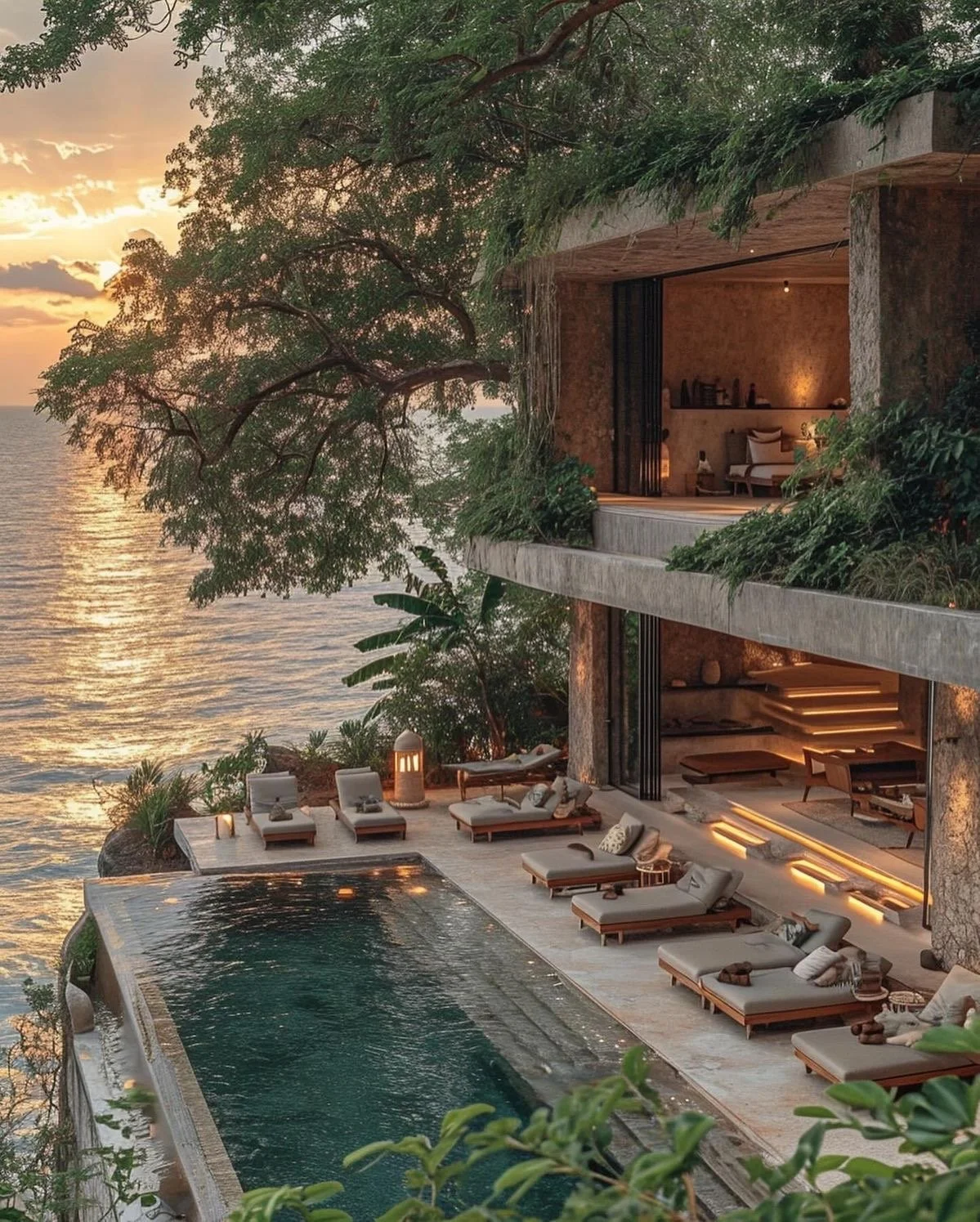
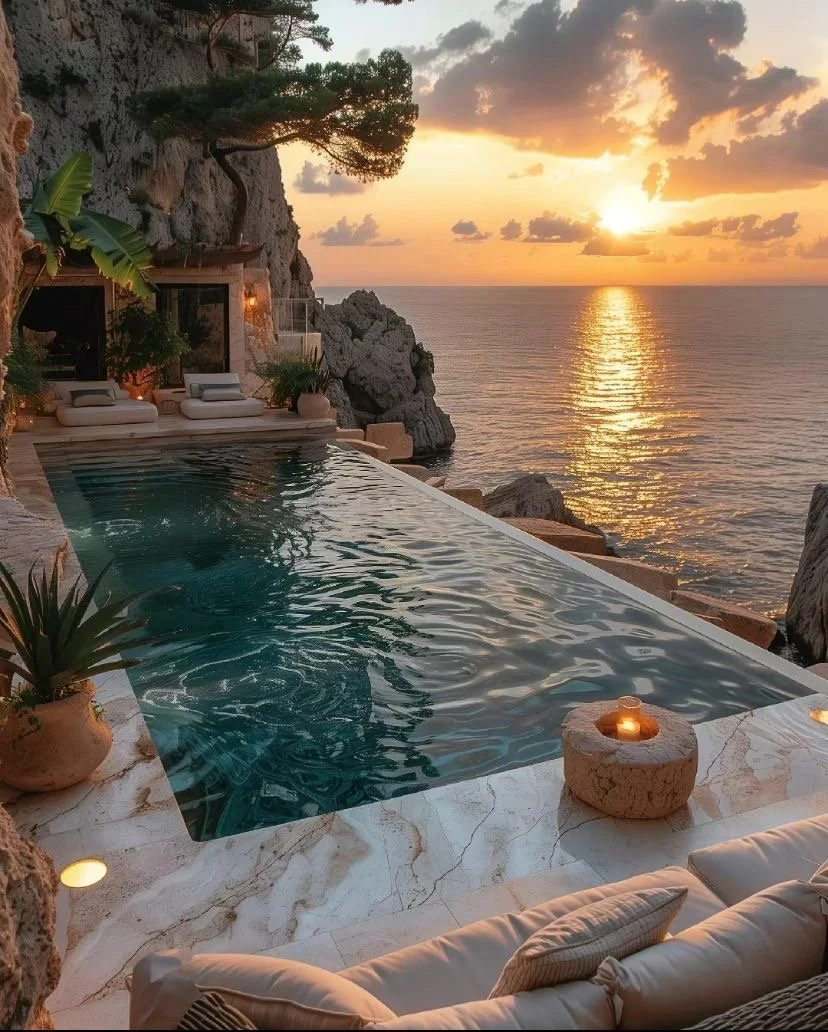
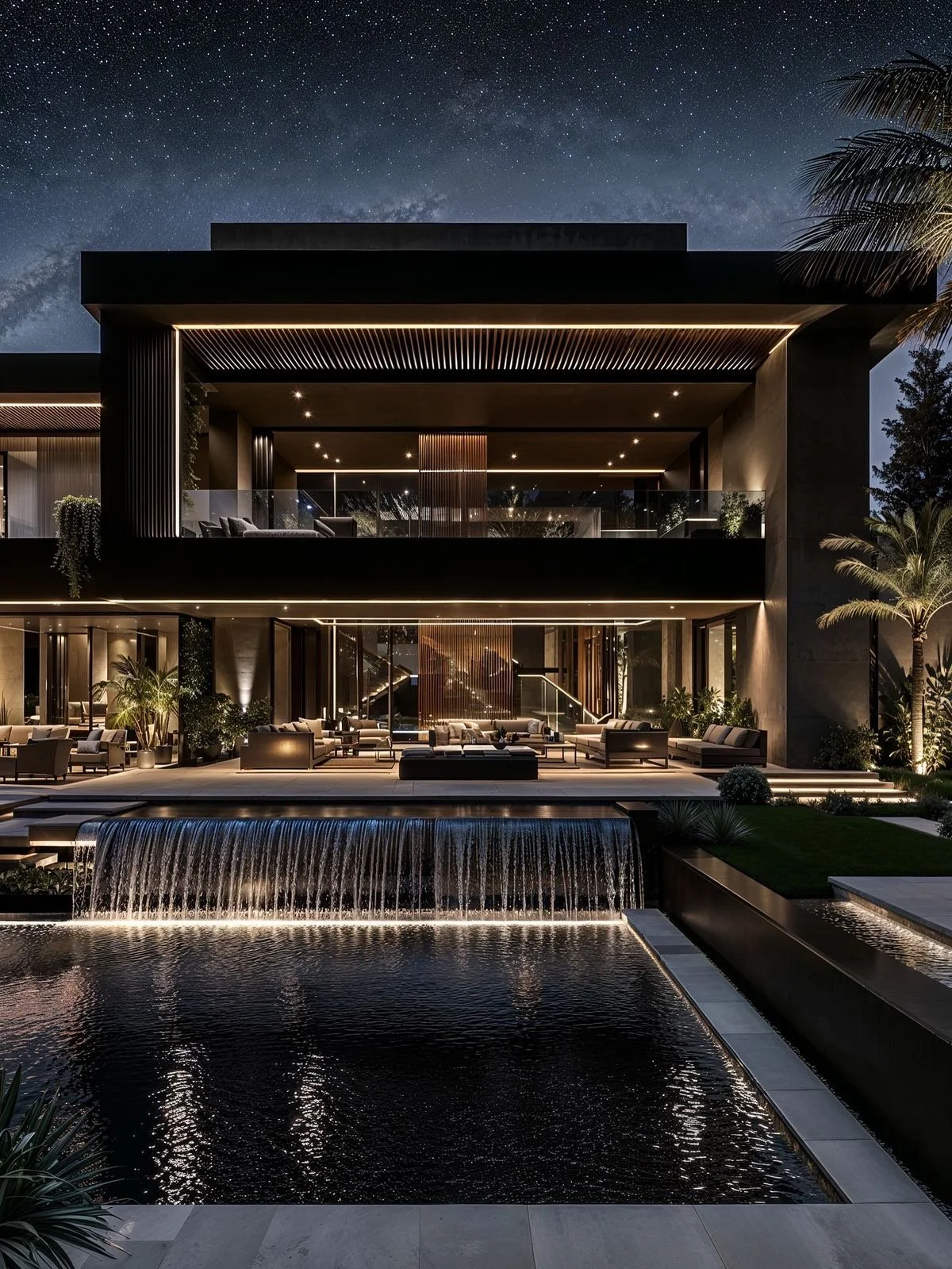
3. Elevate the Pool From Feature to Focal Experience
A luxury pool is not a rectangle of water.
It's an experiential composition.
Consider:
Geometry
Does the pool reinforce your architecture's lines? A modern home demands precision. A Mediterranean-inspired estate may invite curvature.
Water as Sound
Sheer descents. Scuppers. Reflecting edges.
The auditory layer transforms ambiance from suburban to resort-level.
Night Presence
Underwater lighting temperature matters.
Too blue feels commercial. Too white feels harsh.
Warm, calibrated illumination feels sophisticated.
Strategic advice: Spend money on structural design and lighting before adding oversized water features. Timeless restraint outperforms trend-driven spectacle.
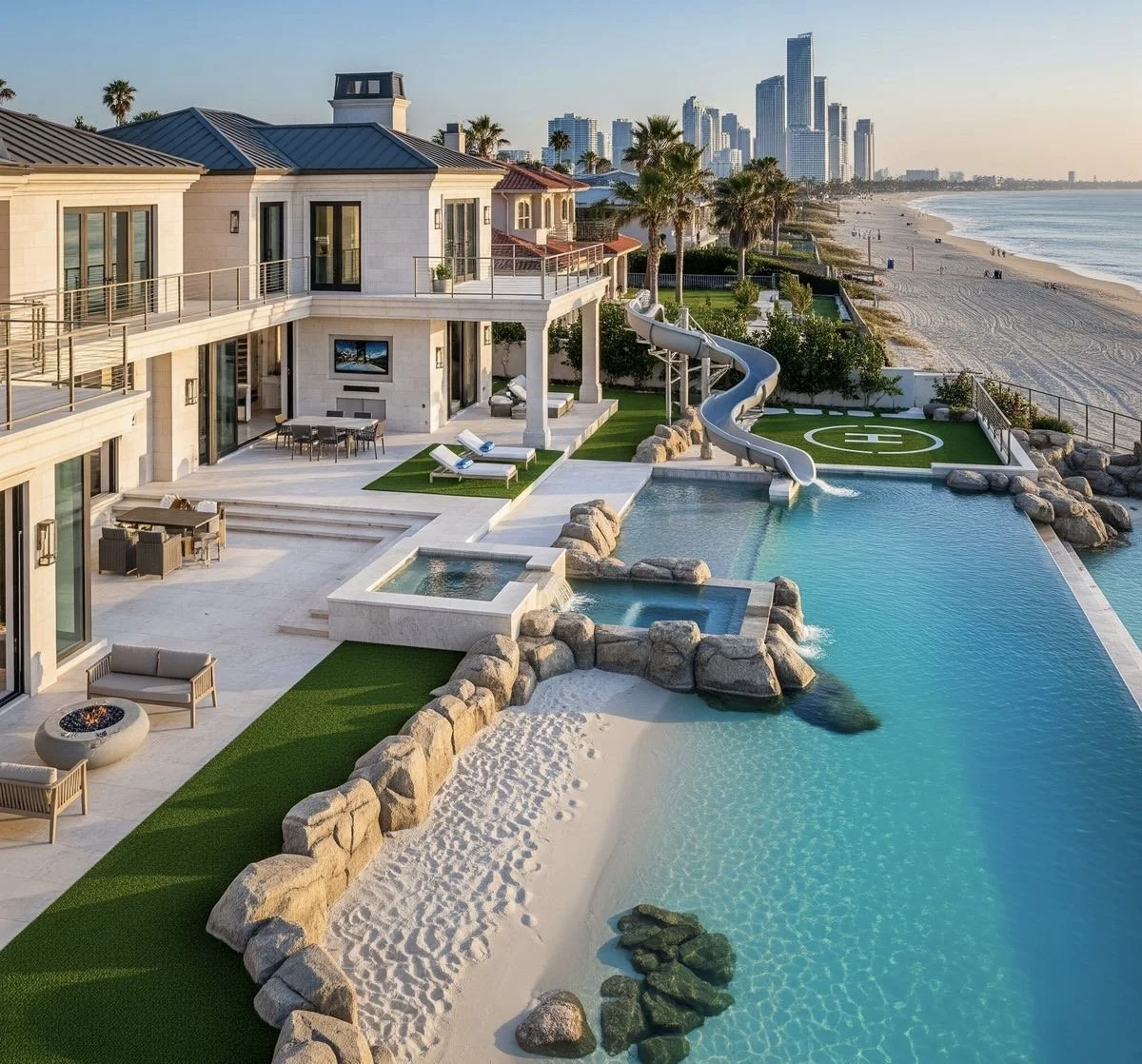
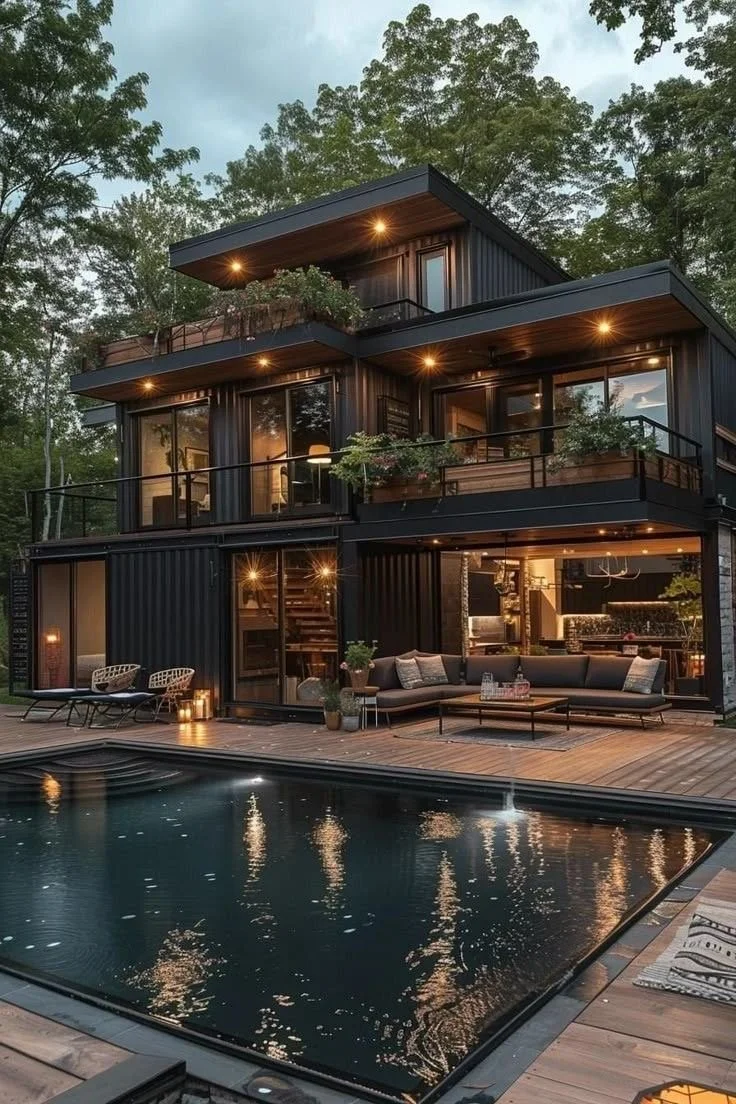
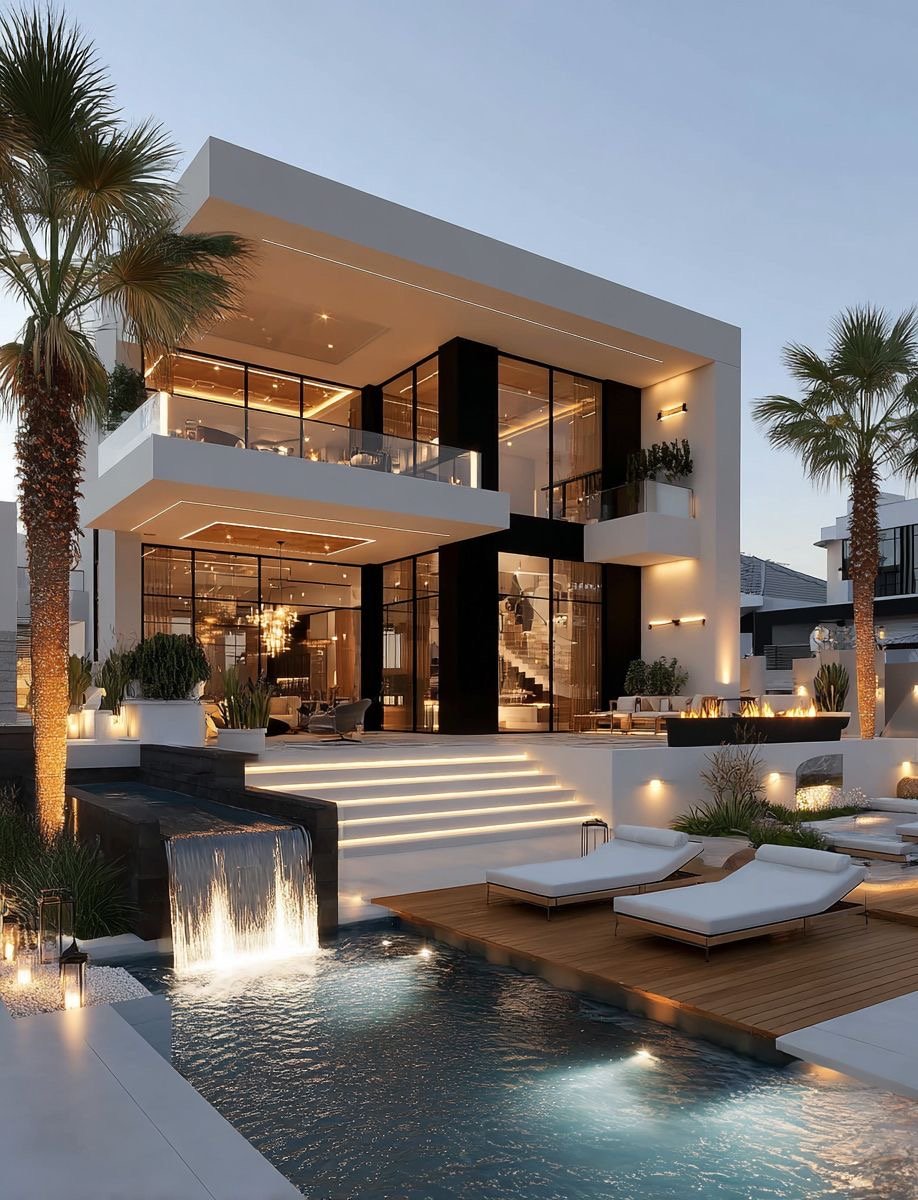
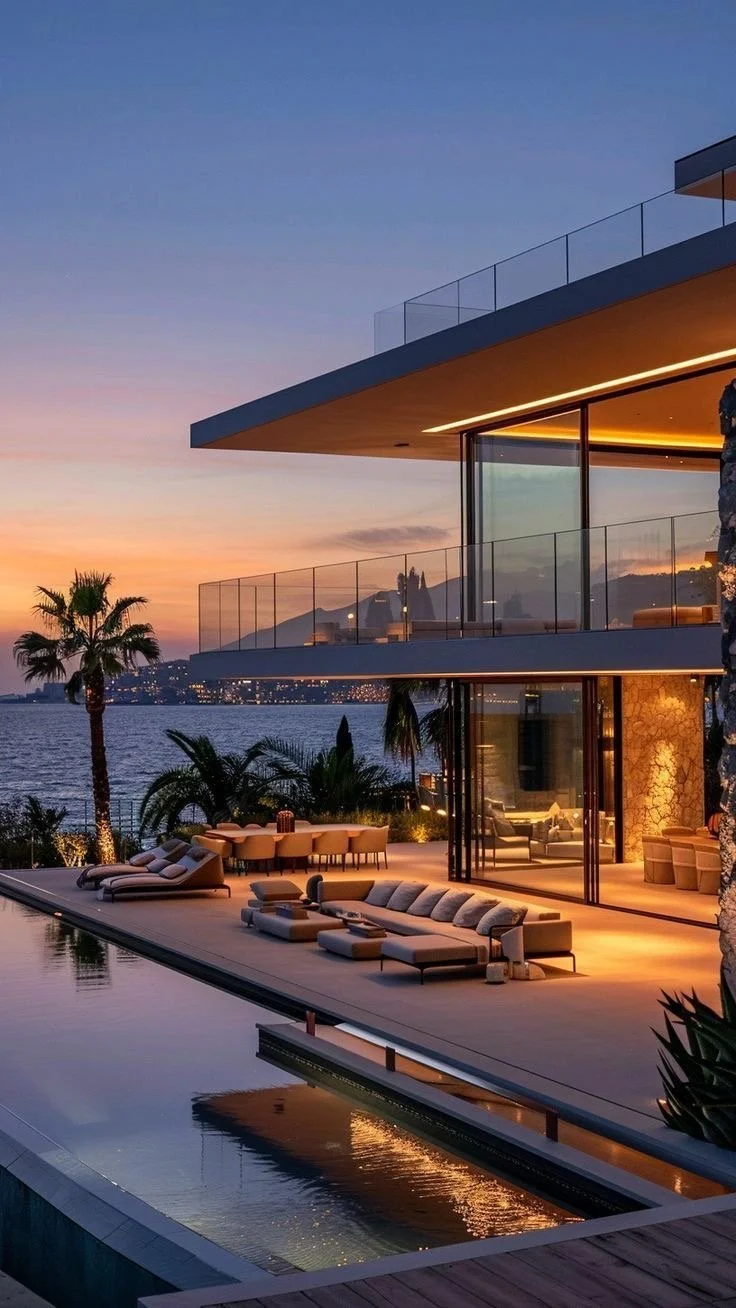
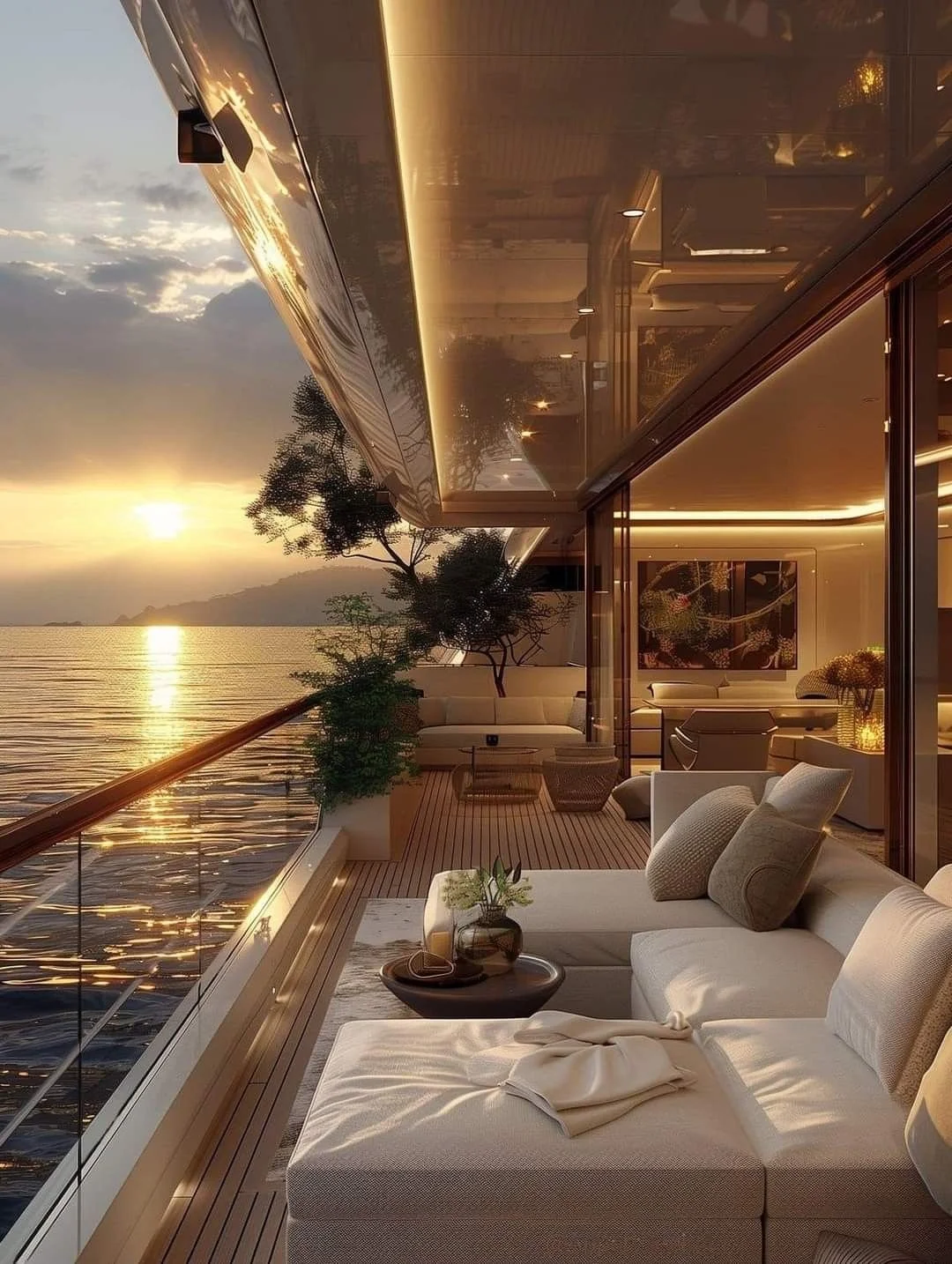
4. Shade Is Luxury
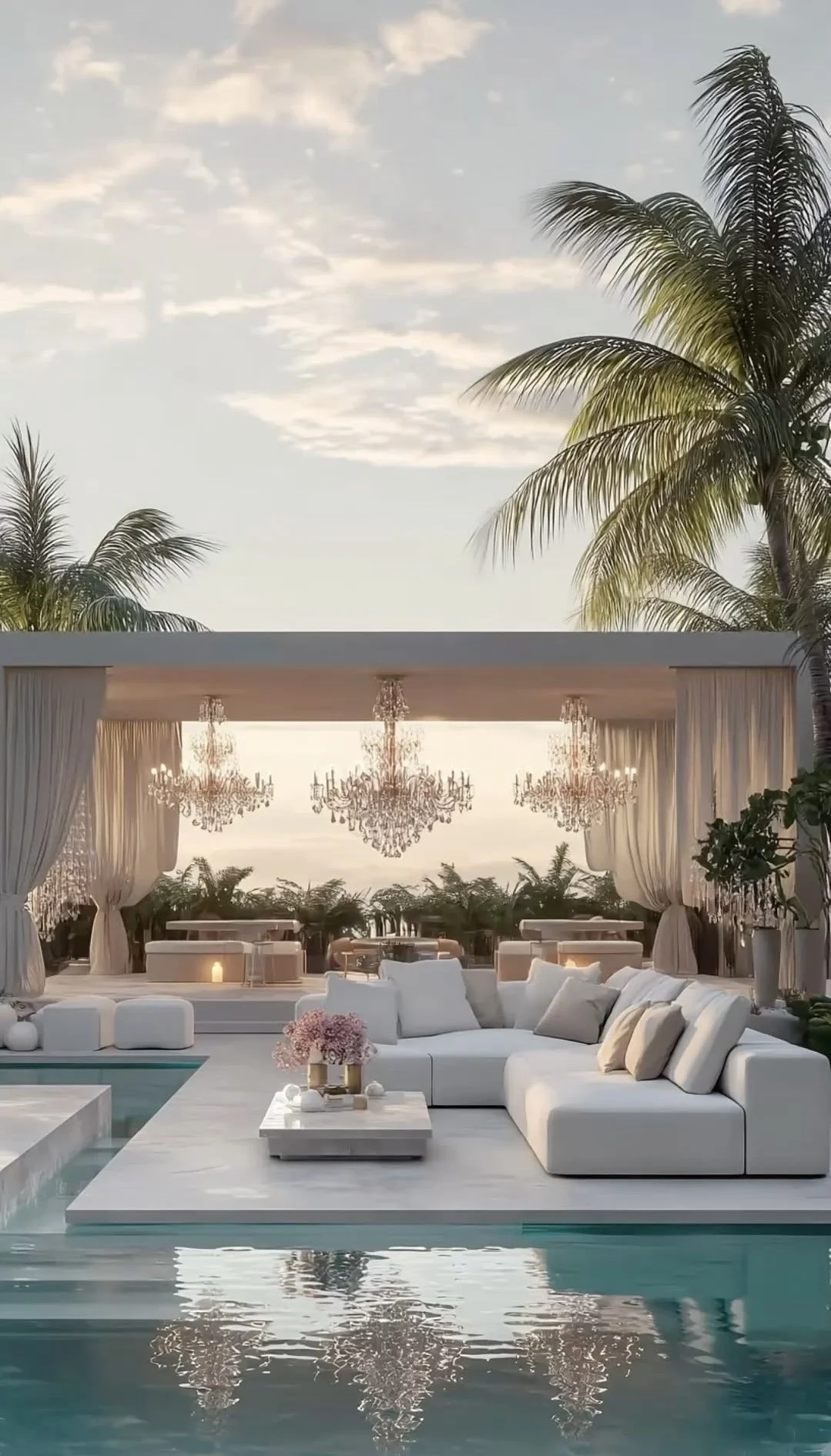
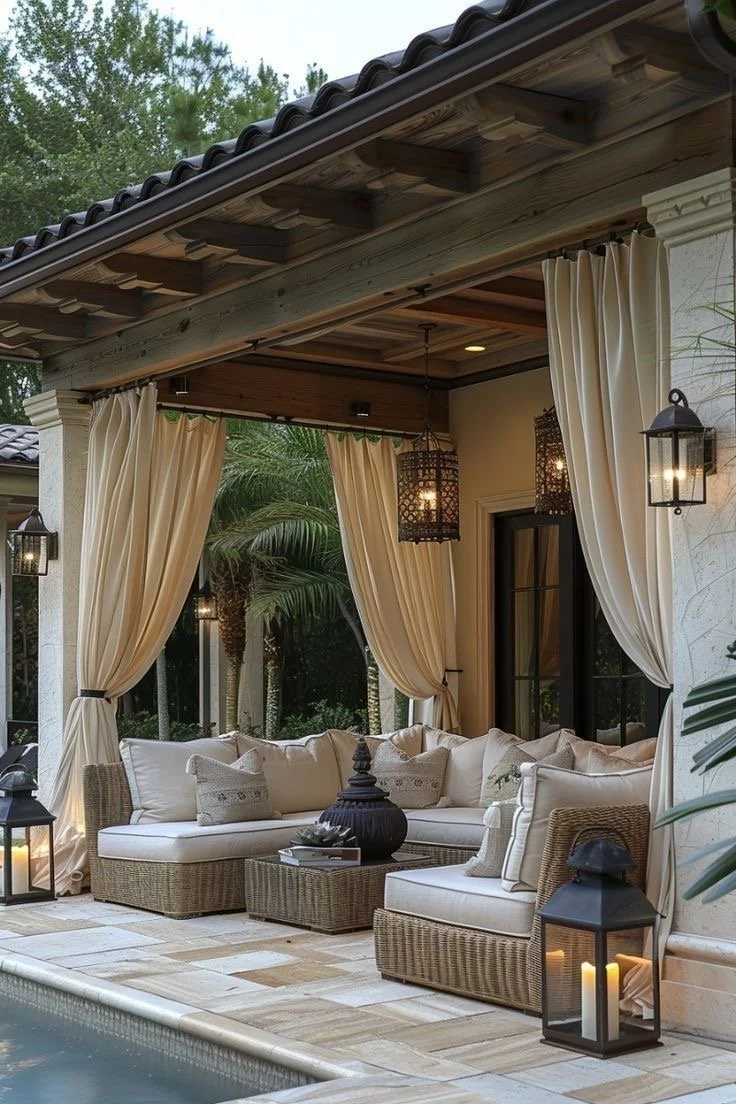
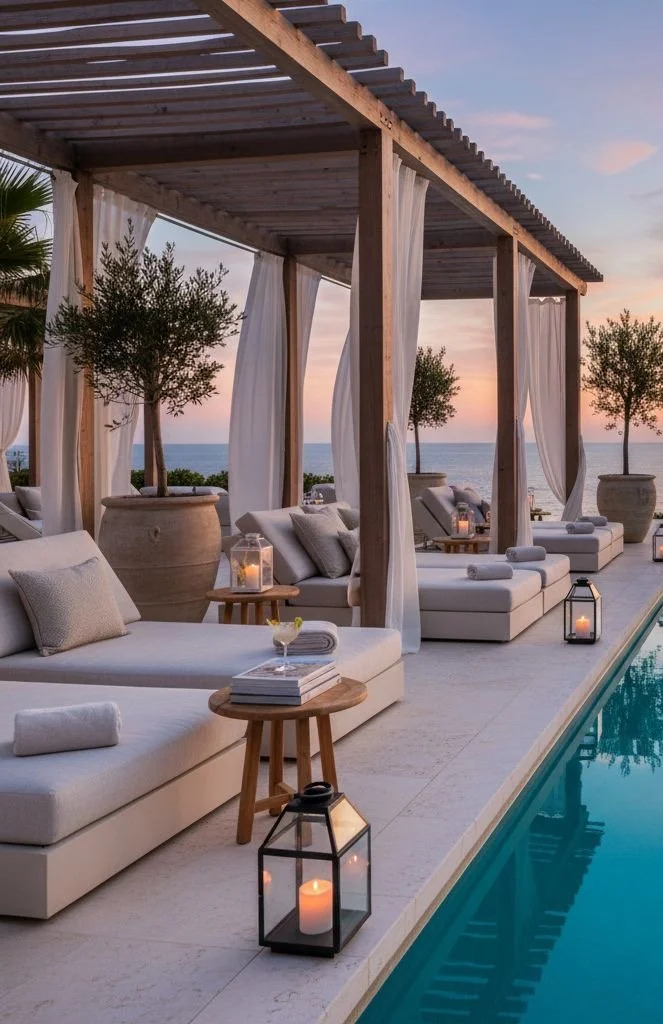
Full sun exposure is not luxury. Comfort is.
Smart outdoor living incorporates:
Deep covered terraces
Motorized screens
Retractable canopies
Mature tree planning
In climates like Scottsdale or Palm Beach or Hotlanta, shade is not optional - it's foundational.
If you can't comfortably use the space at 2 p.m., the design has failed.
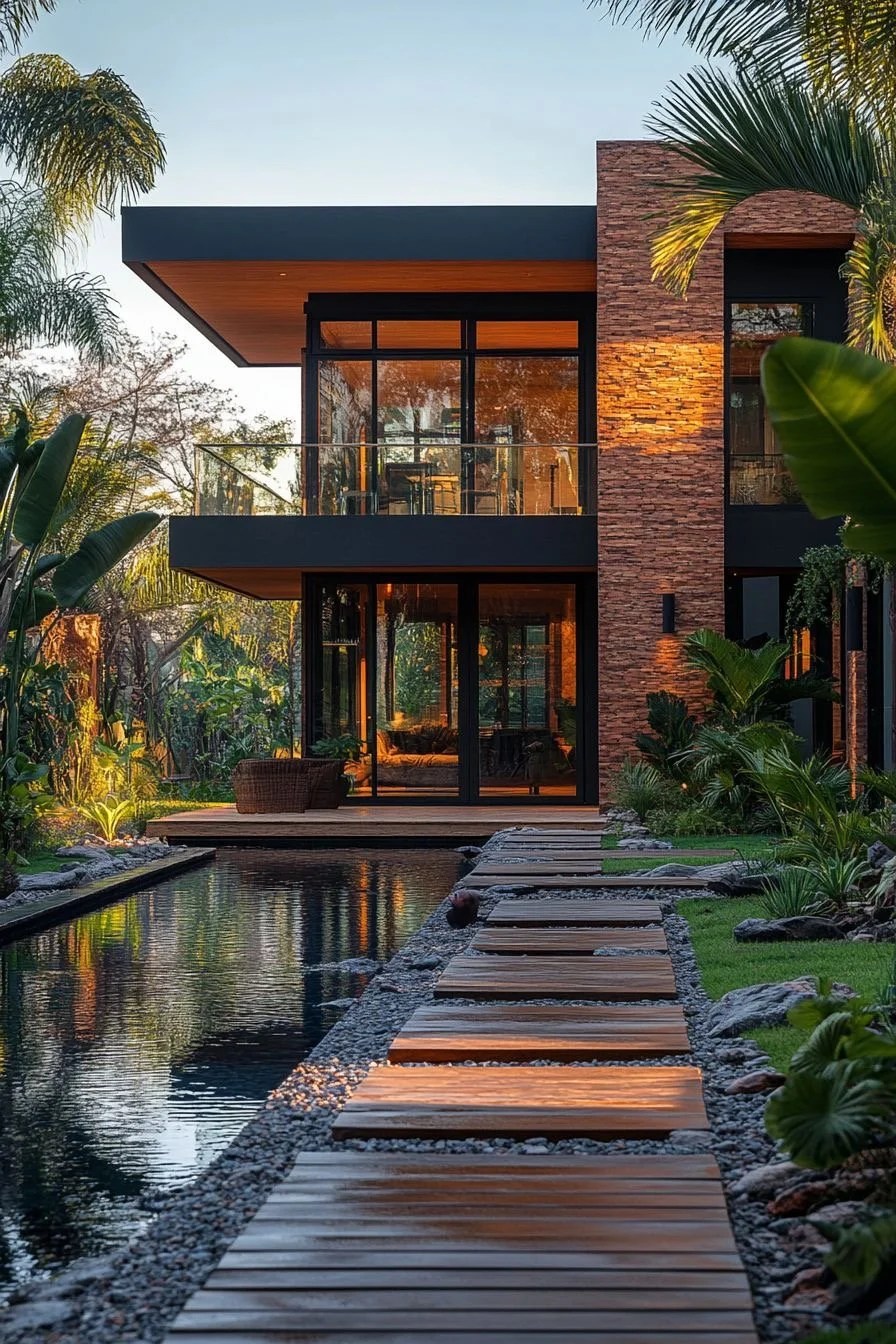
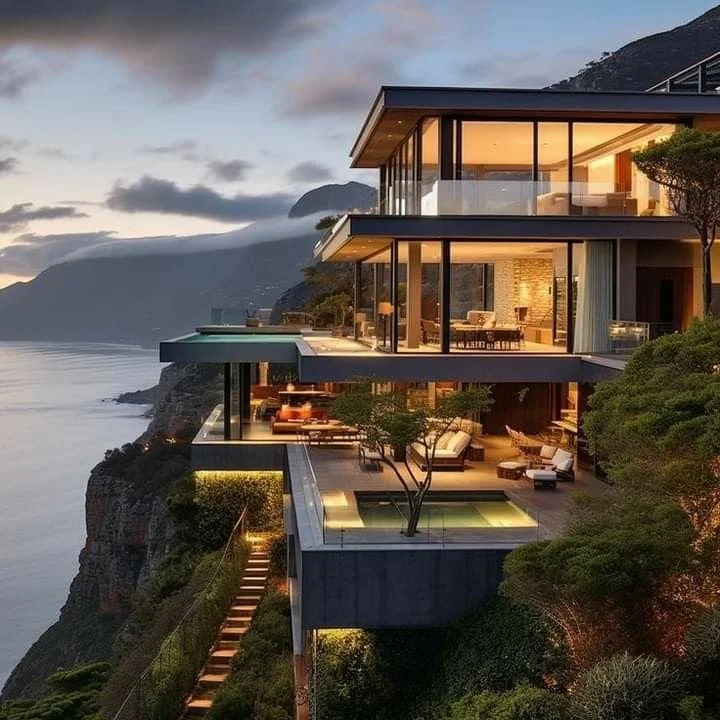
5. Materials Matter More Than You Think
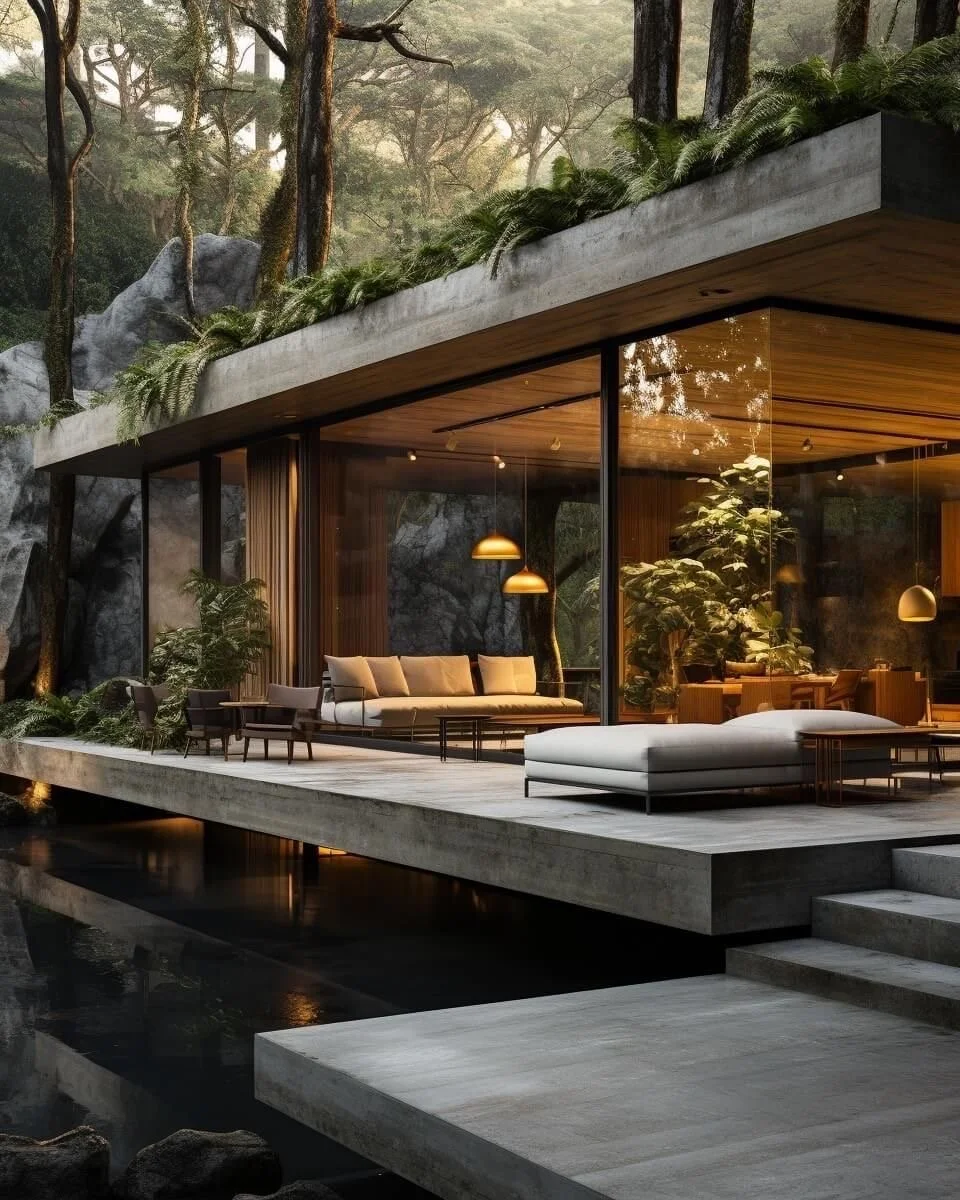
Luxury is felt through texture + permanence.
For elevated patios and terraces, consider:
Honed limestone
Textured porcelain slabs
Thermally modified wood
Architectural concrete
Natural stone with subtle variation
Avoid:
Shiny finishes
Overly patterned pavers
Thin veneers that read as decorative rather than structural
Your materials should age gracefully. If they look better in five years, you chose well.
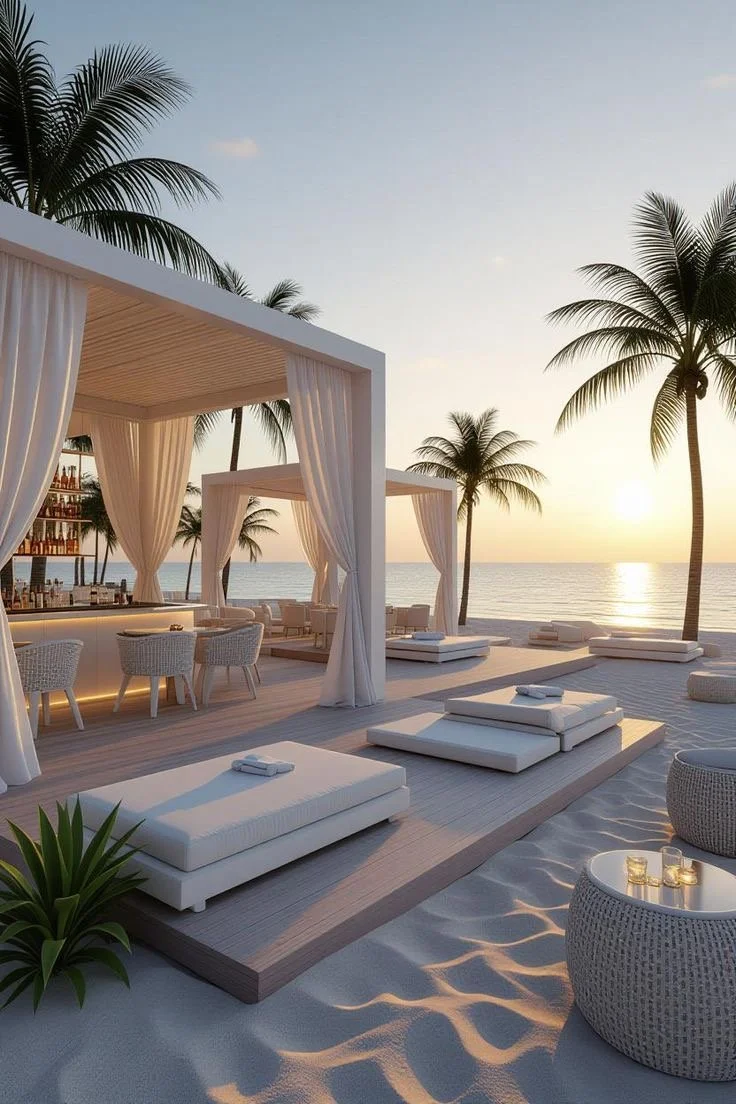
6. Integrate Technology — Quietly
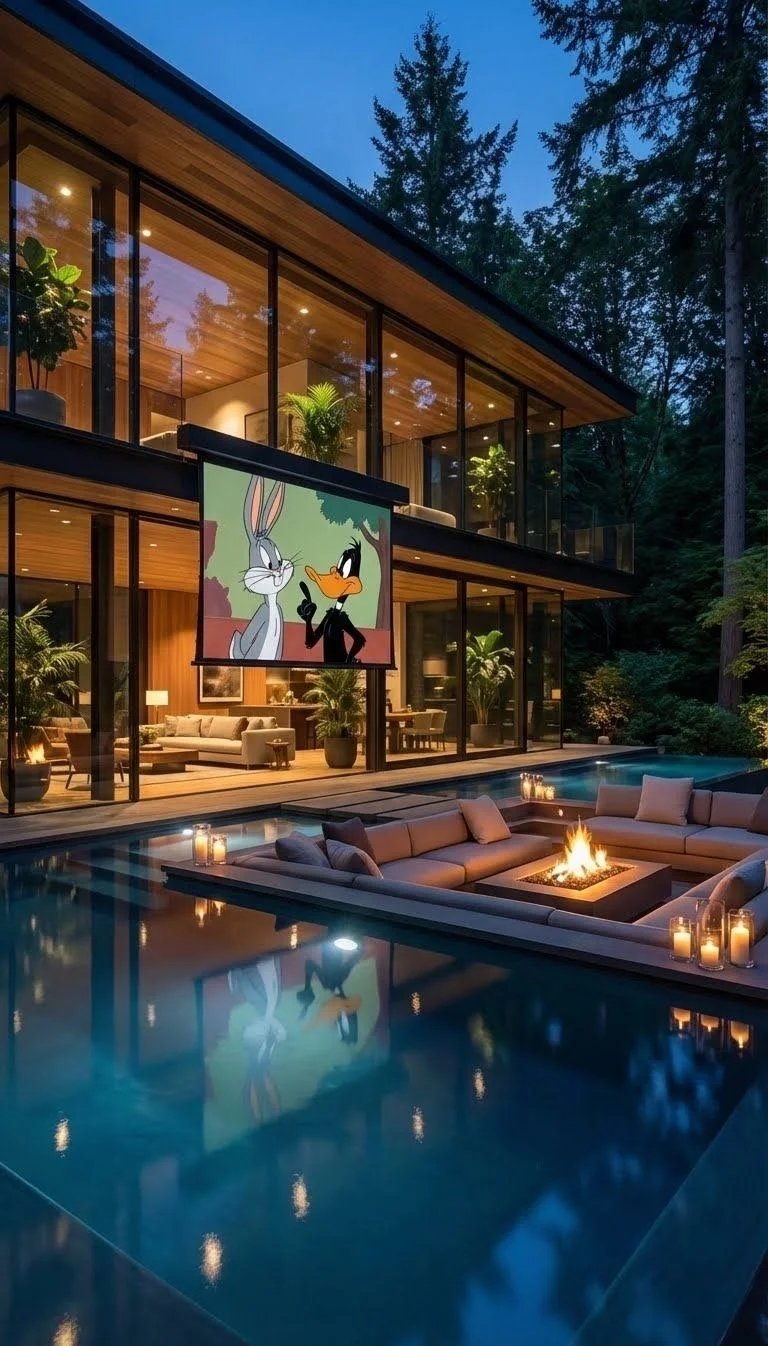
True high-end outdoor living hides its intelligence.
Think:
Discreet landscape lighting
Integrated audio
Automated pool systems
Outdoor heating
Seamless indoor-outdoor AV control
Nothing should feel "tacked on."
Technology should support the experience — not announce itself.
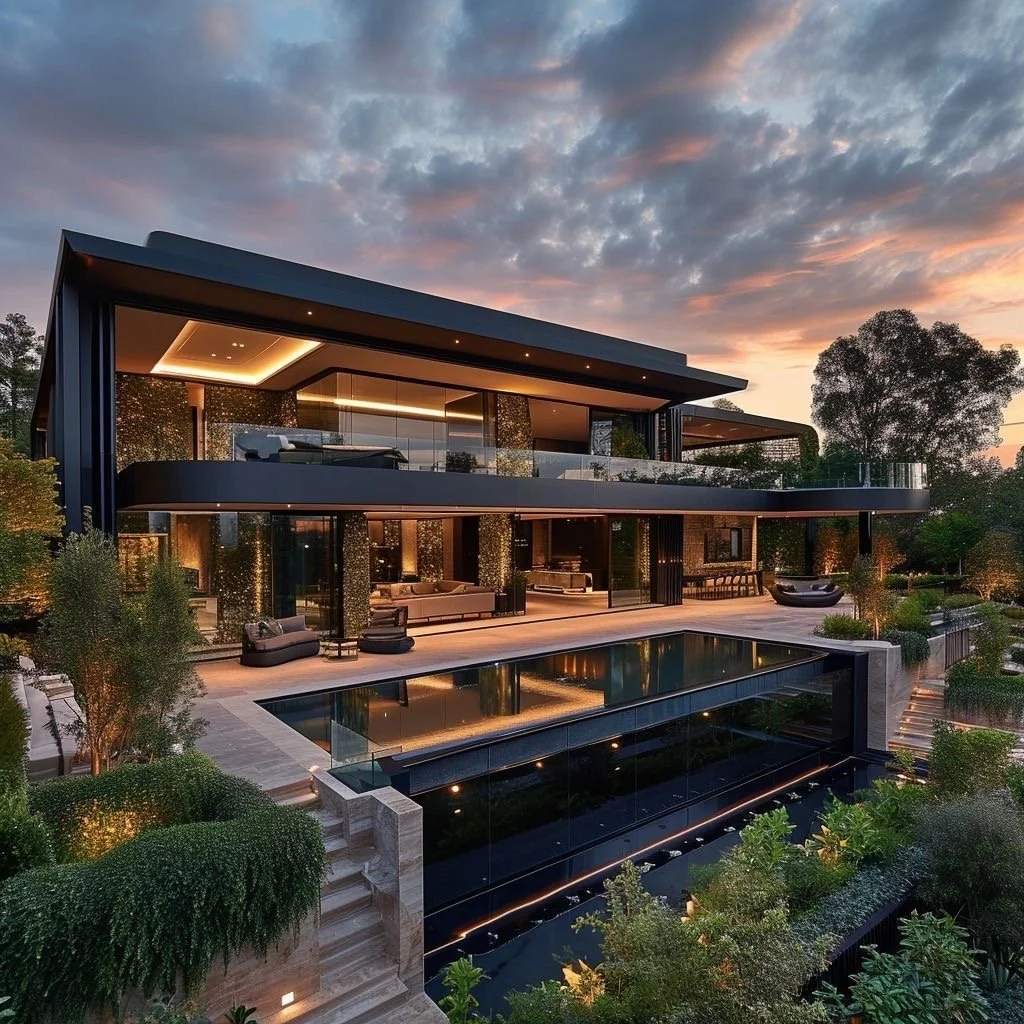
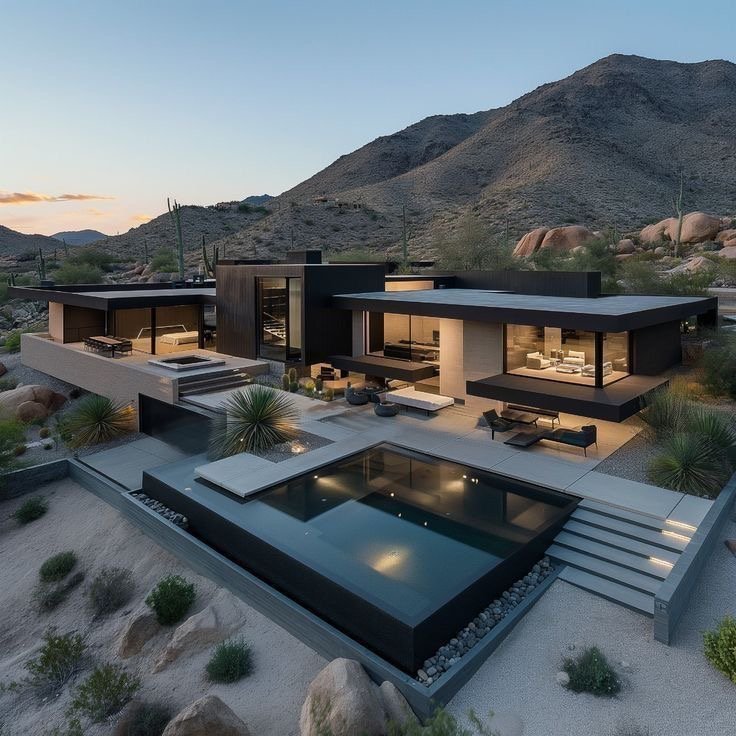
“I couldn’t agree more with Nōka Studio…”
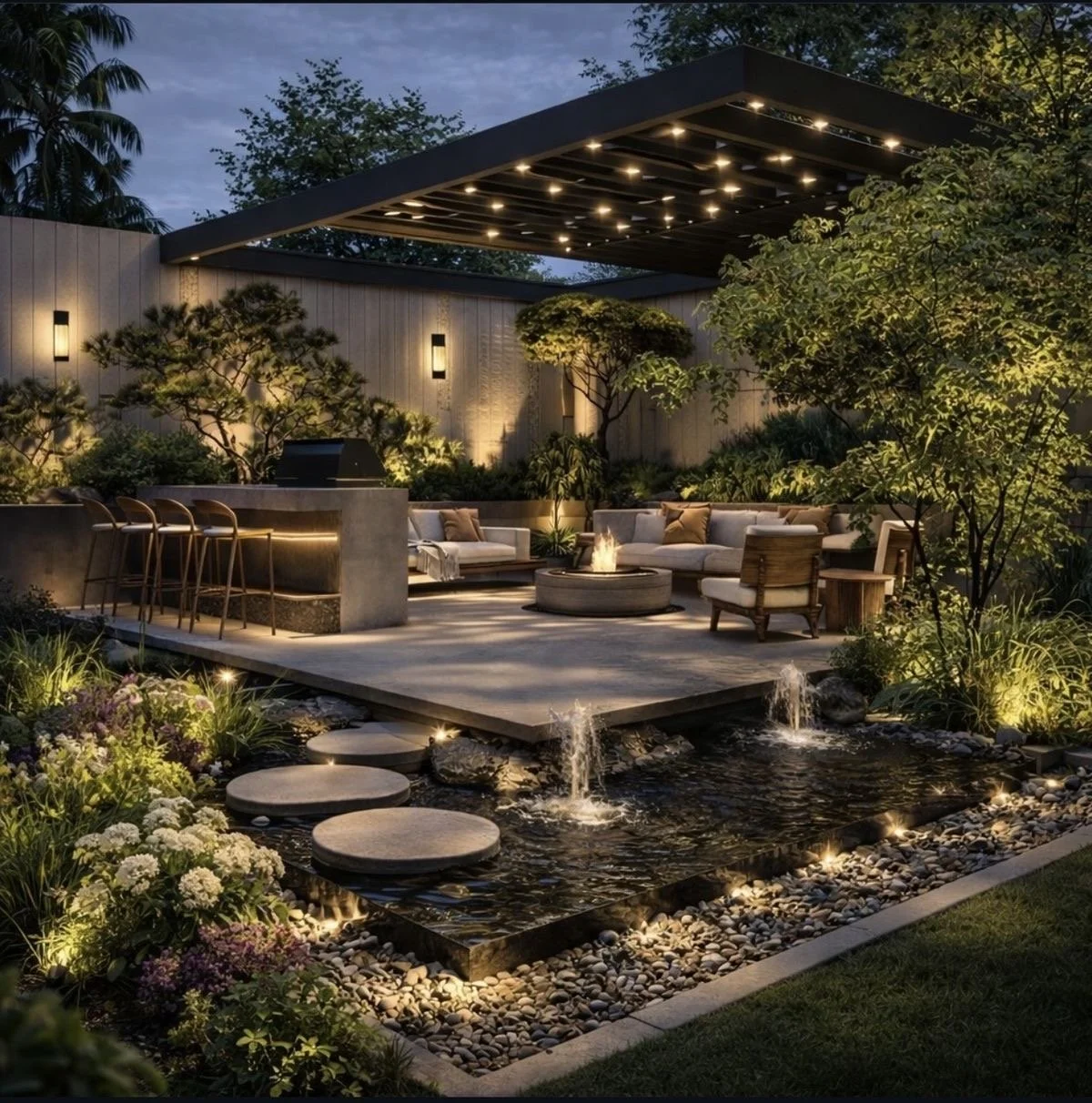
7. Landscaping Is Architecture's Partner
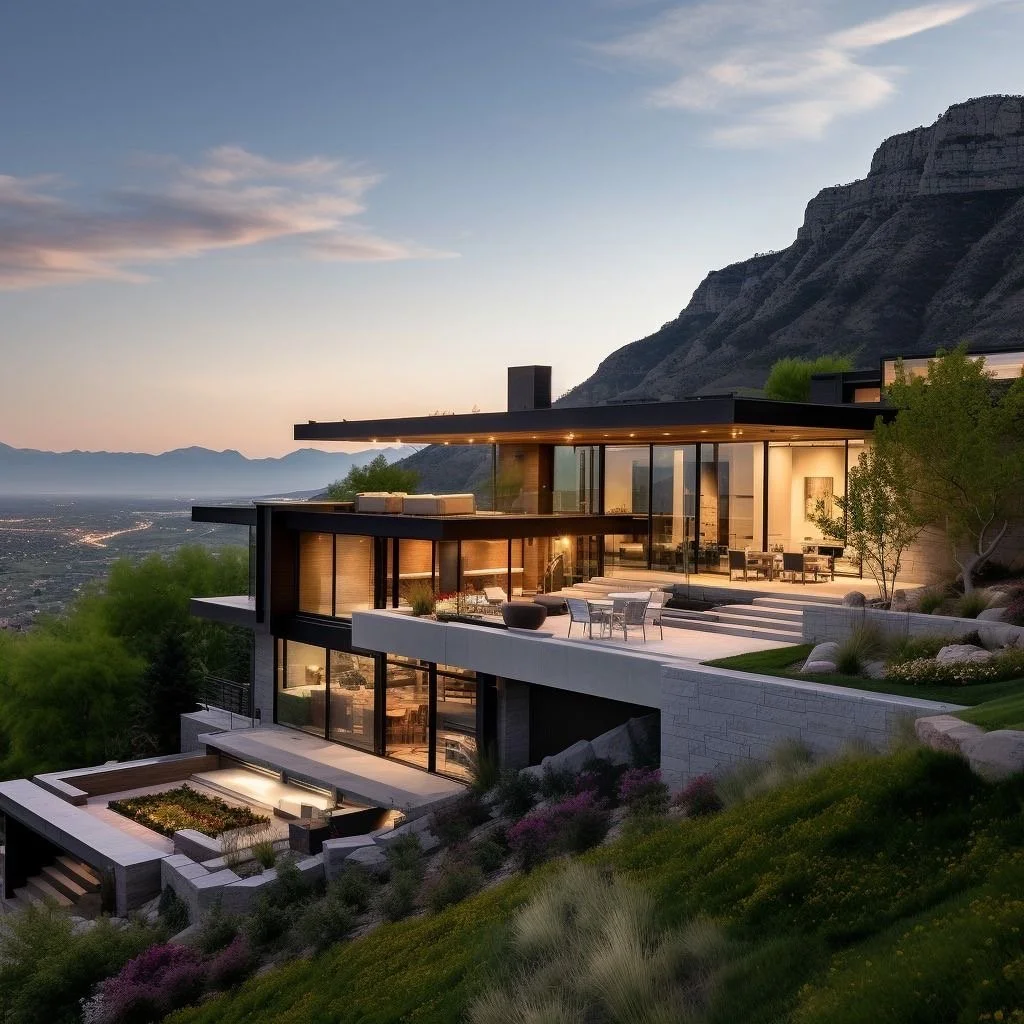
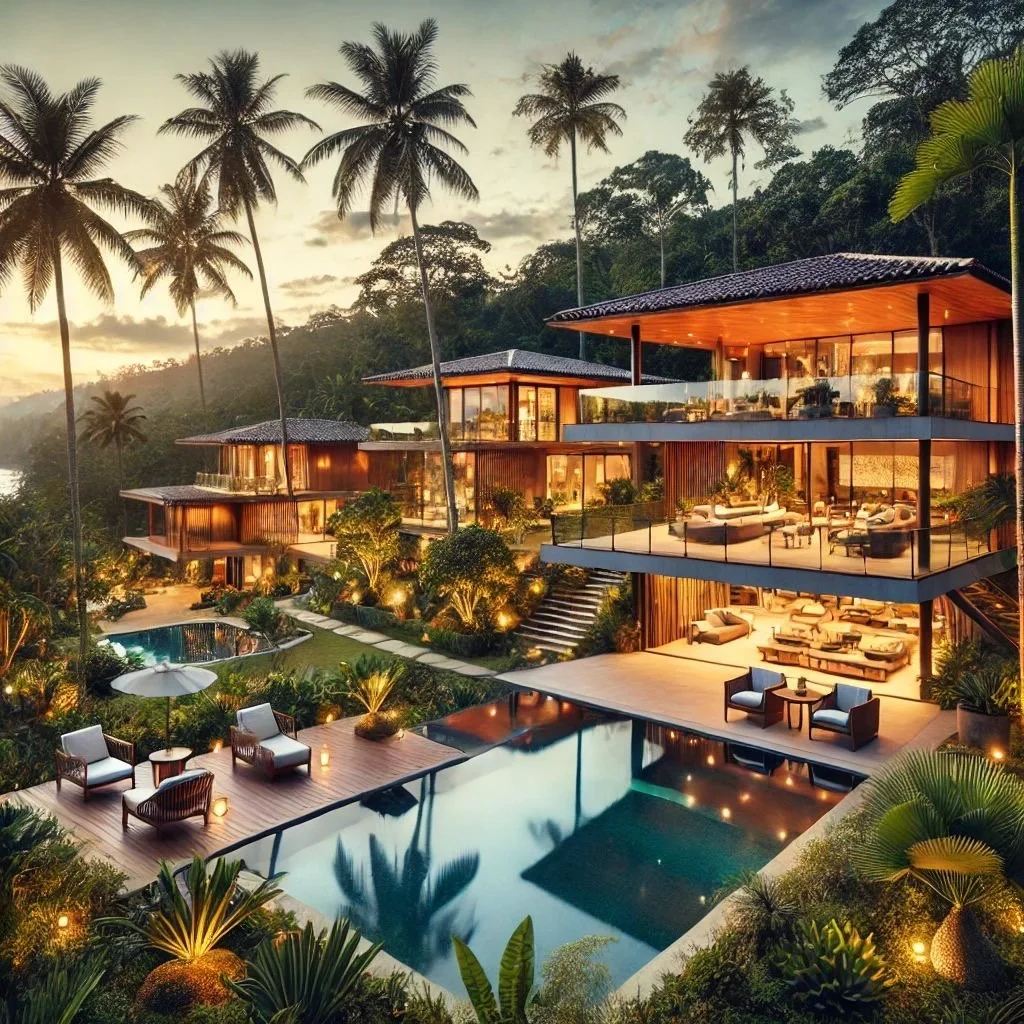
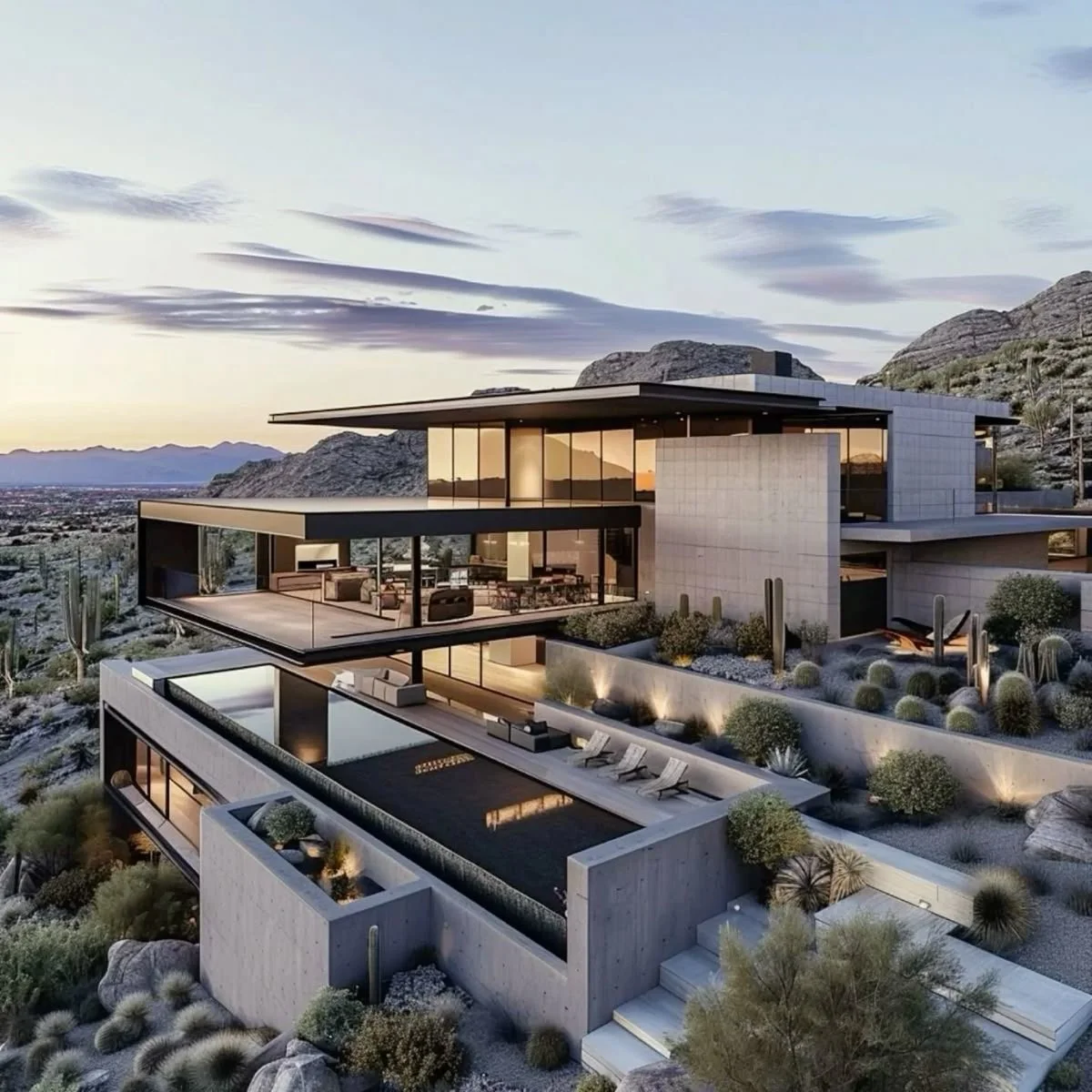
Planting design is not decoration. It's spatial architecture.
Use landscape to:
Frame sightlines
Create privacy
Soften structural edges
Direct movement
In some estates, the landscape carries as much emotional weight as the built form. The most refined properties blur that distinction entirely.
A Practical Self-Assessment for Discerning Homeowners
If you're evaluating your current outdoor space, ask:
Does it feel cohesive with my home's architecture?
Is there true comfort at multiple times of day?
Are materials aging well?
Is lighting layered and intentional?
Does the space invite lingering — or quick exits?
If you answered "no" to more than two, there's meaningful opportunity to elevate.
Where to Invest (and Where Not To)
High-Return Investments:
Architectural shade structures
Integrated lighting plans
Thoughtful spatial zoning
Quality hardscape materials
Custom millwork and built-ins
Lower-Return Spending:
Trendy fire features
Excessive decorative tile
Oversized standalone outdoor kitchens
Statement furniture without architectural support
Your return on investment in luxury properties is rarely about flash.
It's about coherence.
The Bigger Perspective
Outdoor living is no longer a seasonal amenity — it's a lifestyle extension.
When designed well, pools, patios, + terraces:
Expand functional living space
Increase property desirability
Improve wellness + daily rituals
Strengthen entertainment capacity
Elevate resale positioning
But only when they are conceived as architecture - not accessories. That’s authentic truth speaking. #Trust
Final Thought
Discerning homeowners don't ask, "How do we make the backyard nicer?"
They ask:
"How do we make our outdoor living equal to the interior in beauty, performance, + permanence?"
That shift in mindset changes everything.
If you're planning to invest in your property, wholeheartedly approach your outdoor spaces with the same discipline you would a kitchen renovation or primary suite addition.
Because when done properly, the art of outdoor living doesn't just add value.
It reshapes how you experience home. #Yessss

Love this @bycarelle…I’m purposely driven this time, which feels so genuine + grounding + aligned. Trusting God to guide me through every project, leading with love, kindness, skill, + strategy with a serving spirit. #Yessss
So grateful for you guys continuing to rock with me. I do not take that for granted. I’m blessed in many ways, however, always grateful. I was wholeheartedly entertained sharing tidbits with you + if you are planning to invest in your property, do not hesitate to reach out to see if we’re aligned with one another. As always, be well + chat soon!
Until next time,
Live.Love.Design.
xo Renae
(All pics are courtesy of my Pinterest)
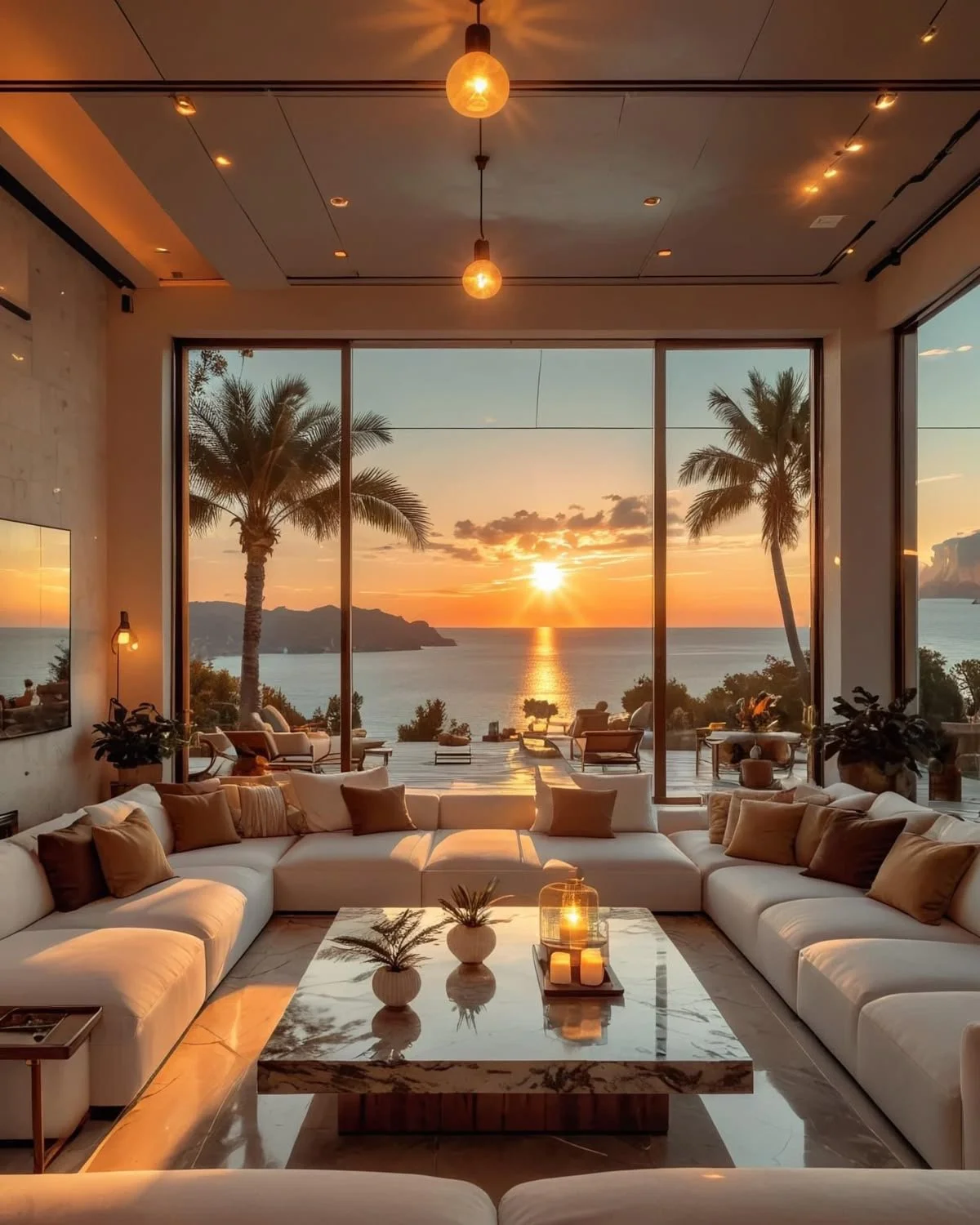
Bringing the Resort Home: how to infuse vacation luxury into everyday living….
As a luxury residential architectural designer, I've learned that what we're really responding to isn't extravagance—it's thoughtful design that supports how we want to live.
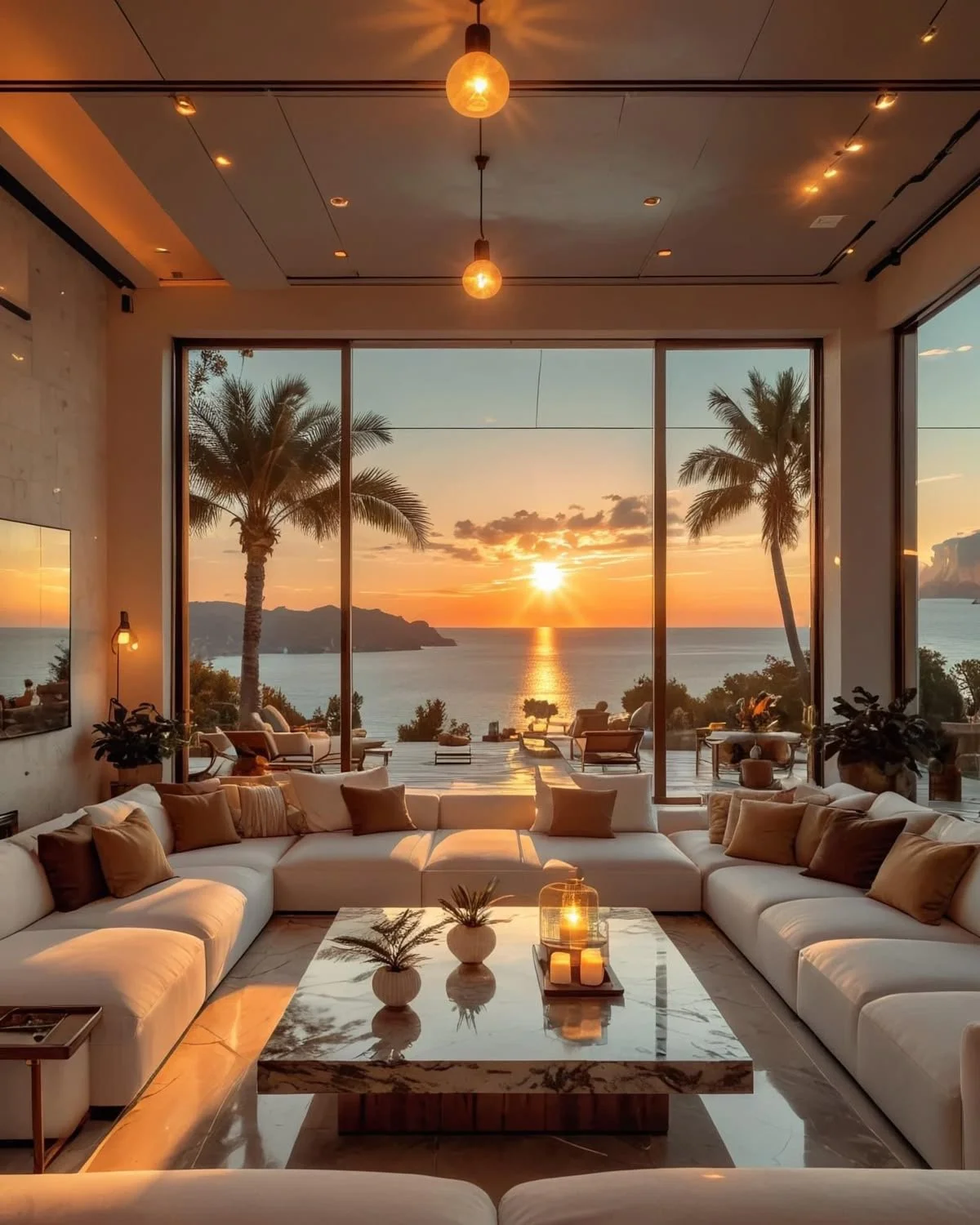
You know the feeling.
The moment you step into a world-class resort or luxury short-term vacation villa-where time slows, your shoulders drop, + everything feels intentionally effortless.
As a luxury residential architectural designer, I've learned that what we're really responding to isn't extravagance—it's thoughtful design that supports how we want to live.
The good news? You don't need to book another flight to feel that way.
You can design it-right at home.
This interactive guide will help you translate the best elements of travel-inspired luxury into a residence that feels restorative, indulgent, + deeply personal-every single day. Yesssss!
Step 1: Identify Your Signature Resort Experience
Before we talk materials or layouts, let's start with intention.
Think about your favorite place you've ever stayed.
Not the most expensive-the most memorable.
👉🏾 Interactive Prompt:
Which experience resonates most with you?
A serene coastal retreat with endless light + ocean air
A European boutique hotel rich in texture, history, + intimacy
A wellness-focused spa resort grounded in nature
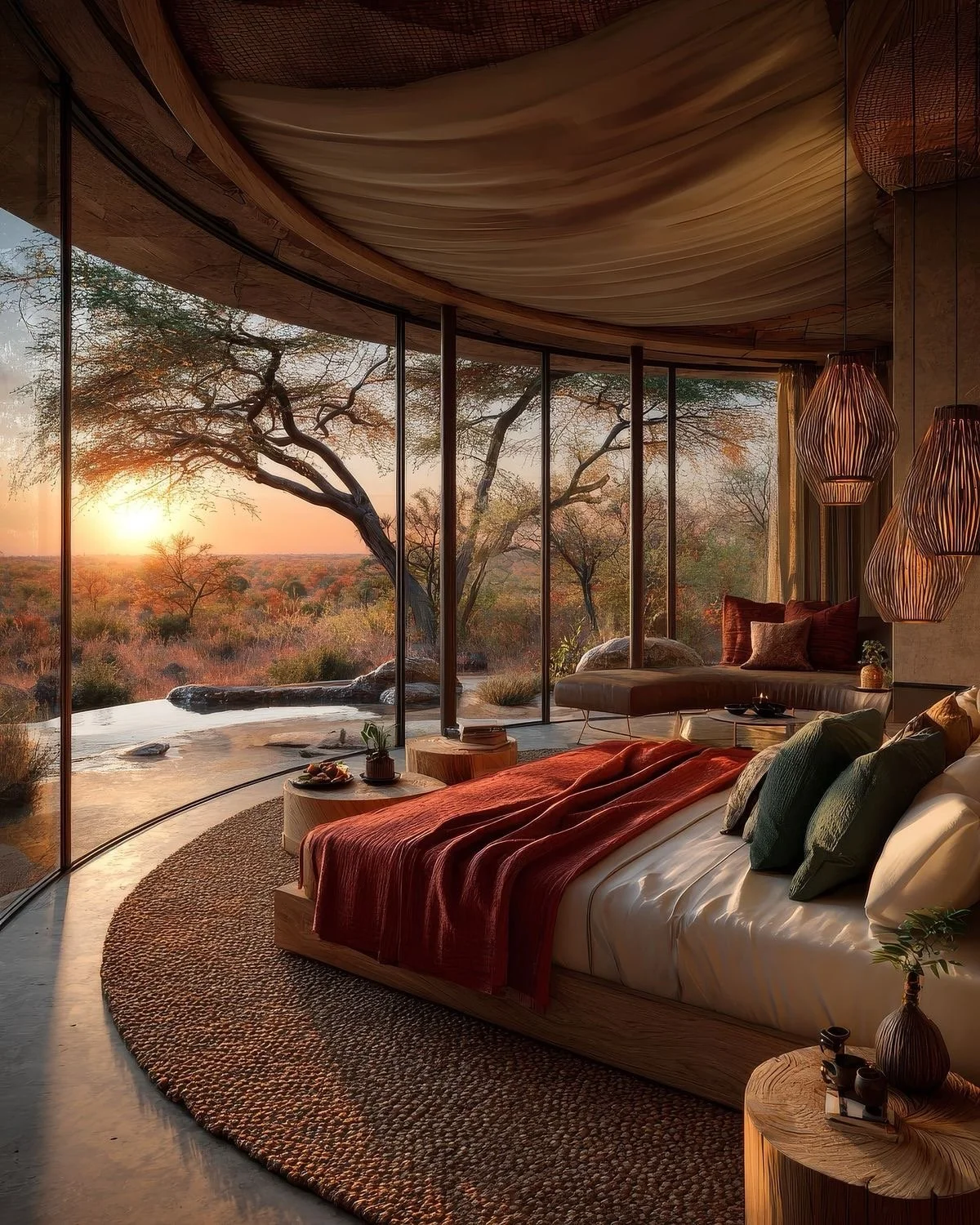
A modern desert escape with seamless indoor-outdoor living
Your answer becomes the design compass for your home.
Luxury design succeeds when it reflects your emotional response to space, not a trend.
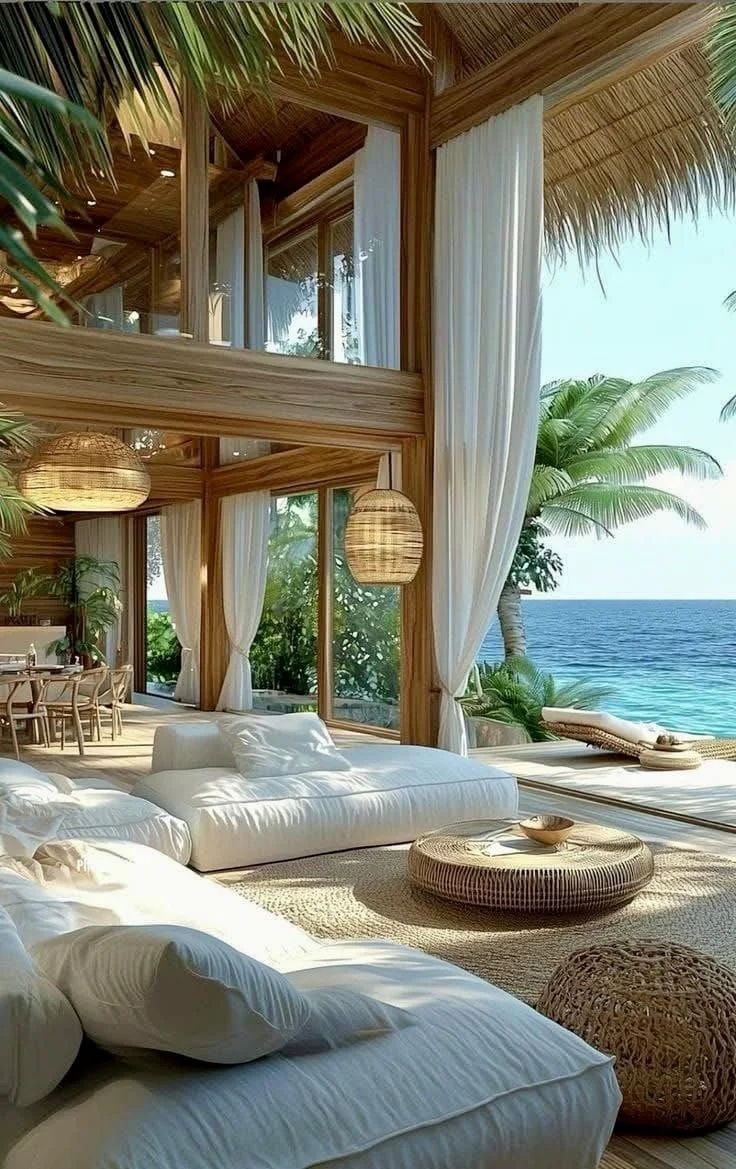
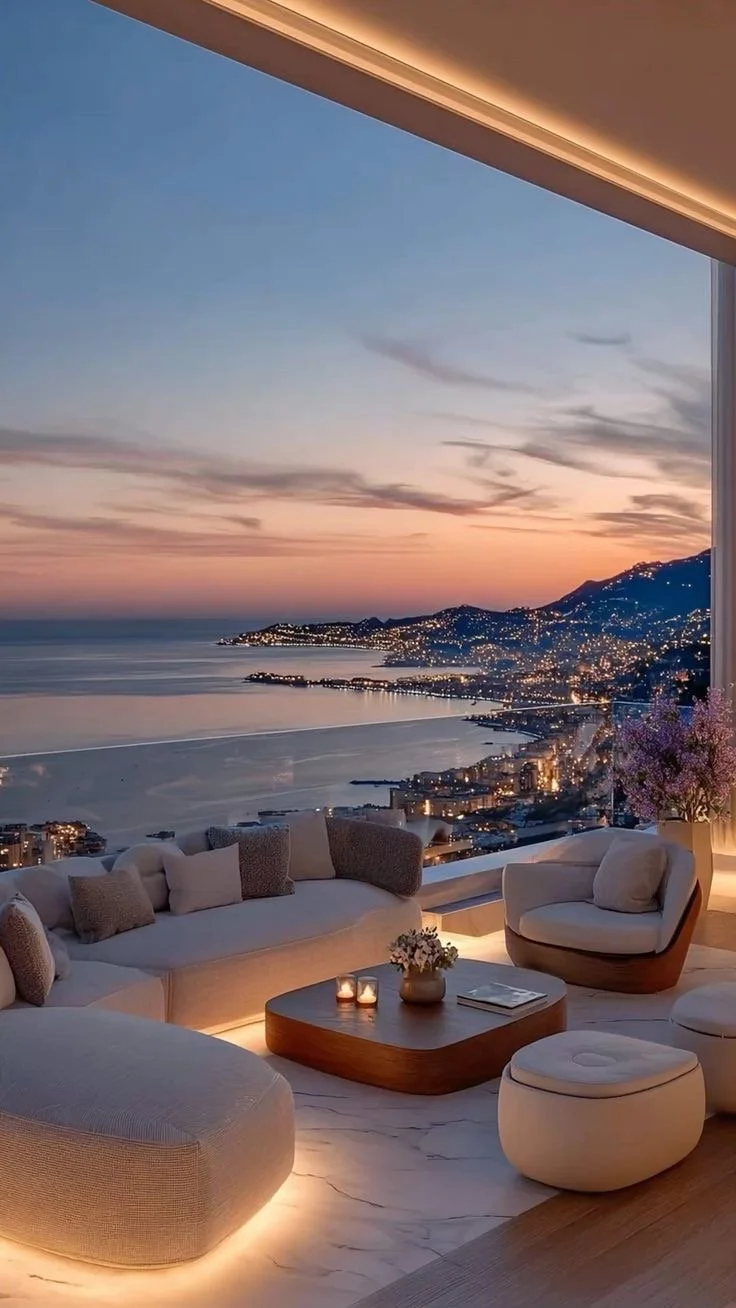
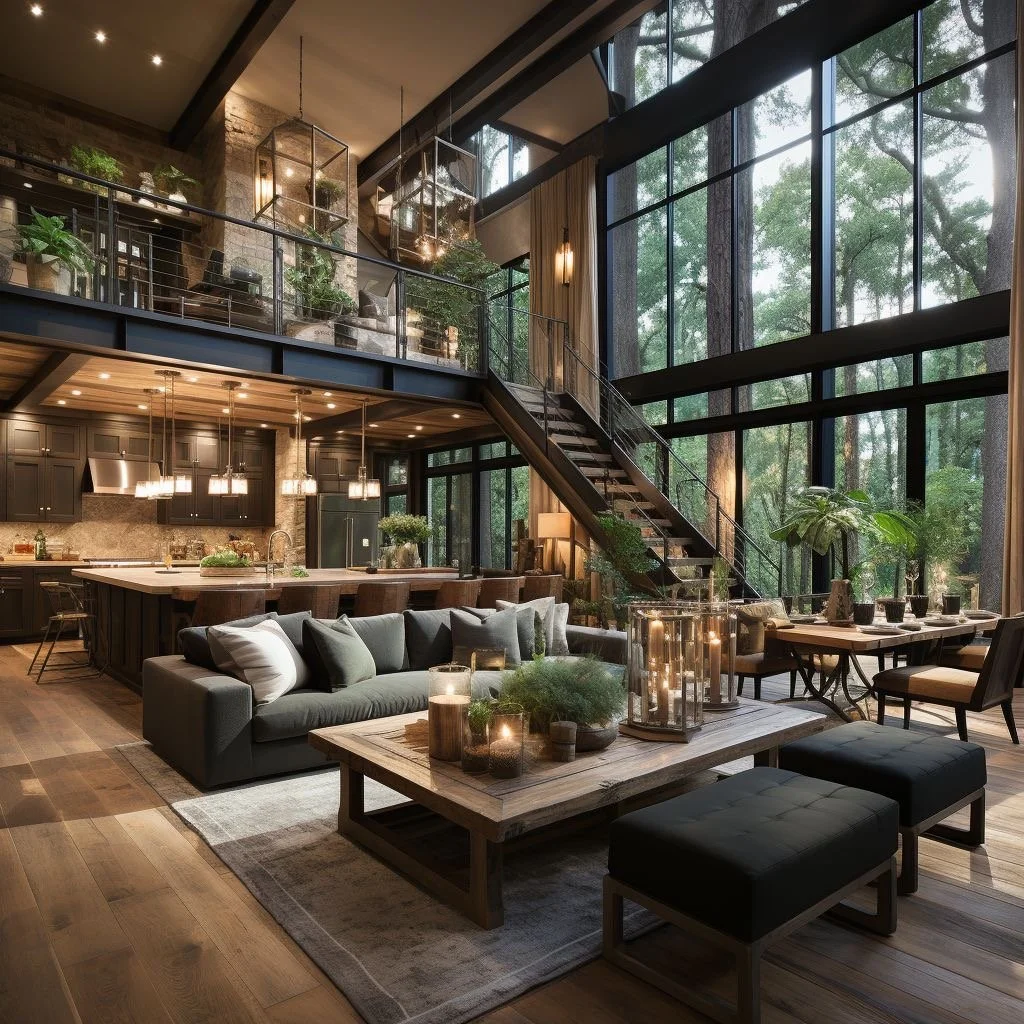
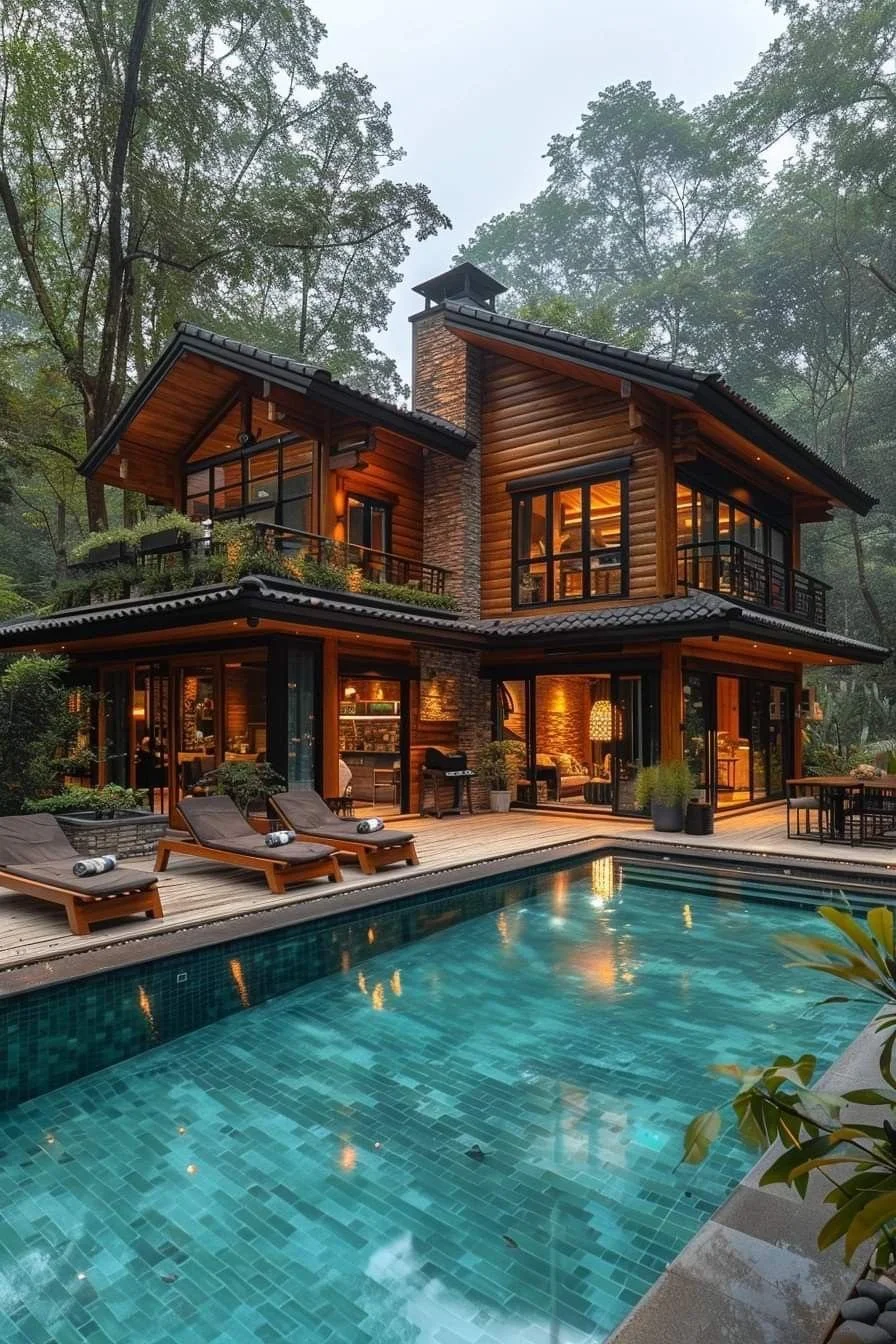
Step 2: Design for Arrival (The Check-In Effect)
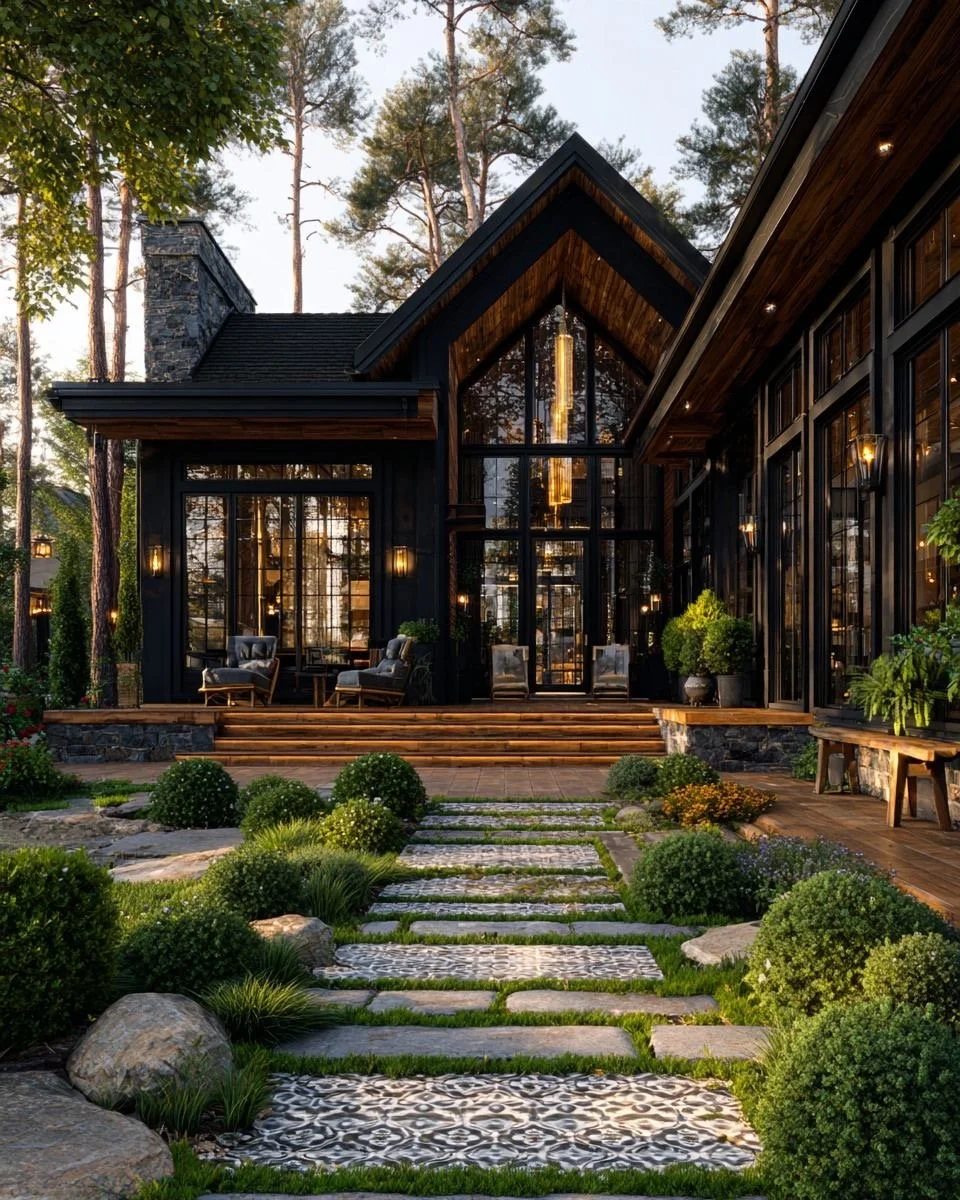
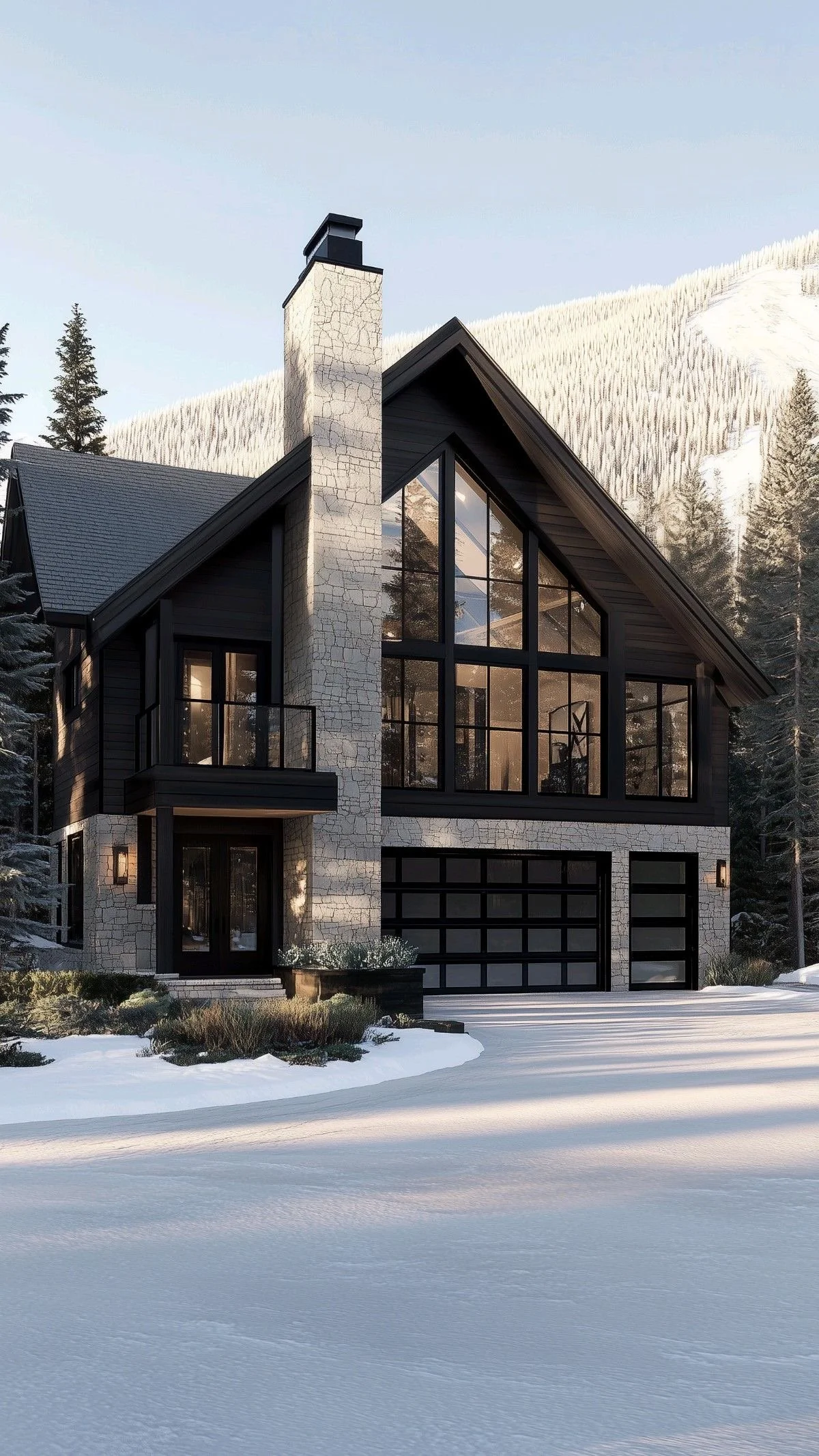
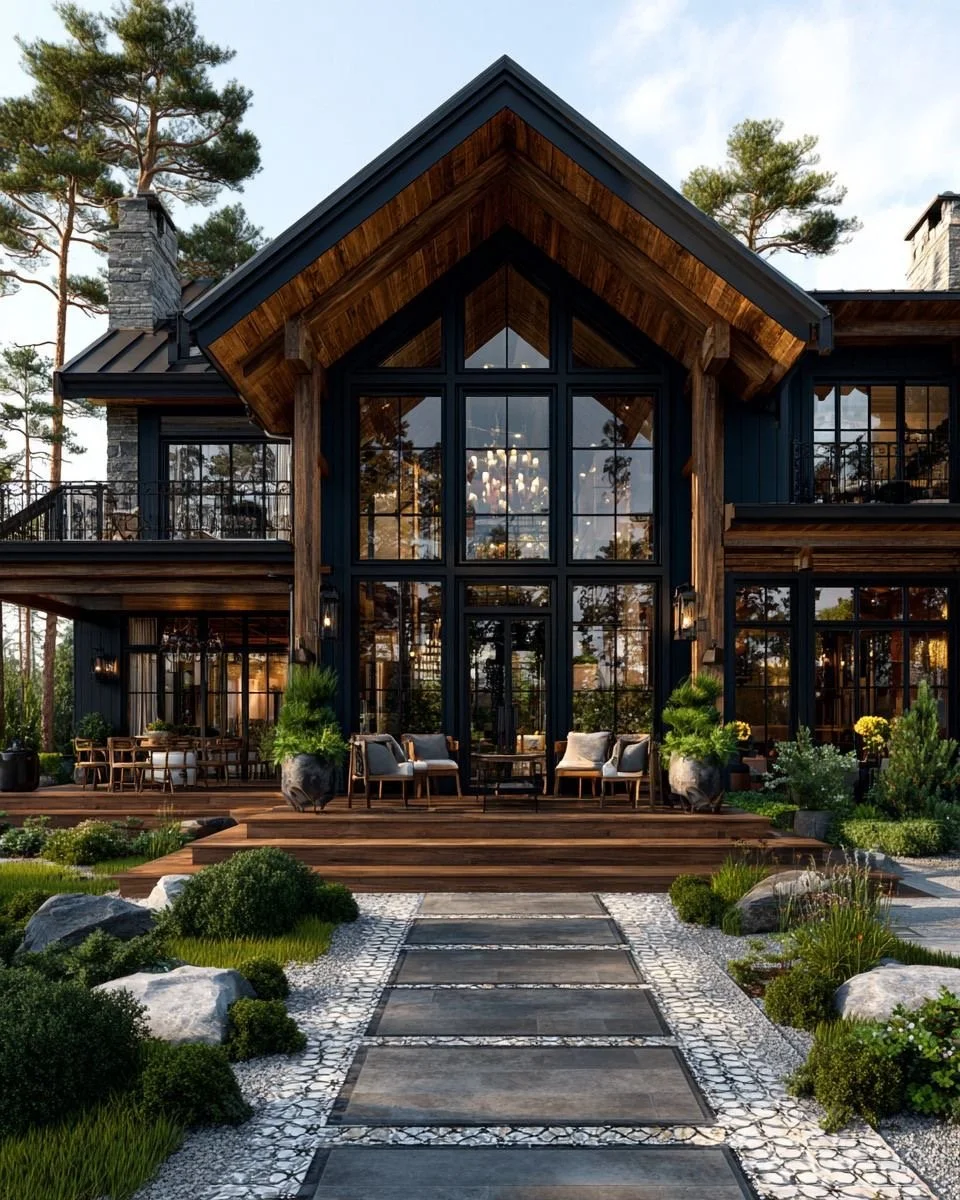
Exceptional resorts or luxury short-term villas don't begin at the pool—they begin at the arrival sequence.
At home, the entry is often overlooked, yet it sets the emotional tone for everything that follows.
Resort-Inspired Design Moves:
Layered lighting that shifts from day to evening
Natural materials (stone, wood, plaster) that immediately ground you
A sense of progression-never revealing everything at once
👉🏾Ask Yourself:
When I walk through my front door, do I feel welcomed... or rushed?
A thoughtfully designed entry should feel like crossing a threshold into calm.
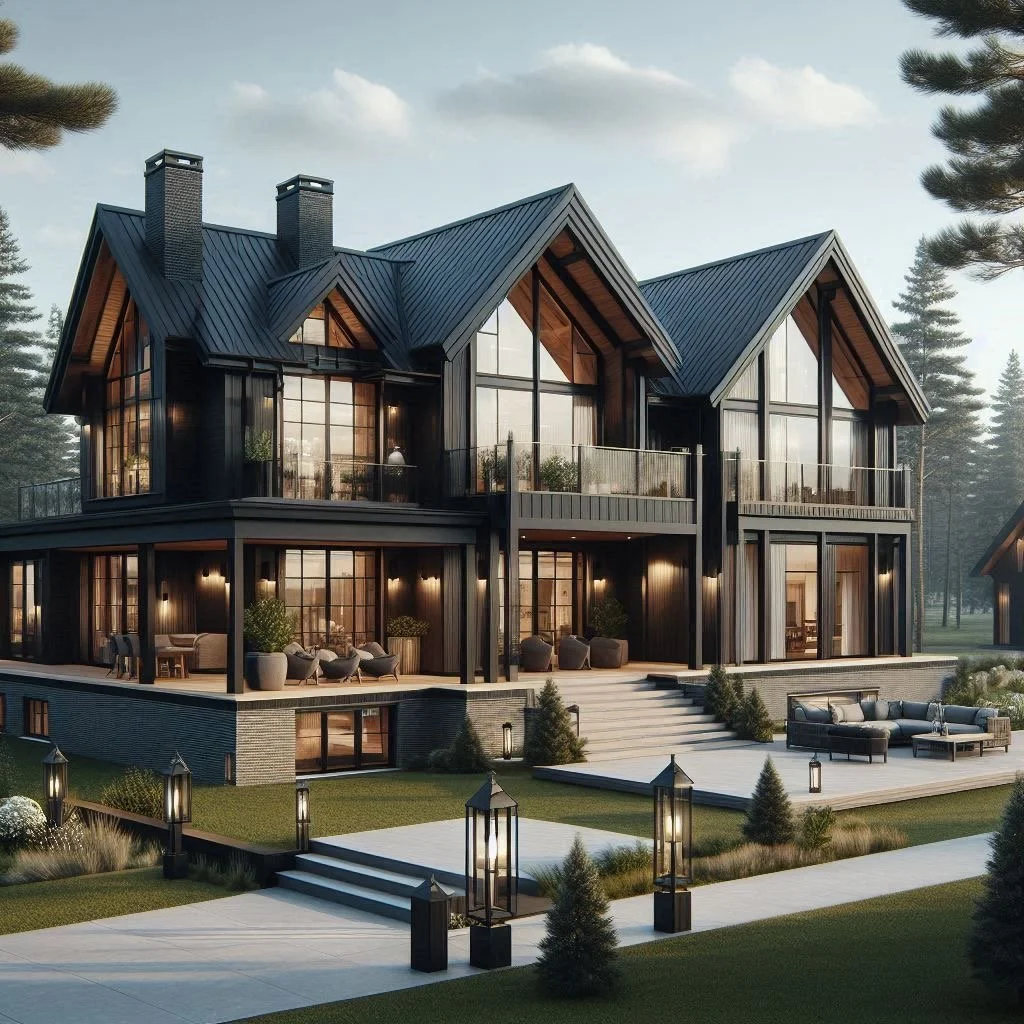
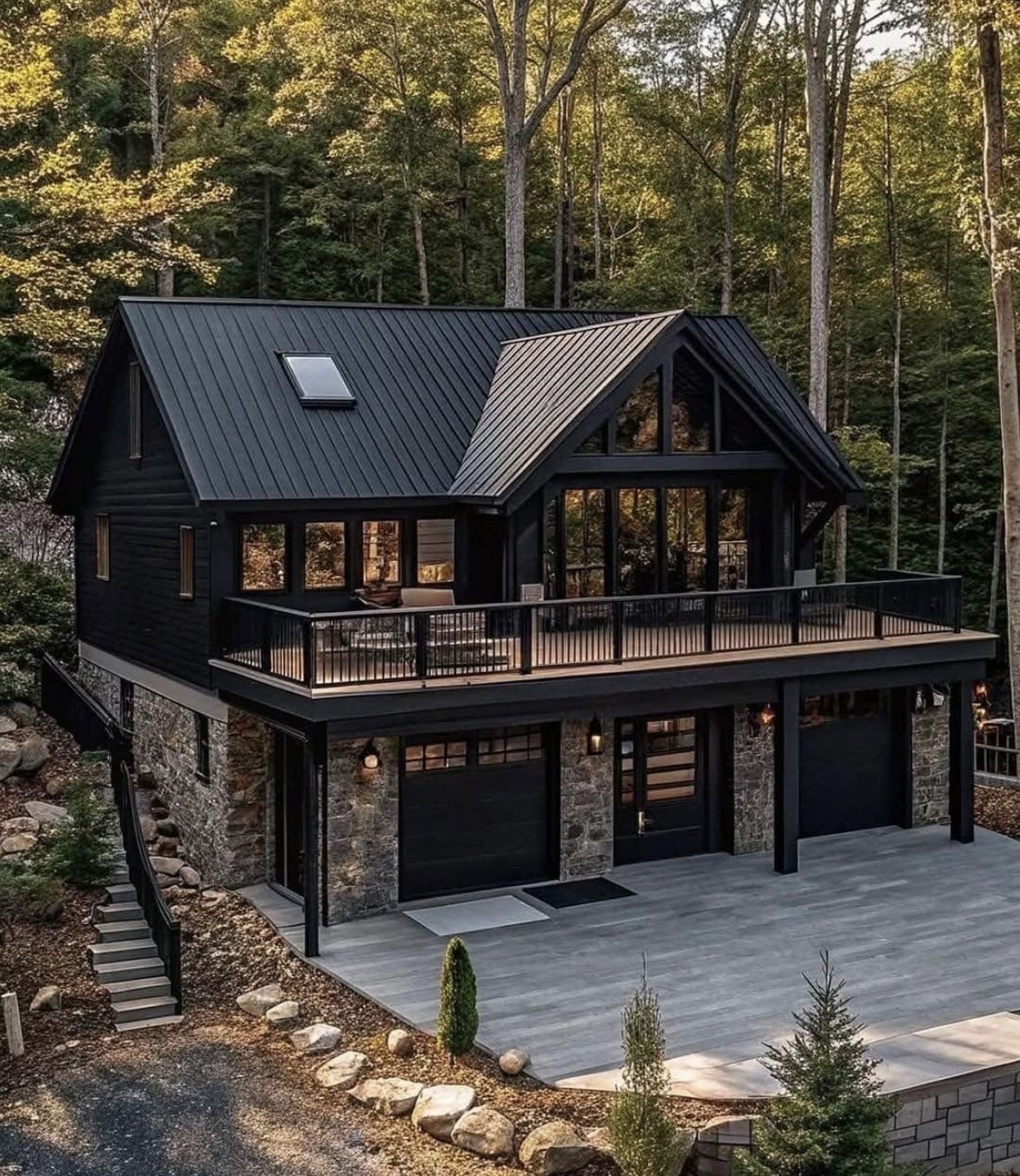
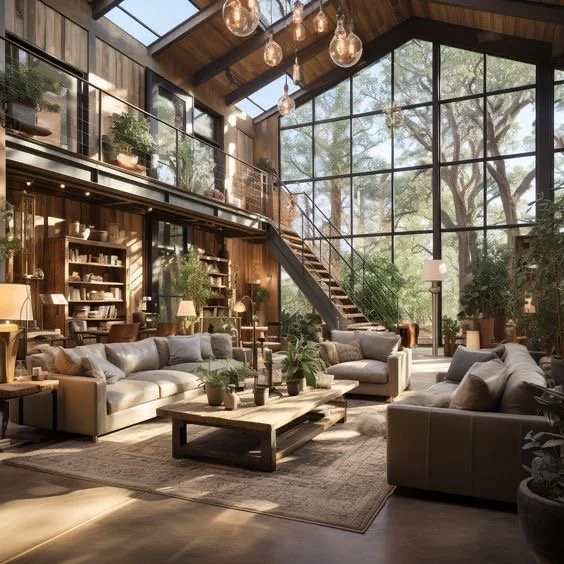
Step 3: Create Spaces That Encourage Slowing Down
Luxury resorts + short-term vacation villas are masters at giving us permission to pause.
Your home should do the same.
Architectural Strategies That Change Daily Behavior:
Wider hallways + softened transitions between rooms
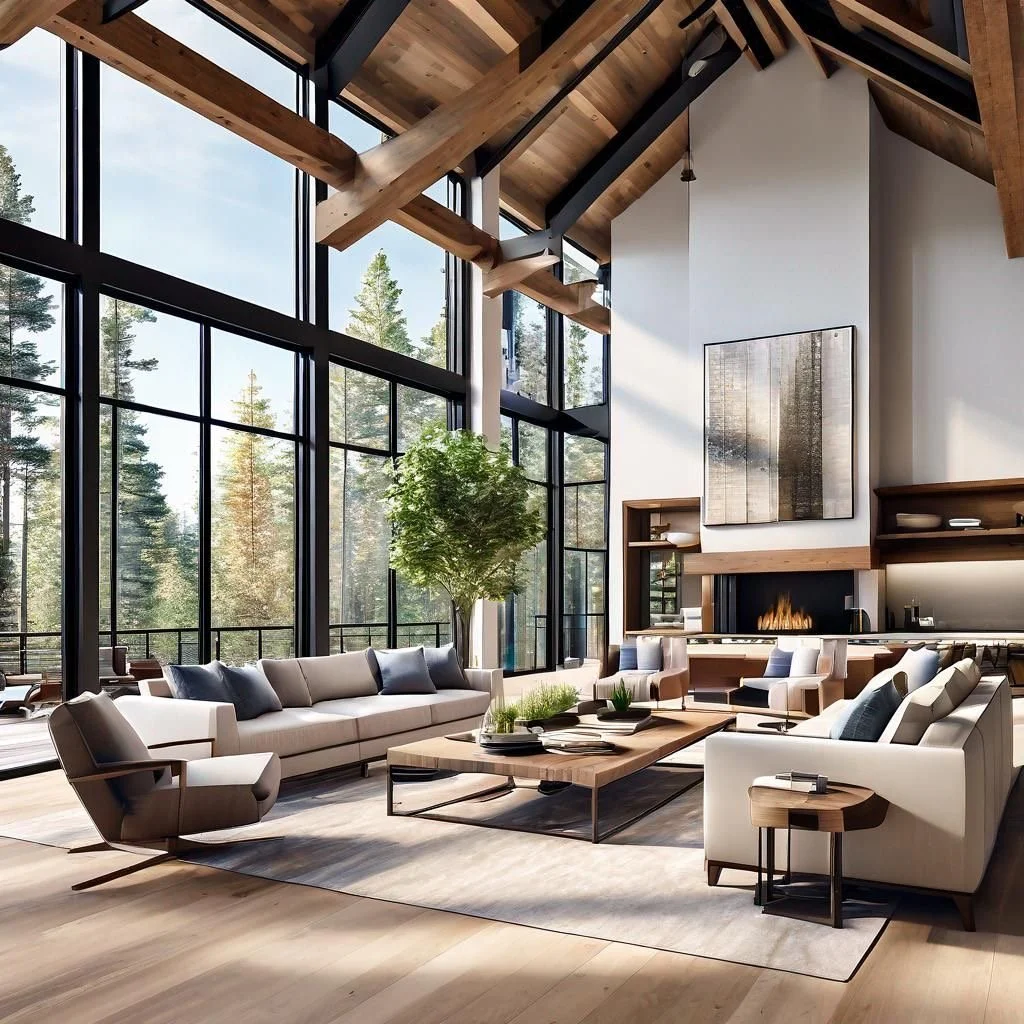
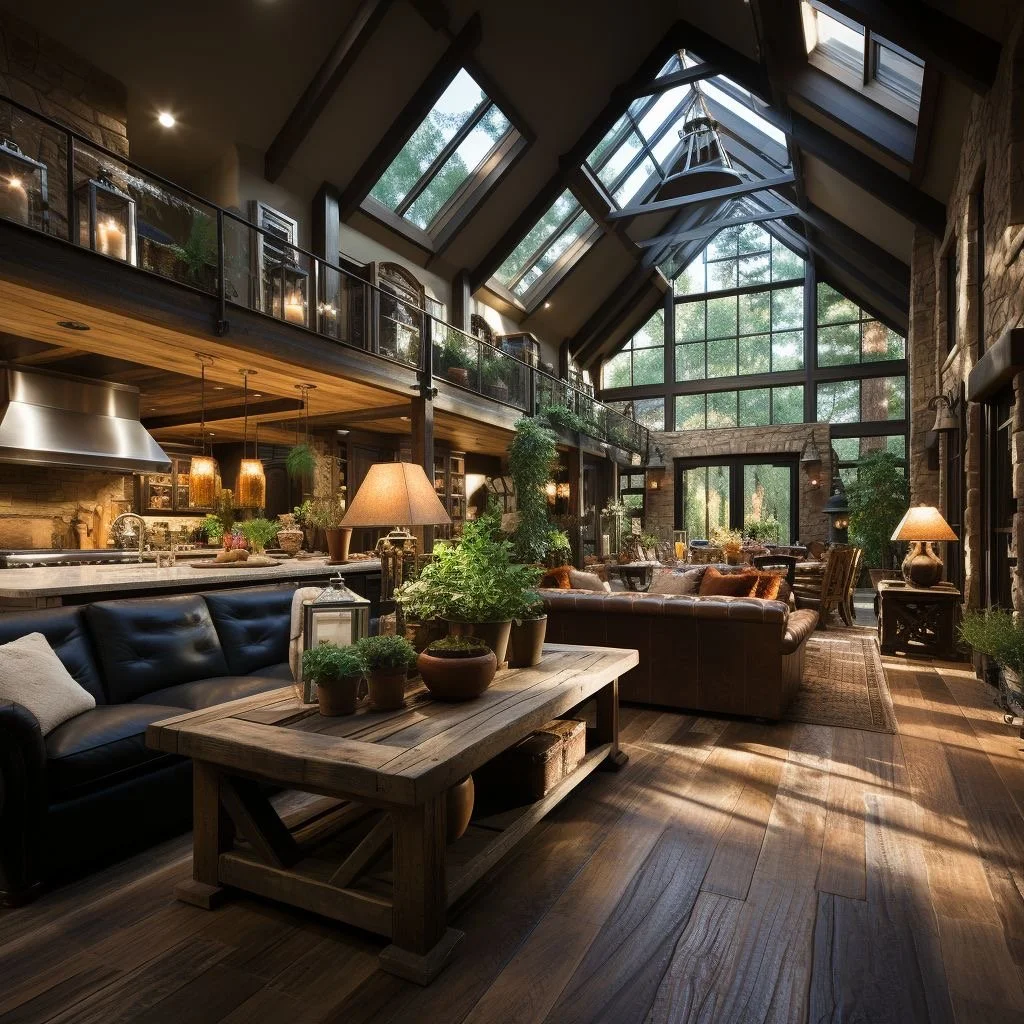
Purposeful "pause points" like window seats or reading alcoves
Furniture layouts that encourage conversation—not just TV viewing
👉🏾 Interactive Exercise:
Which room in your home should be used more slowly—but isn't?
That's your opportunity for transformation.
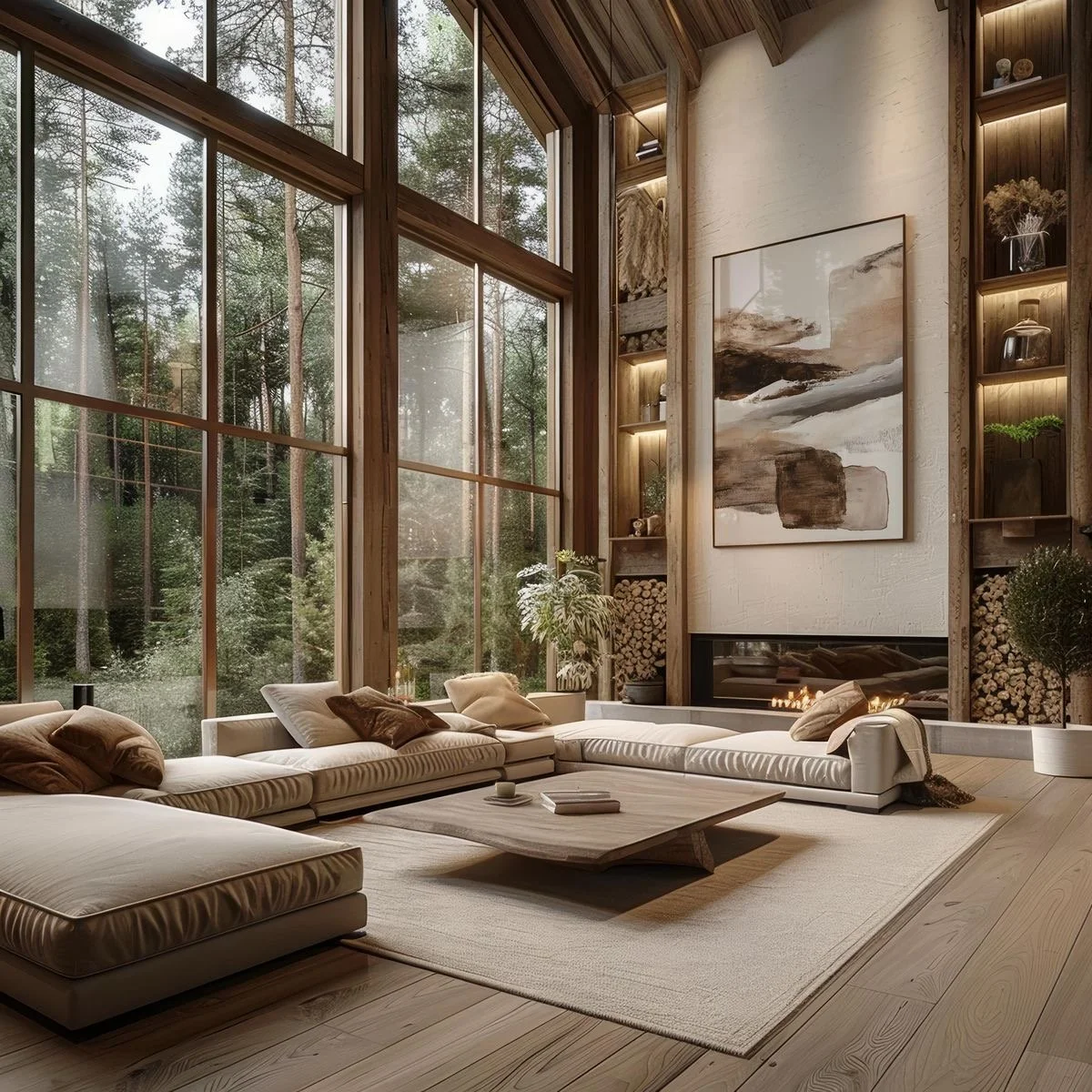
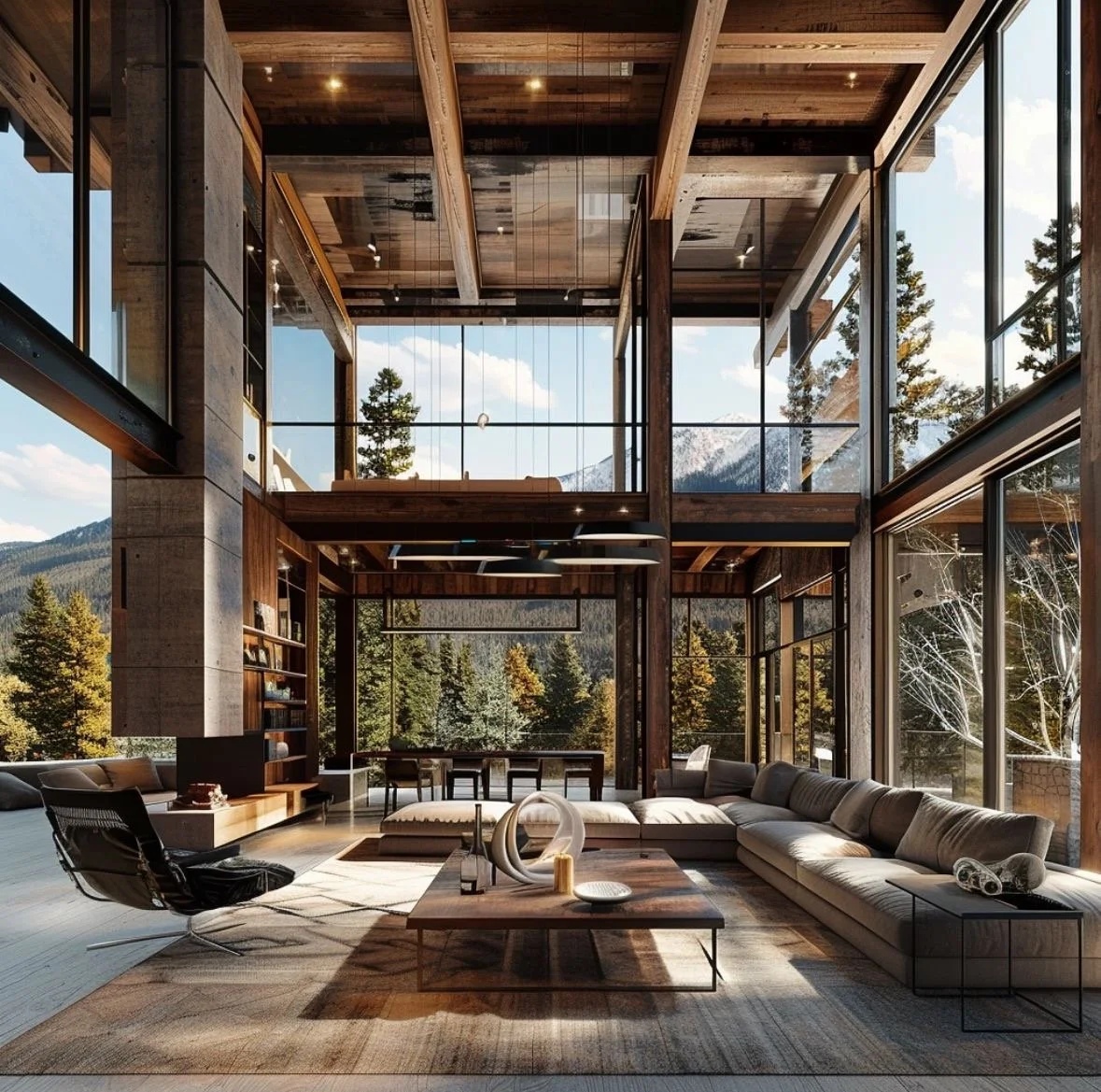
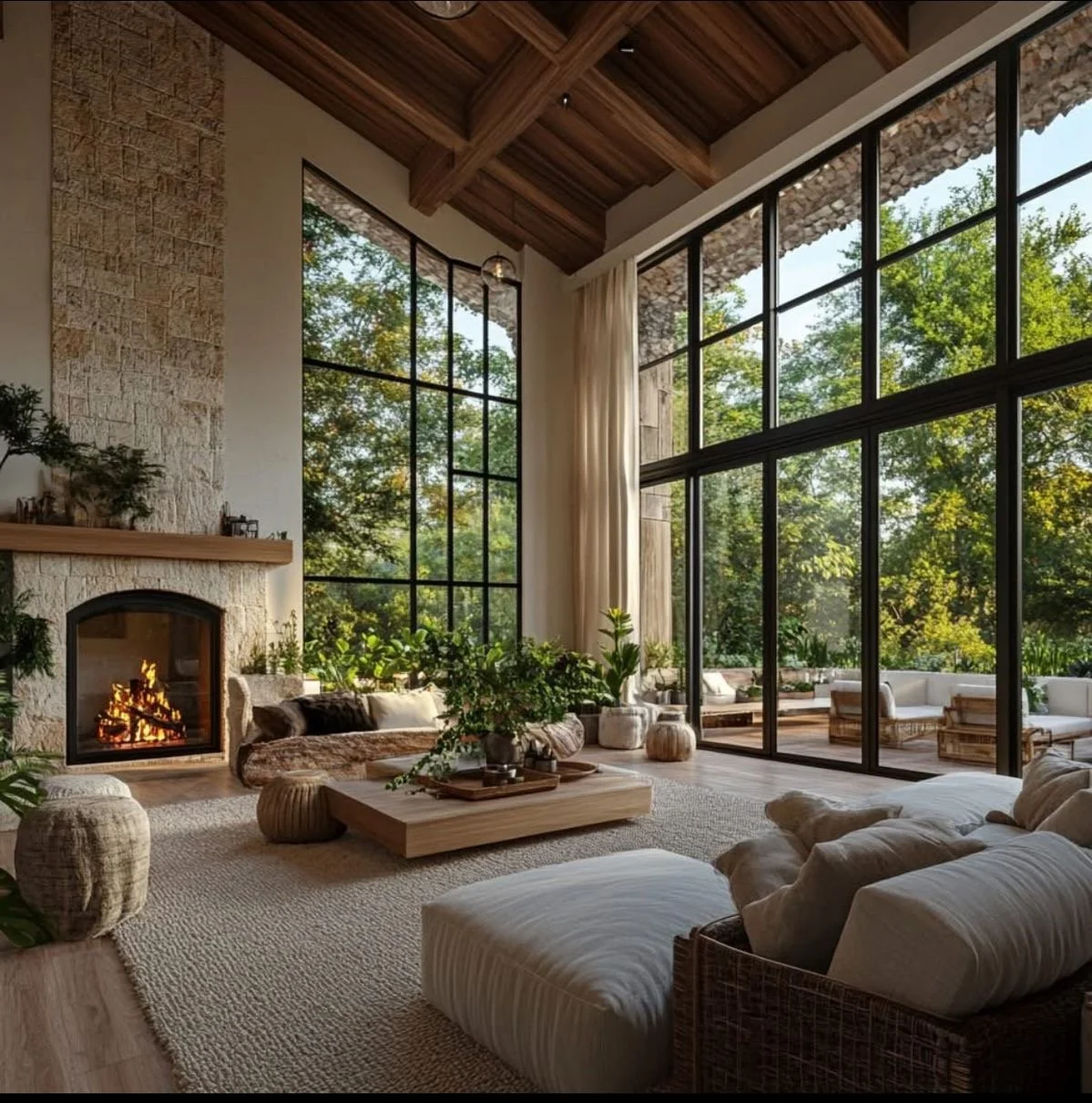
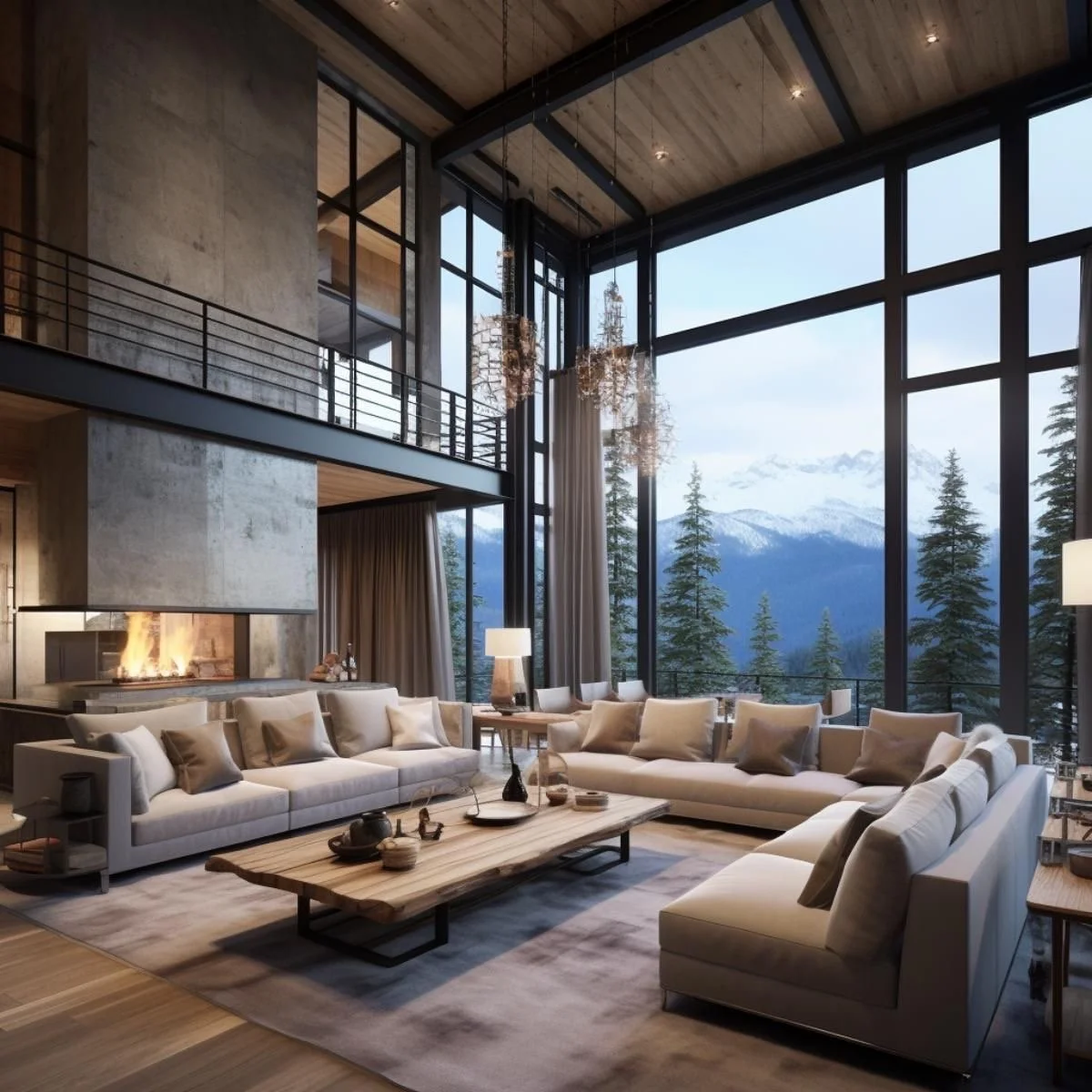
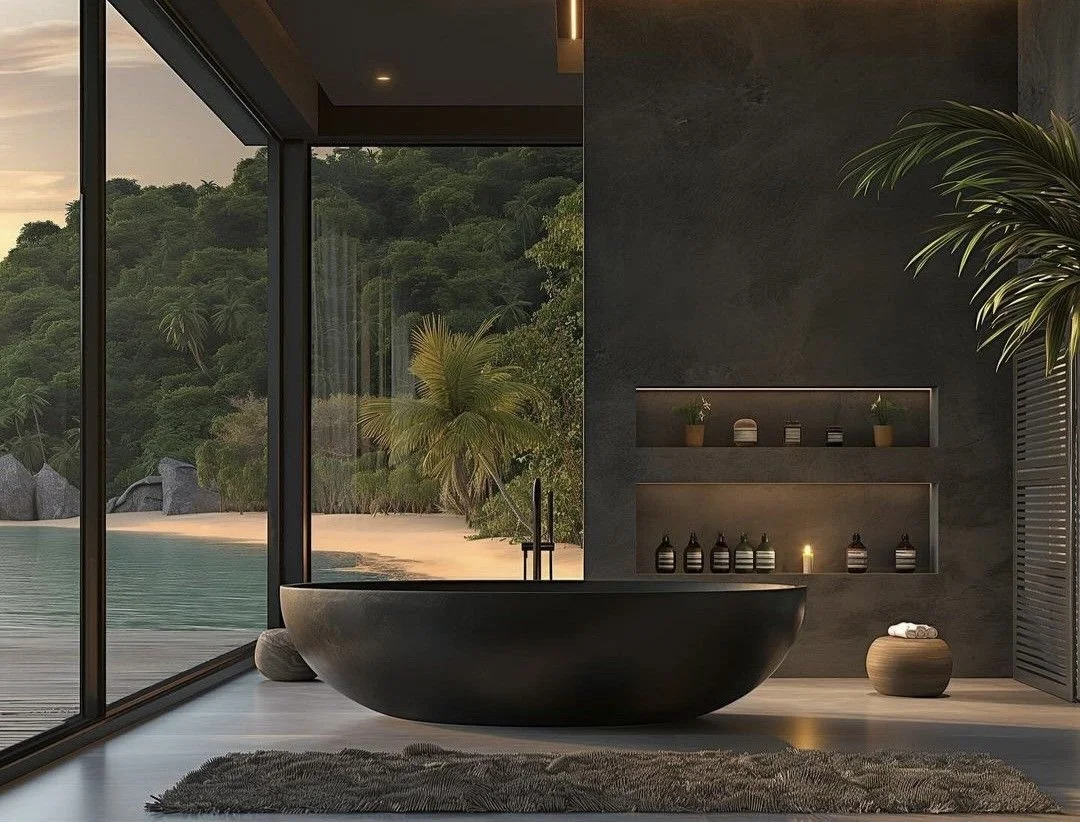
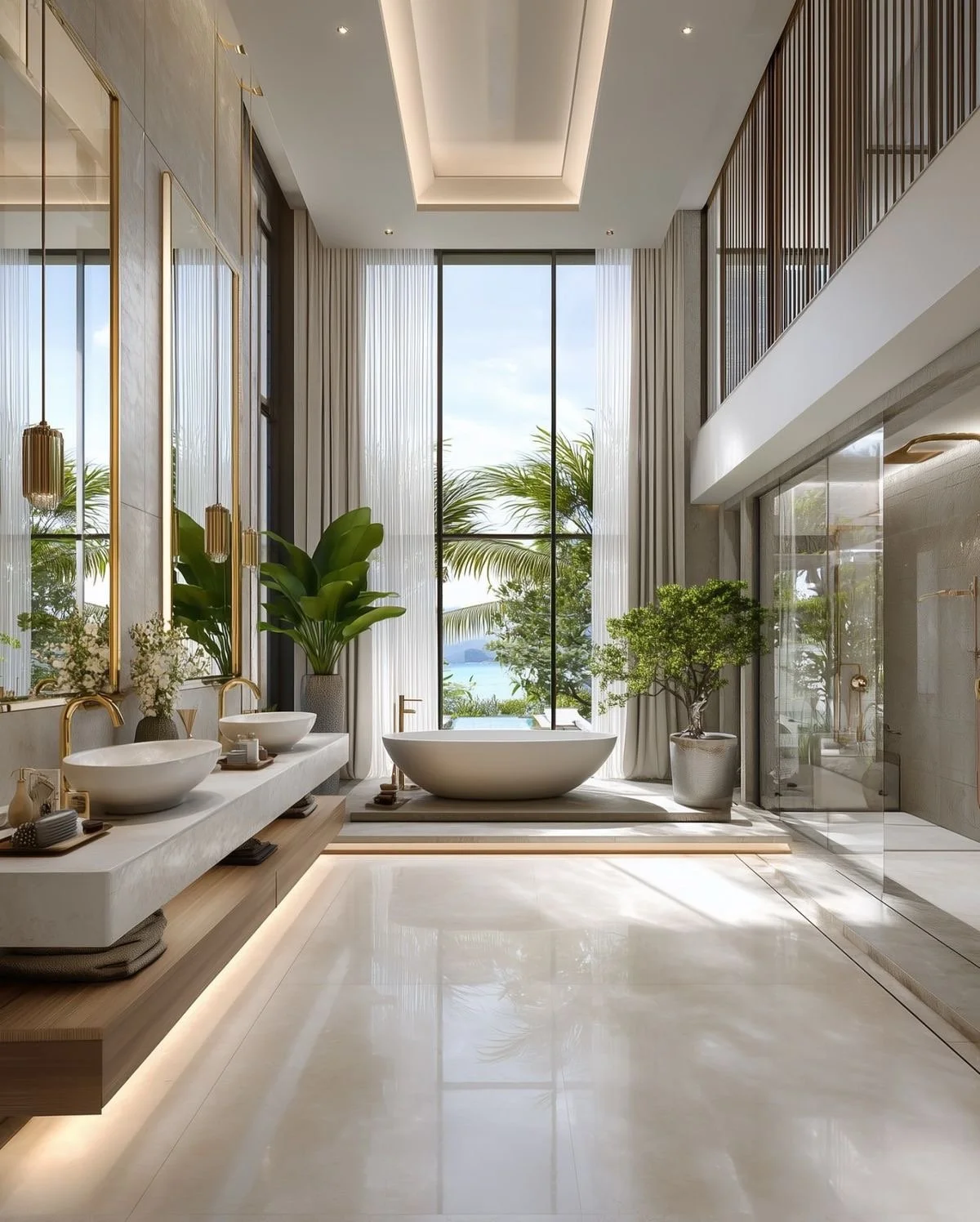
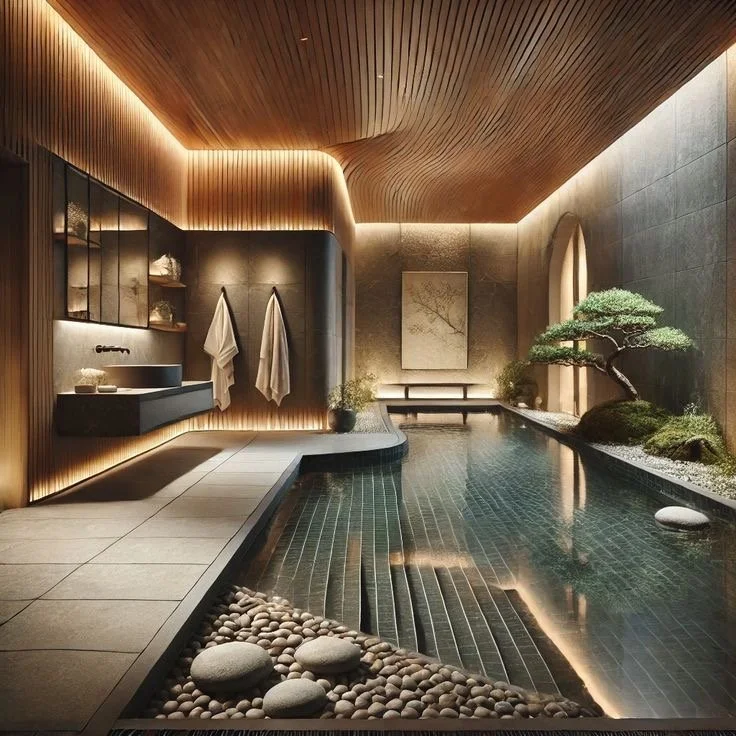
Step 4: Bring the Spa Home (Beyond the Bathroom)
True wellness design extends far past a soaking tub.
Resorts + vacation villas succeed because they engage the senses holistically.
Think in Layers:
Sound: integrated acoustics, water features, or quiet mechanical systems
Touch: heated floors, honed stone, hand-troweled plaster walls
Scent: natural ventilation, garden adjacency, subtle material aromas
👉🏾 Design Check:
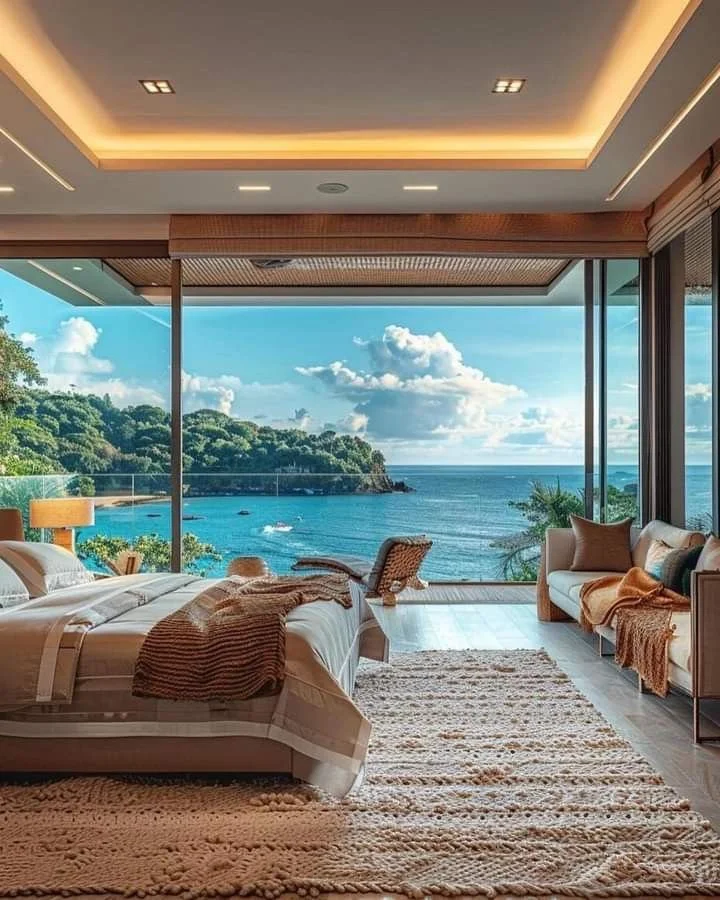
Does your primary suite feel like a place to retreat-or simply sleep?
Wellness-focused residential design is about restoration, not excess.
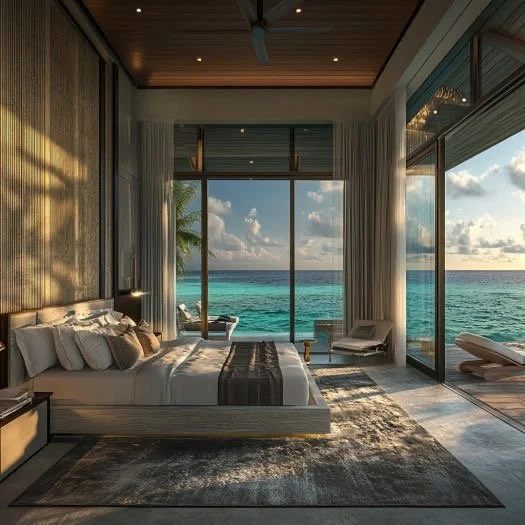
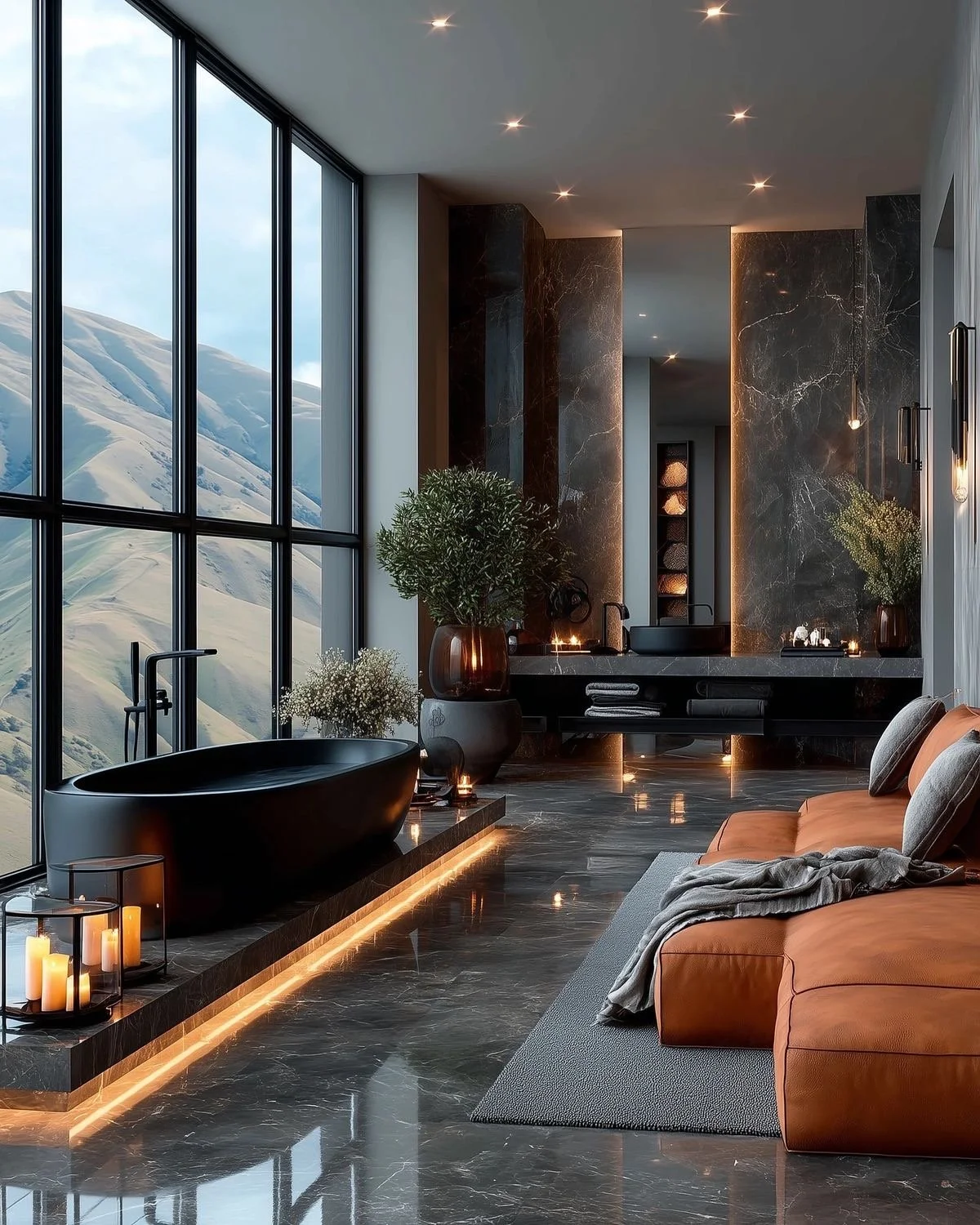
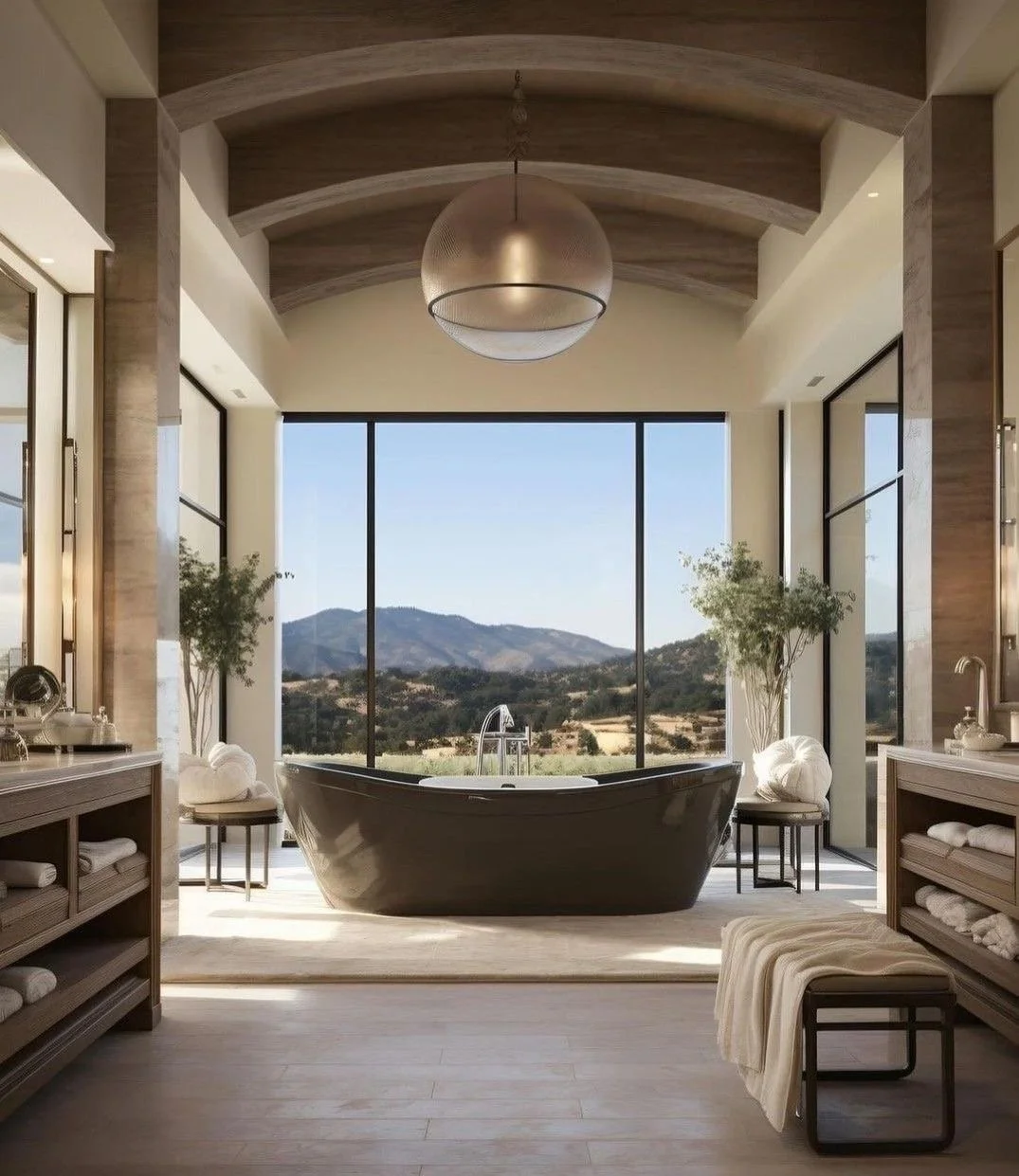
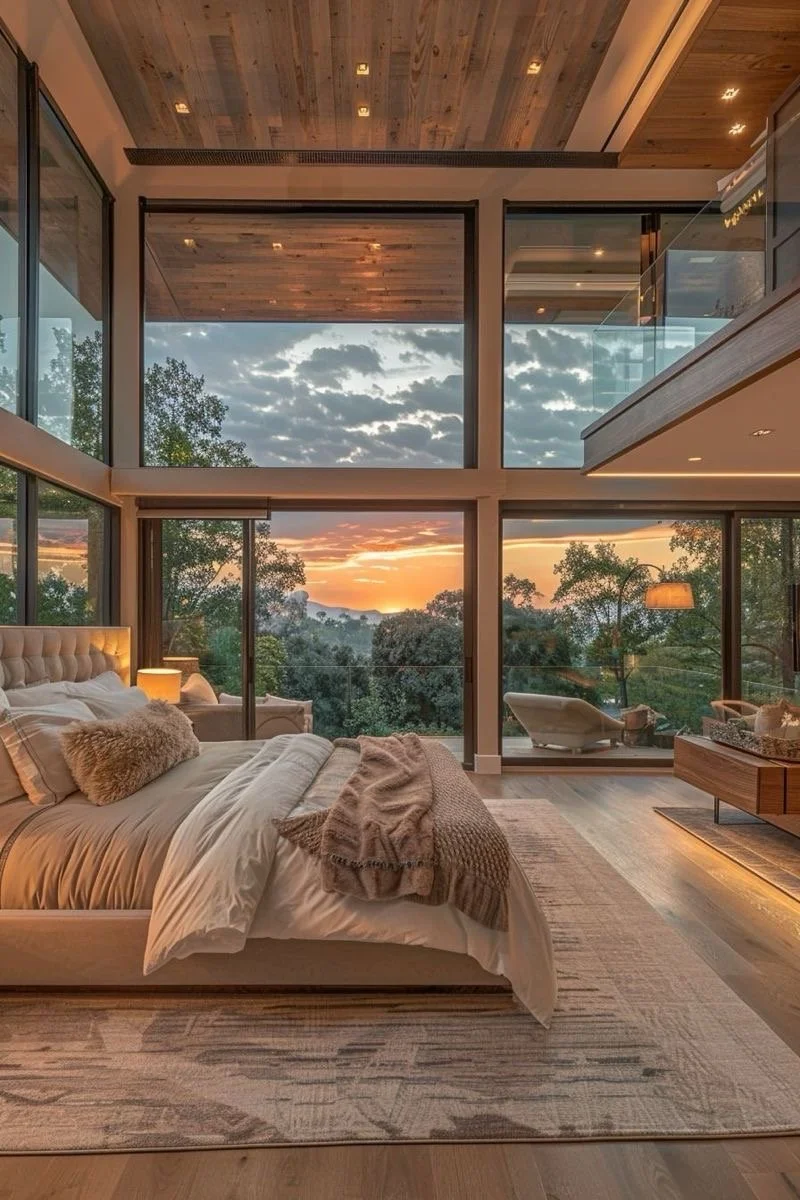
Step 5: Blur the Line Between Indoors and Out
One of the most powerful lessons from resort + luxury short-term design is connection to nature.
In high-end residential architecture, this often becomes the defining feature of a home.
Resort-Level Enhancements:
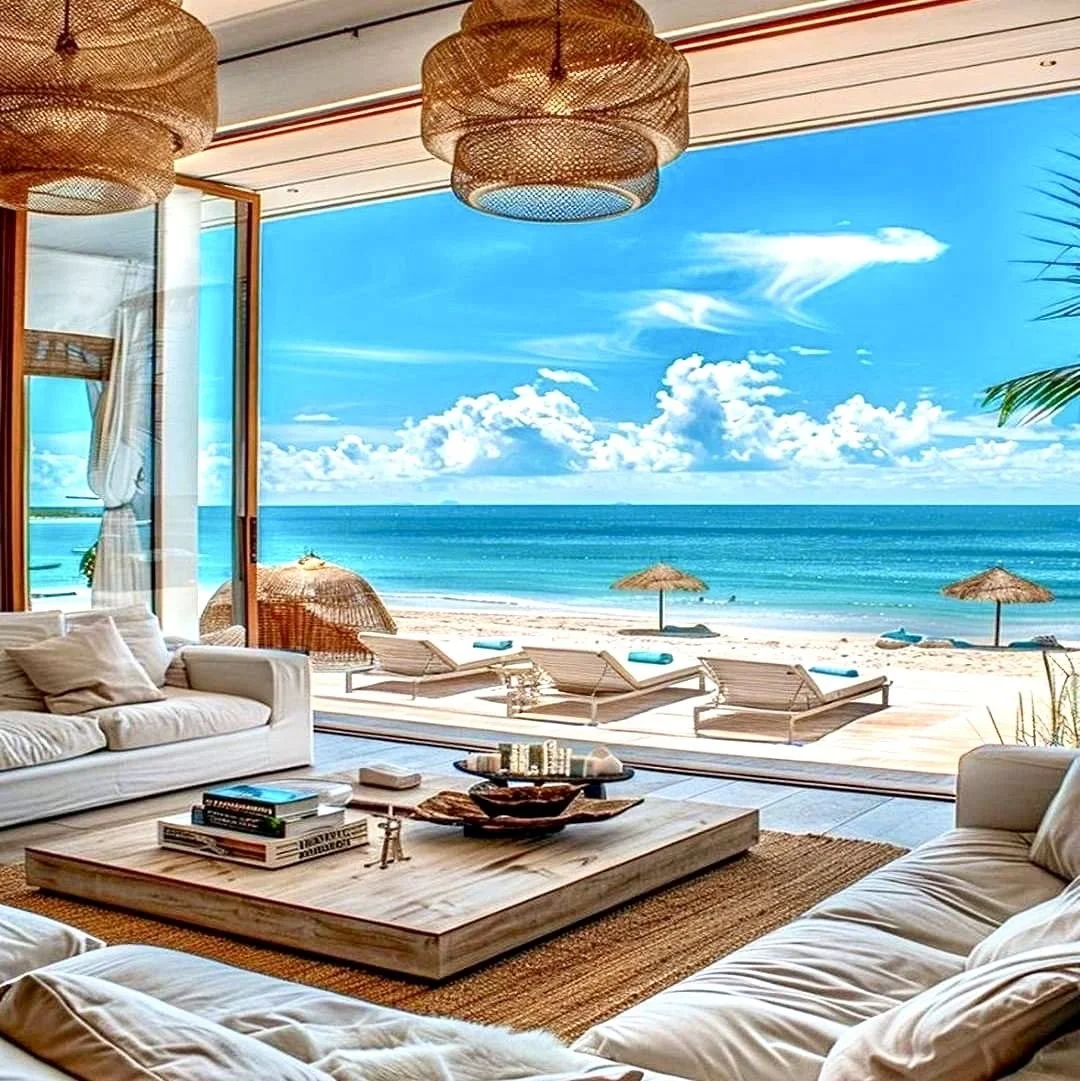
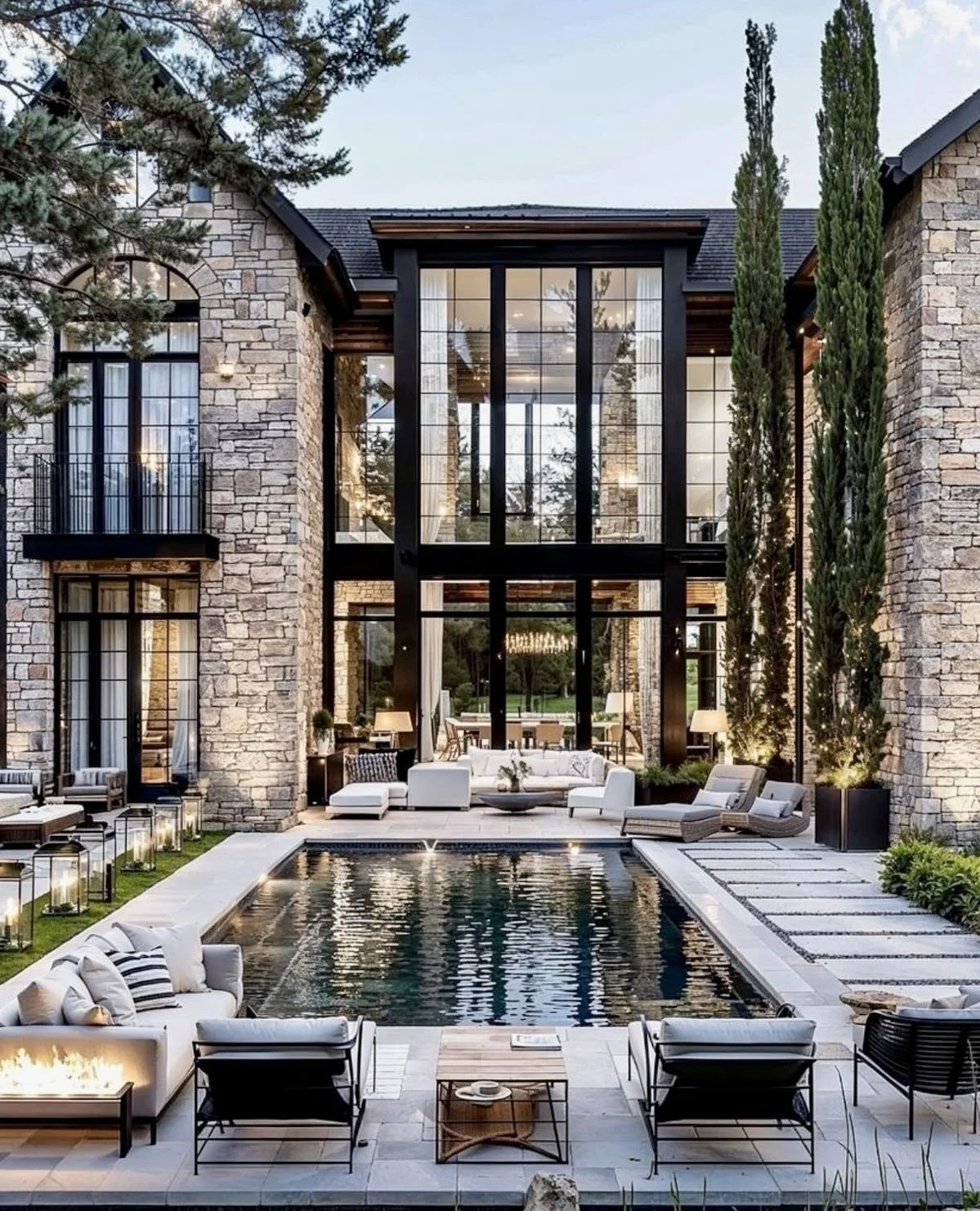
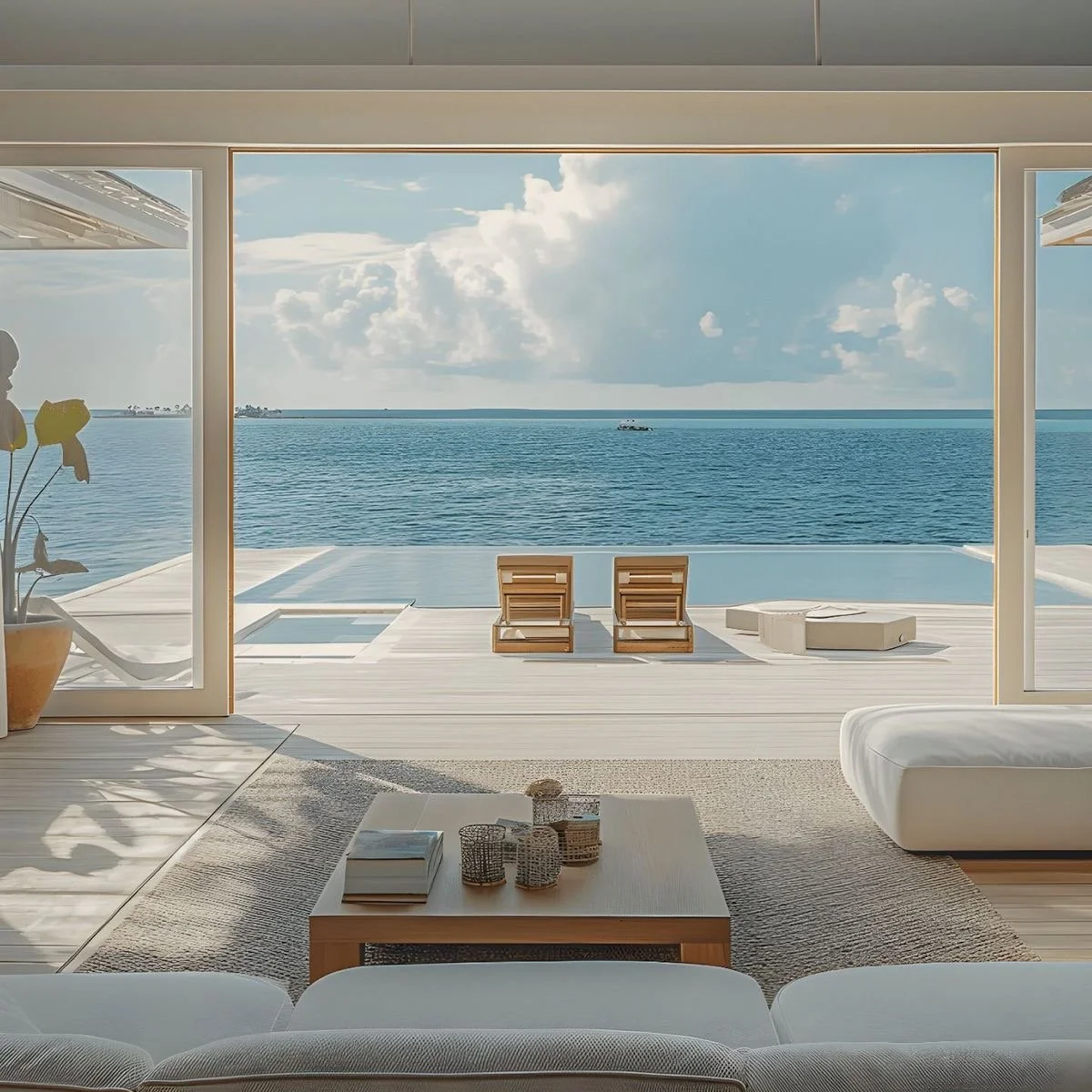
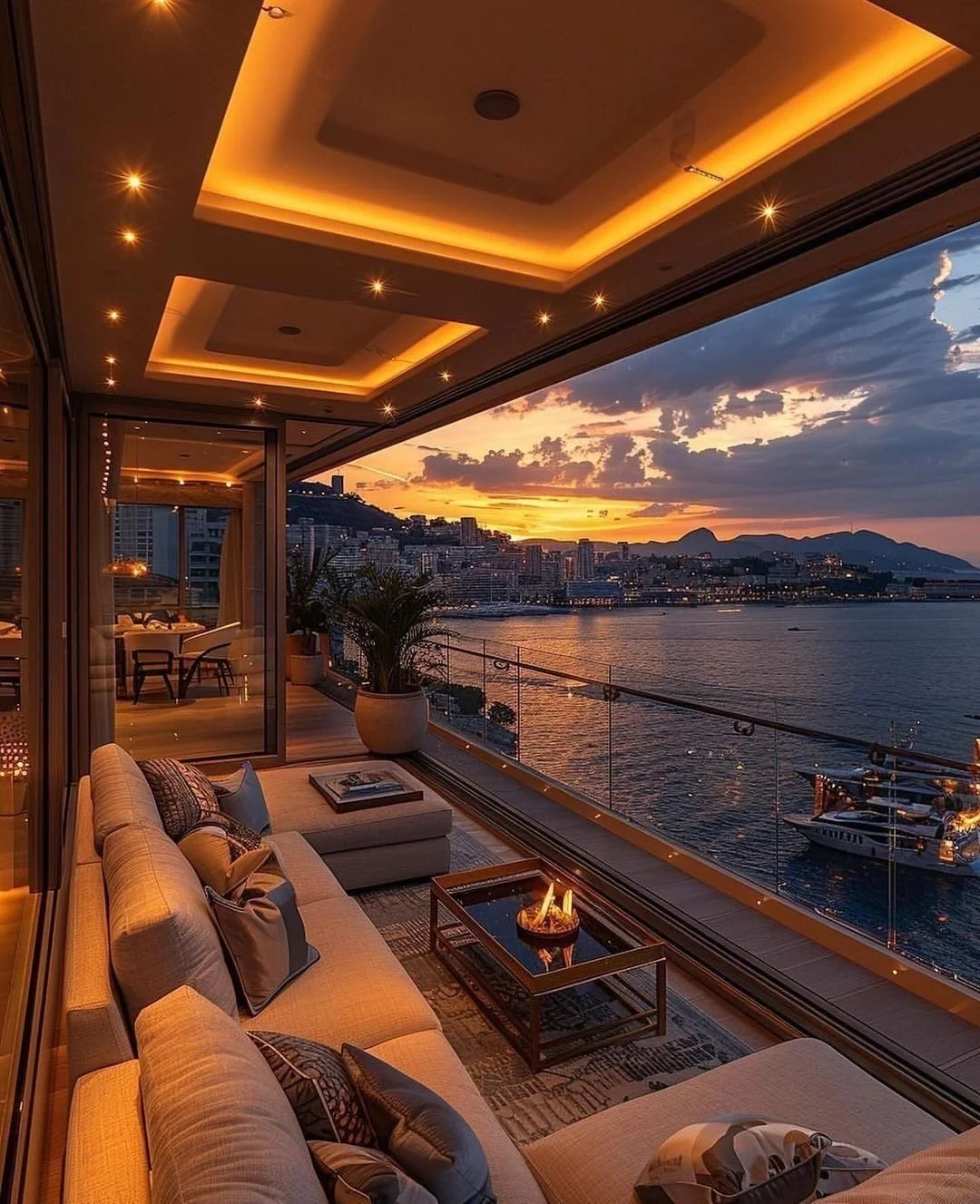
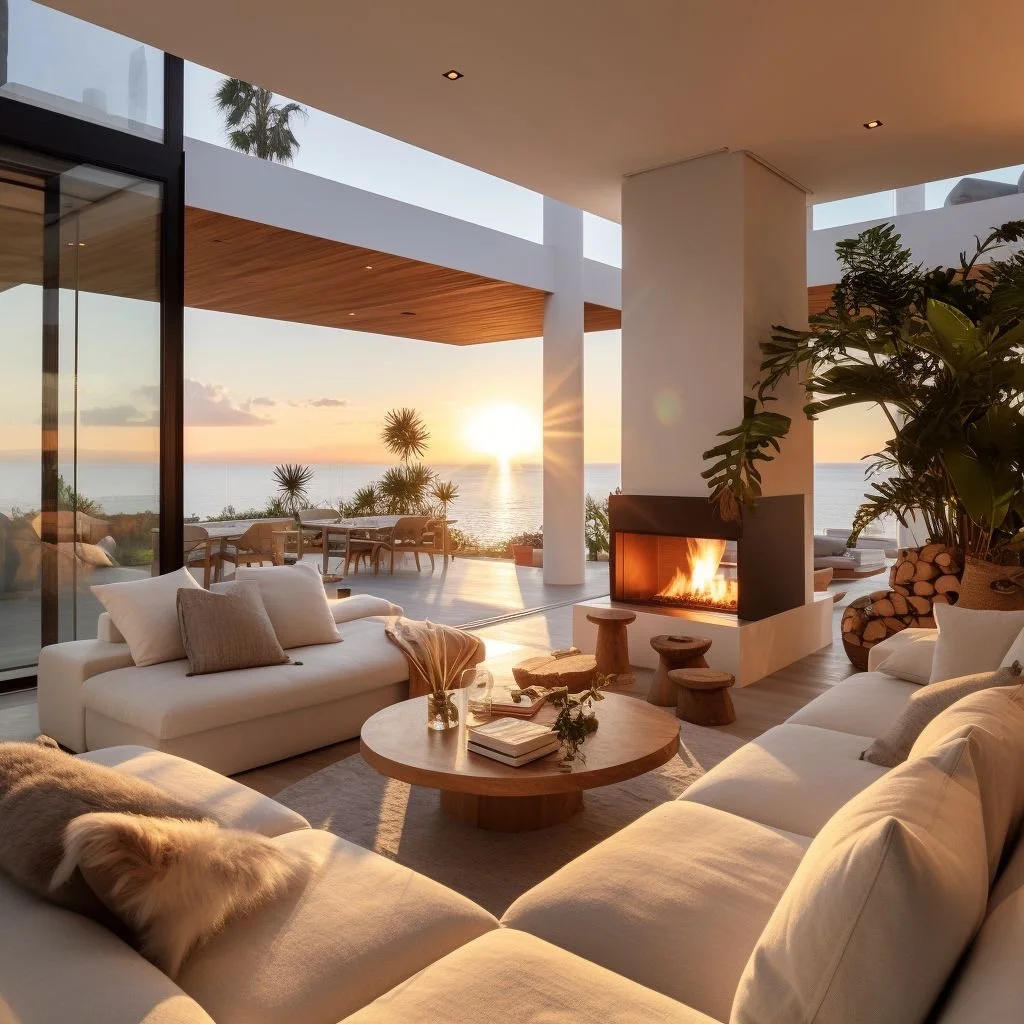
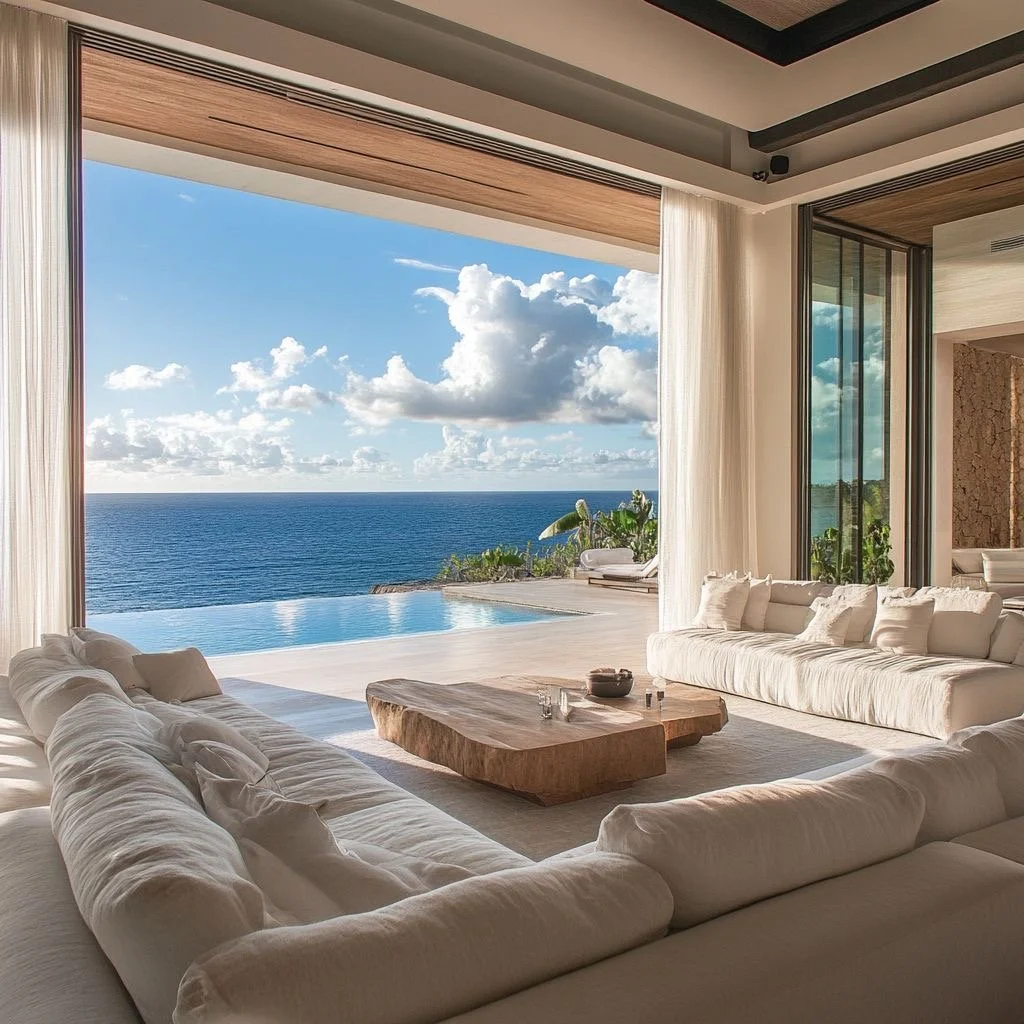
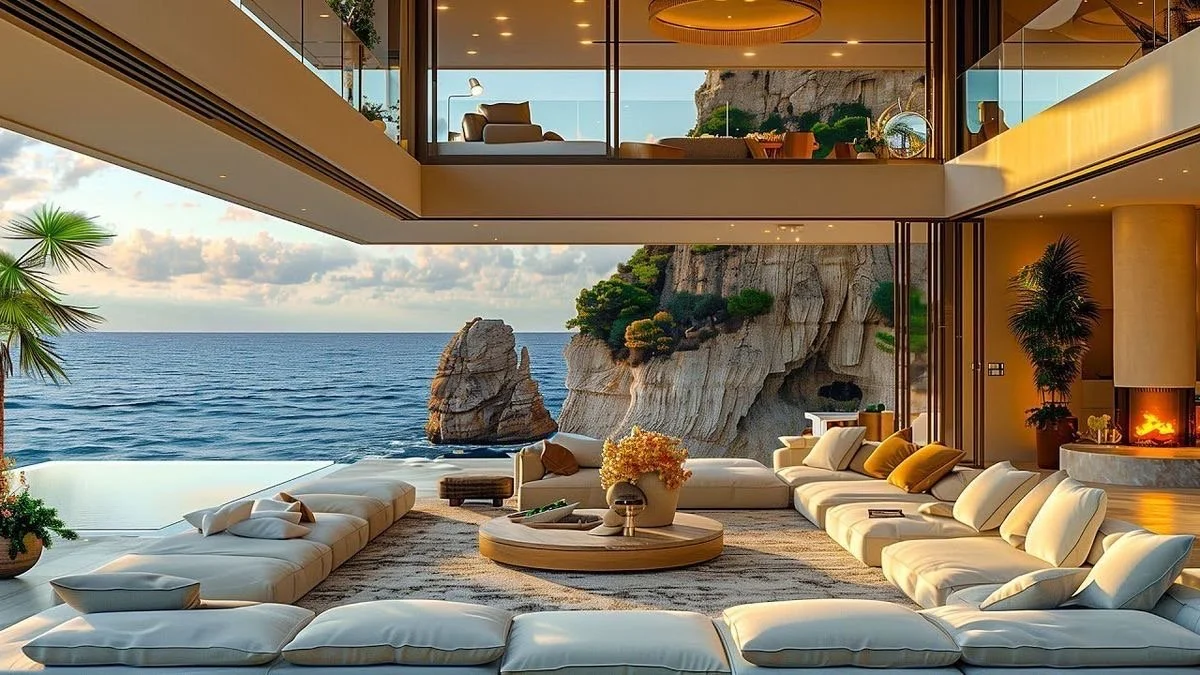
Large openings that fully dissolve walls to the outdoors
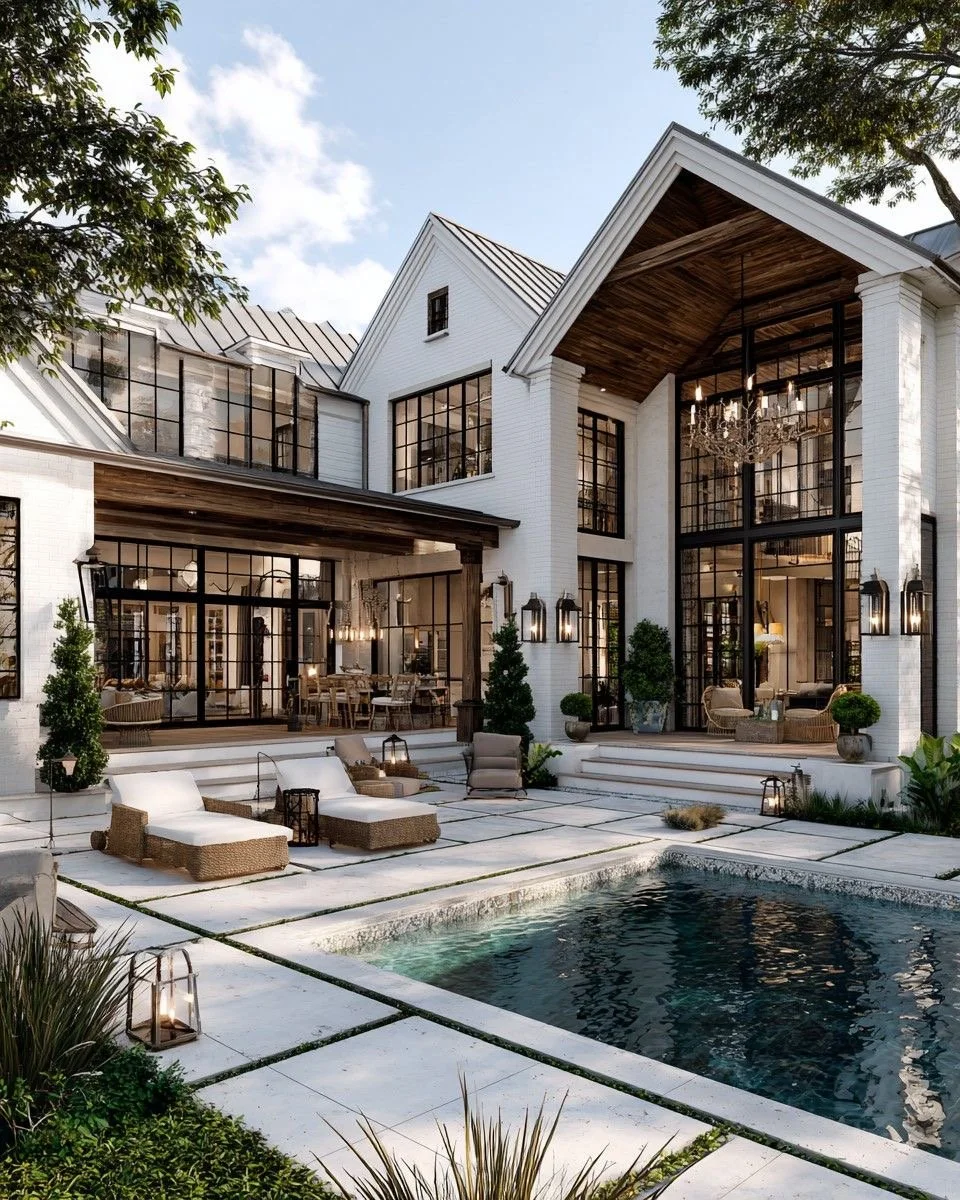
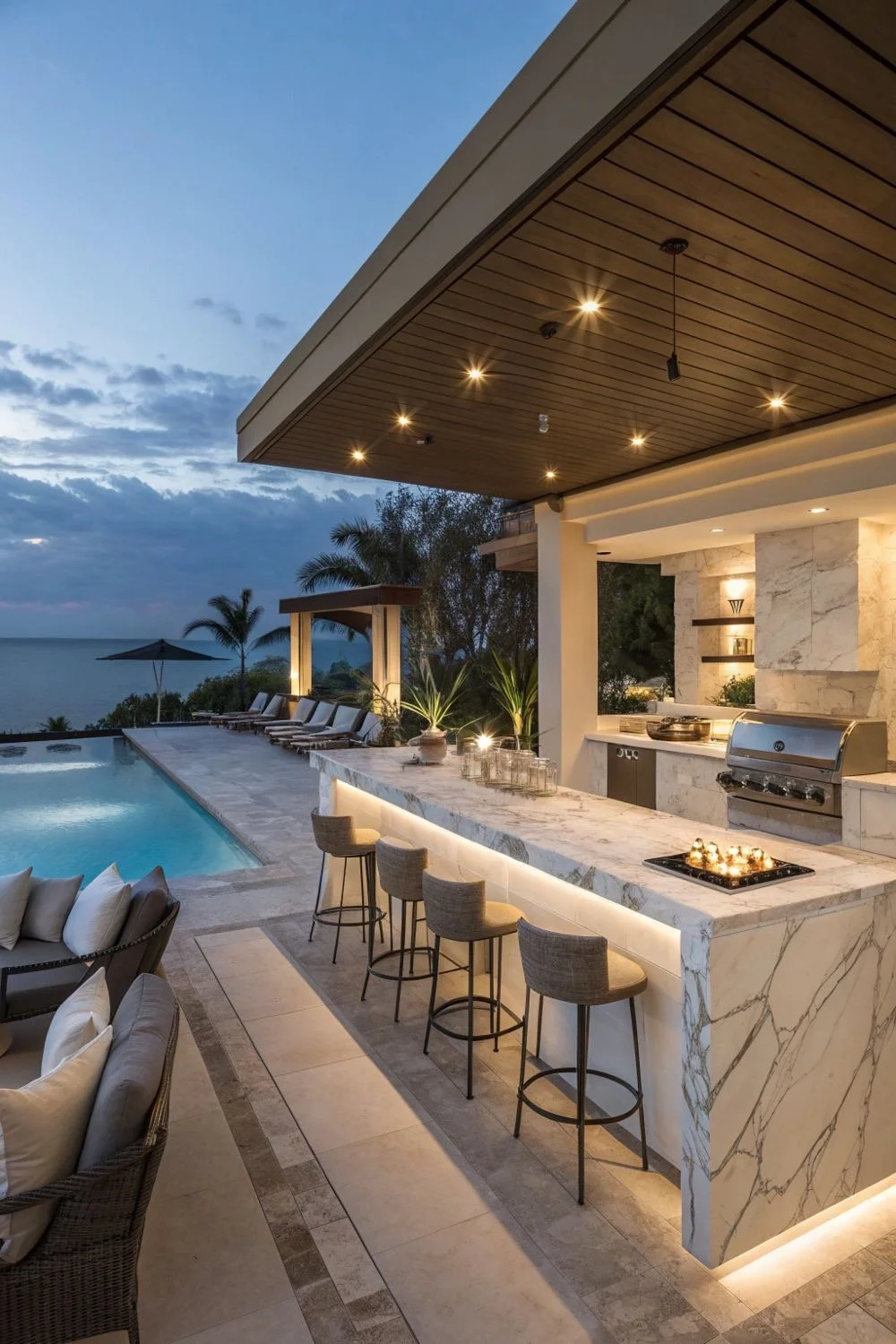
Covered exterior living rooms with the same finishes as interior spaces
Outdoor kitchens + fire features designed for year-round use
👉🏾 Imagine This:
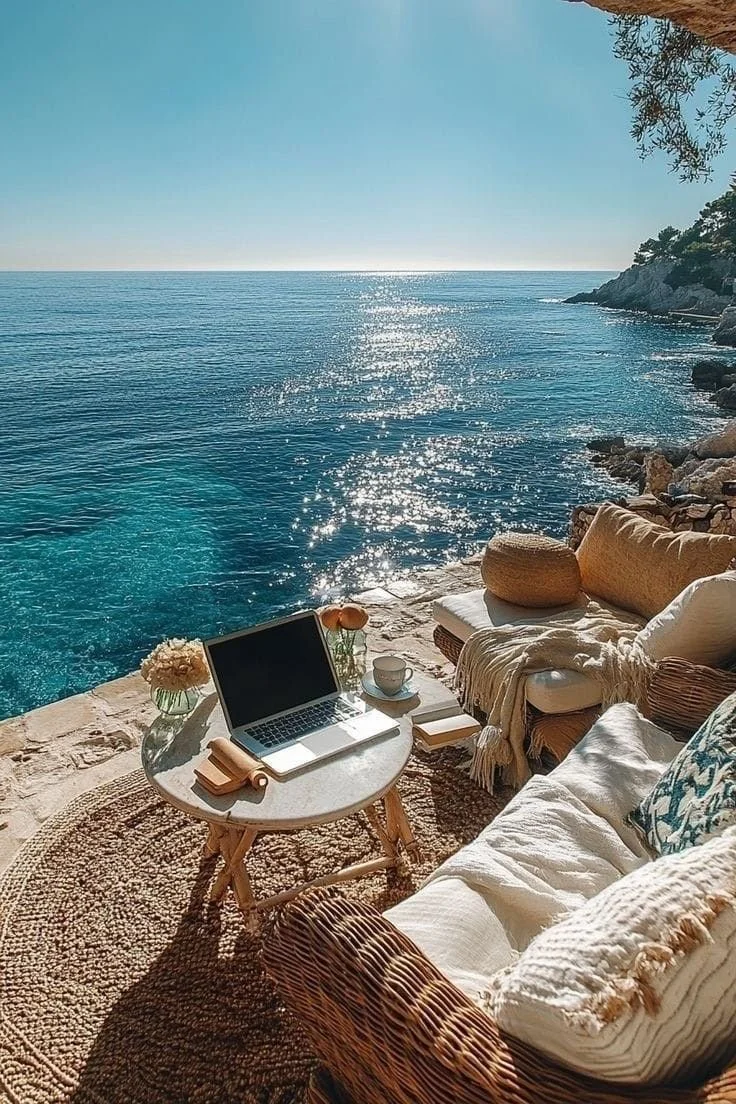
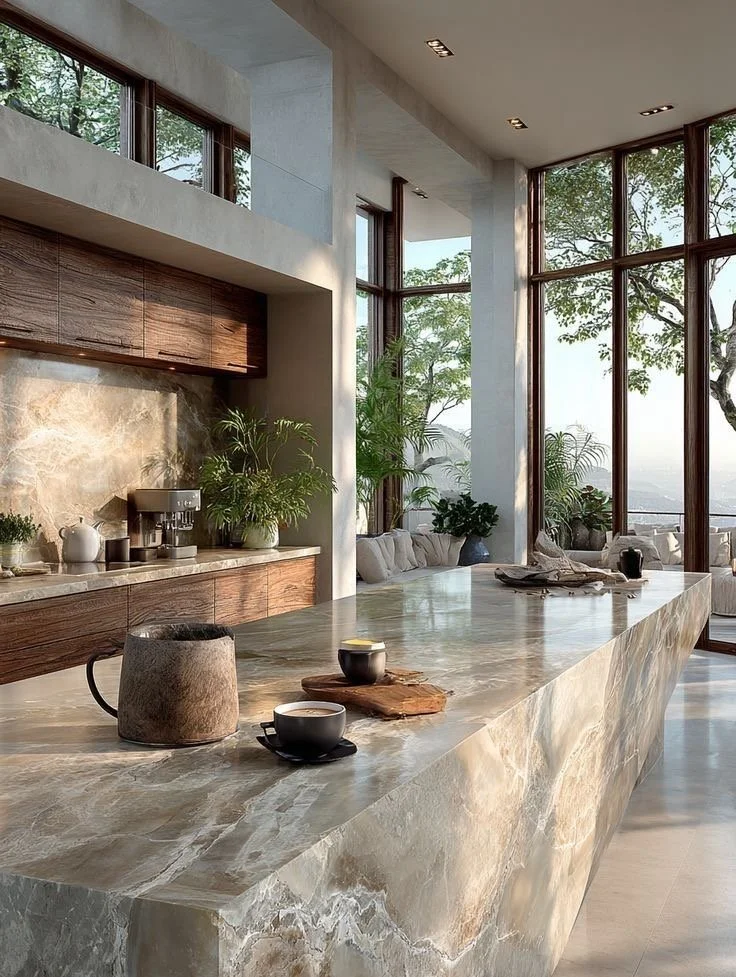
What if your morning coffee felt like a terrace in Tuscany—or a cabana in Cabo?
That's not fantasy. It's architectural intention.
Step 6: Elevate the Everyday Rituals
Luxury isn't about grand gestures alone-it's about making the ordinary feel extraordinary.
Resorts + luxury vacation rentals obsess over small moments. Your home should too.
Truly consider:
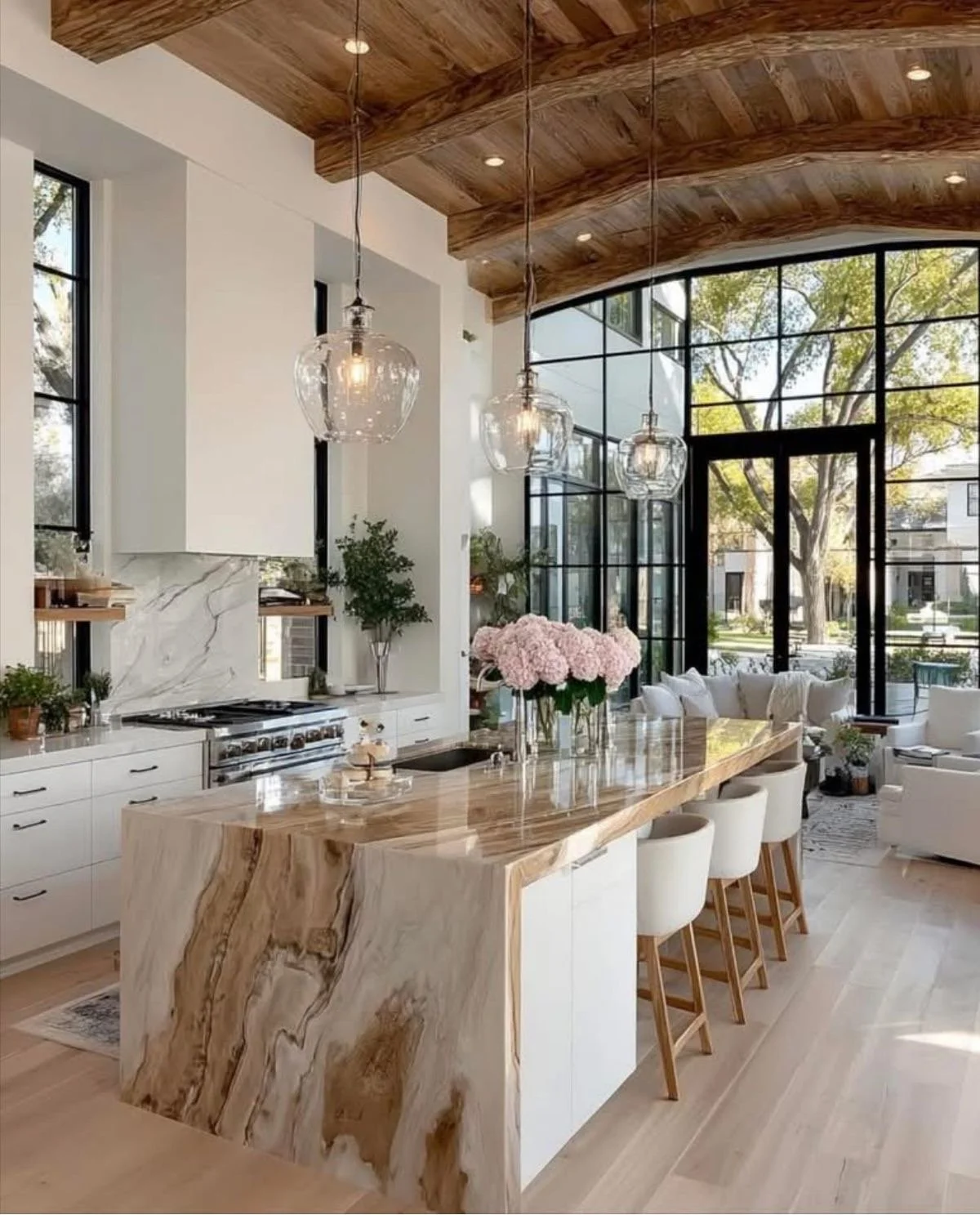
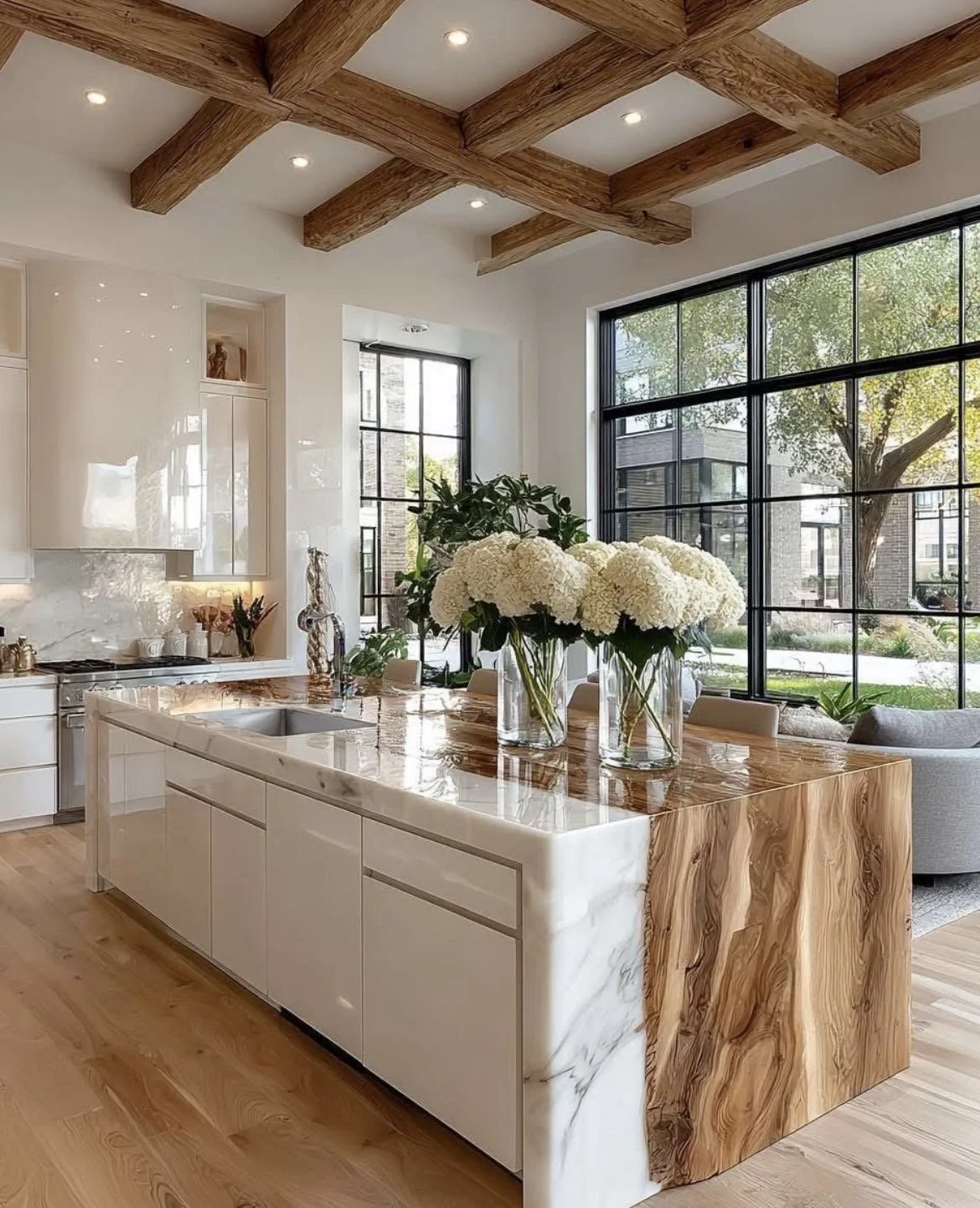
A kitchen designed like a chef's prep space, even if you cook casually
A coffee or cocktail station that feels ceremonial
Thoughtful lighting scenes for mornings, afternoons, + evenings
👉🏾 Quick Reflection:
Which daily ritual would you most love to elevate?
That's where meaningful luxury lives.
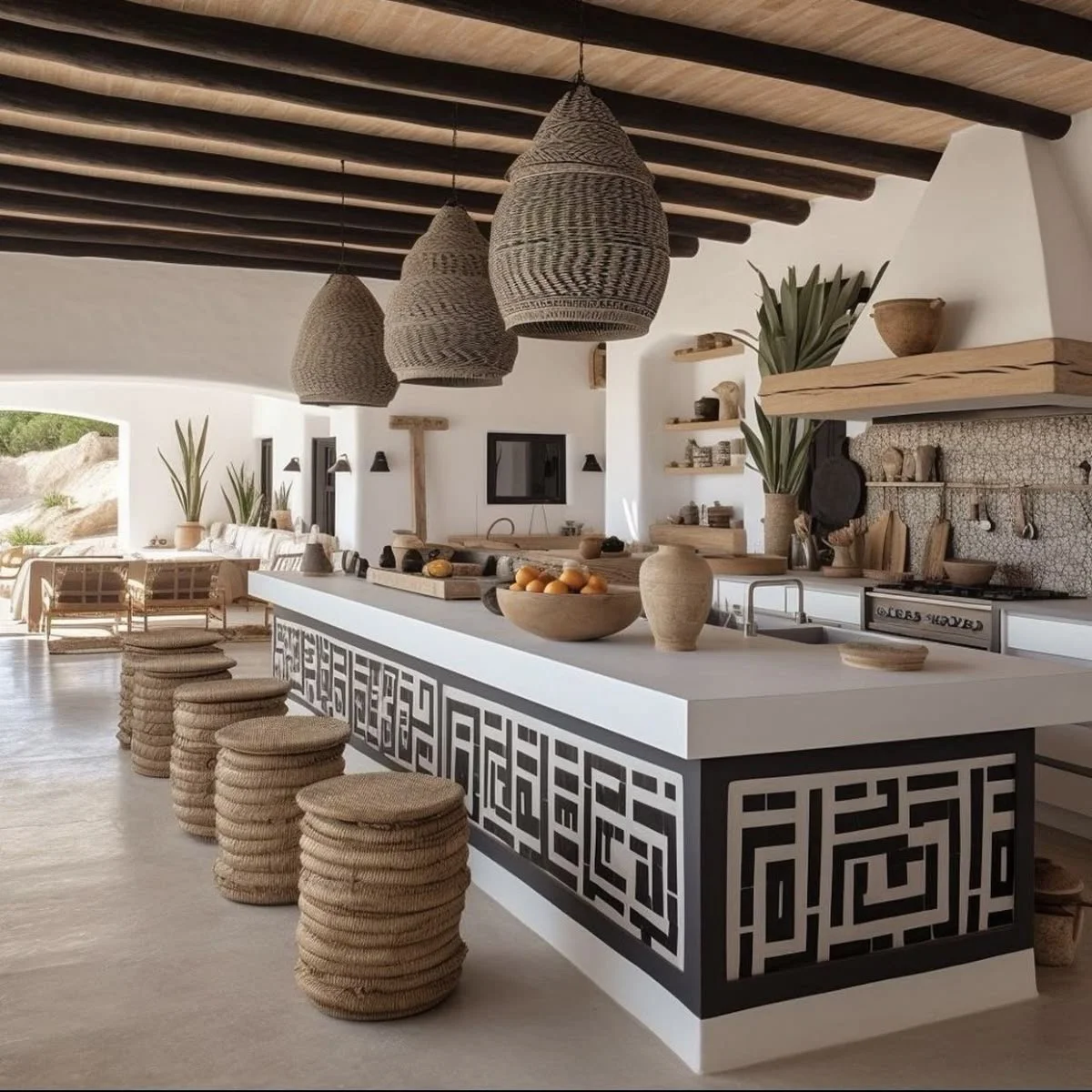
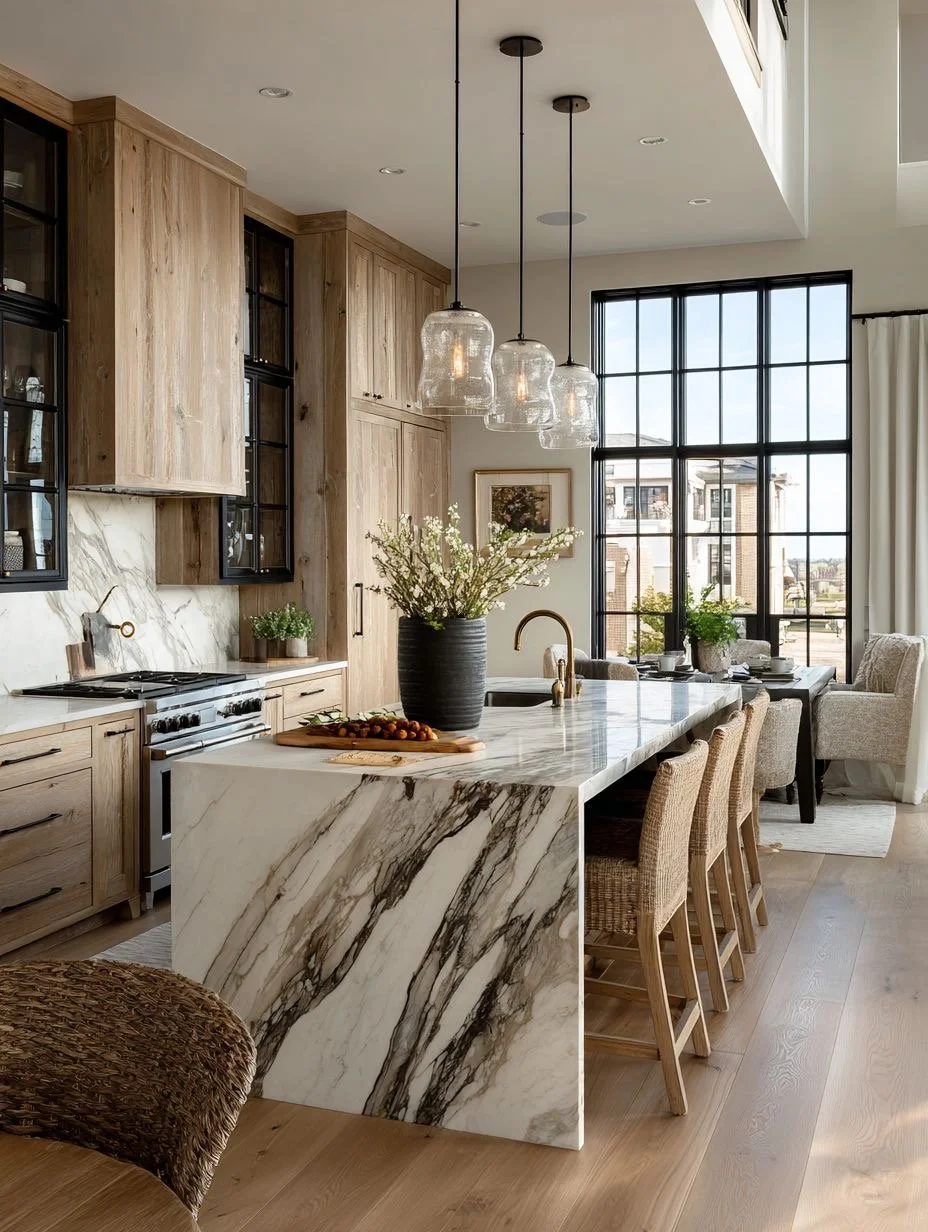
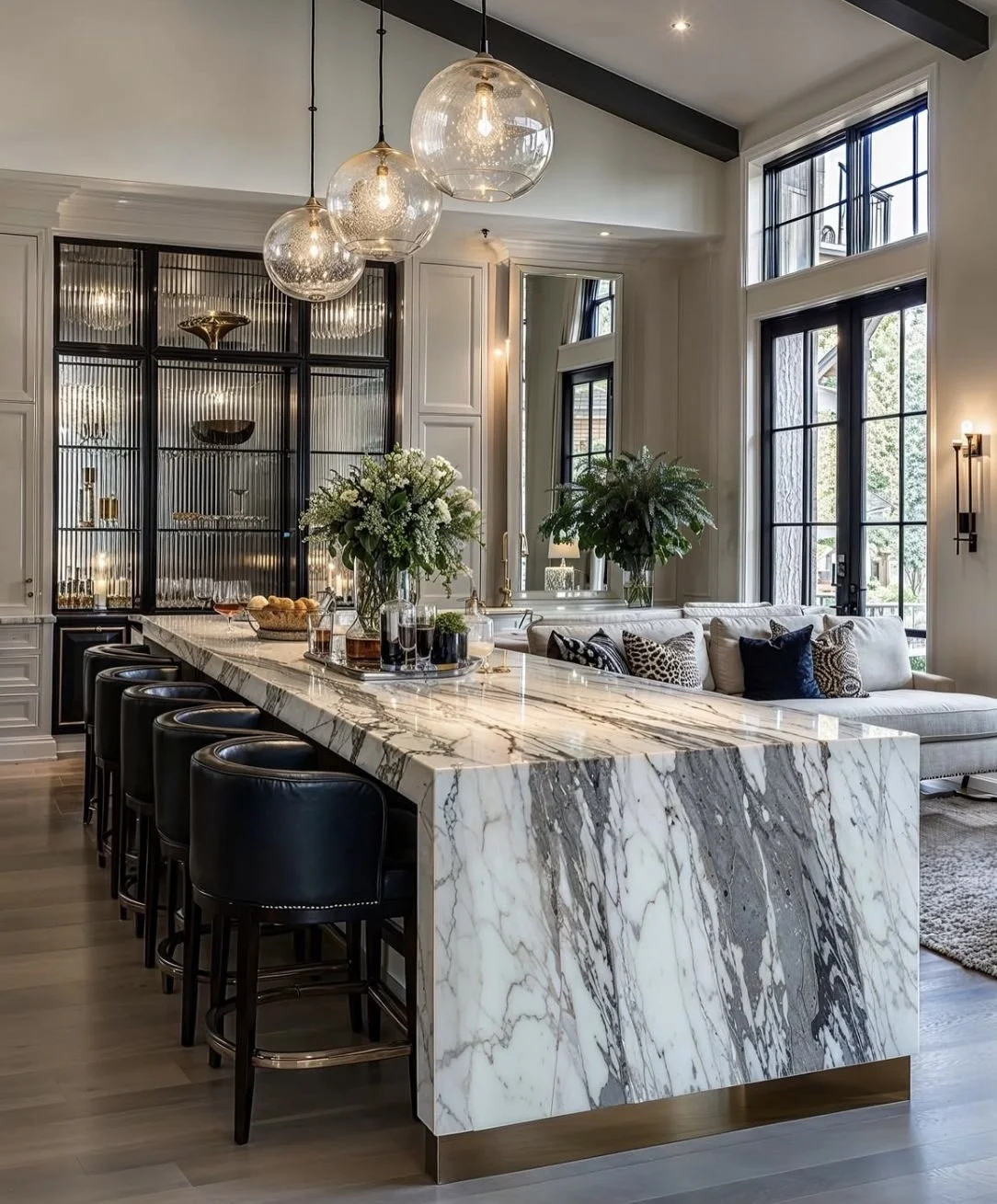
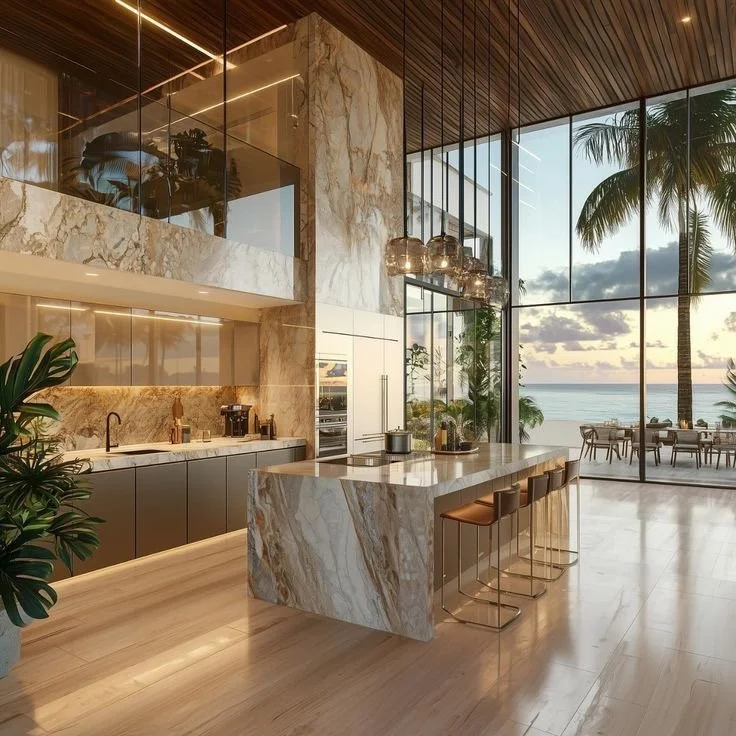
Final Thought: Design a Home That Feels Like Coming Back, Not Coming Down
The most successful resort-inspired homes don't replicate a destination-they capture a feeling.
As an architectural designer, my role is to translate your experiences, travels, + aspirations into spaces that support how you want to live-not just how you want your home to look.
When done well, your home becomes:
A sanctuary
A retreat
A daily reminder of the life you've intentionally designed
And the best part?
You never have to check out.
“True story….that’s MY purpose!”

That part! I thoroughly enjoyed our time together as always. Your energy keeps pushing me + I will forever be grateful. 🙏🏾
Until next time…
Live.Love.Design.
xo Renae
(All pics are courtesy of my Pinterest)
Designing for the Senses: luxury residential architecture that cultivates calm, comfort, + connection….
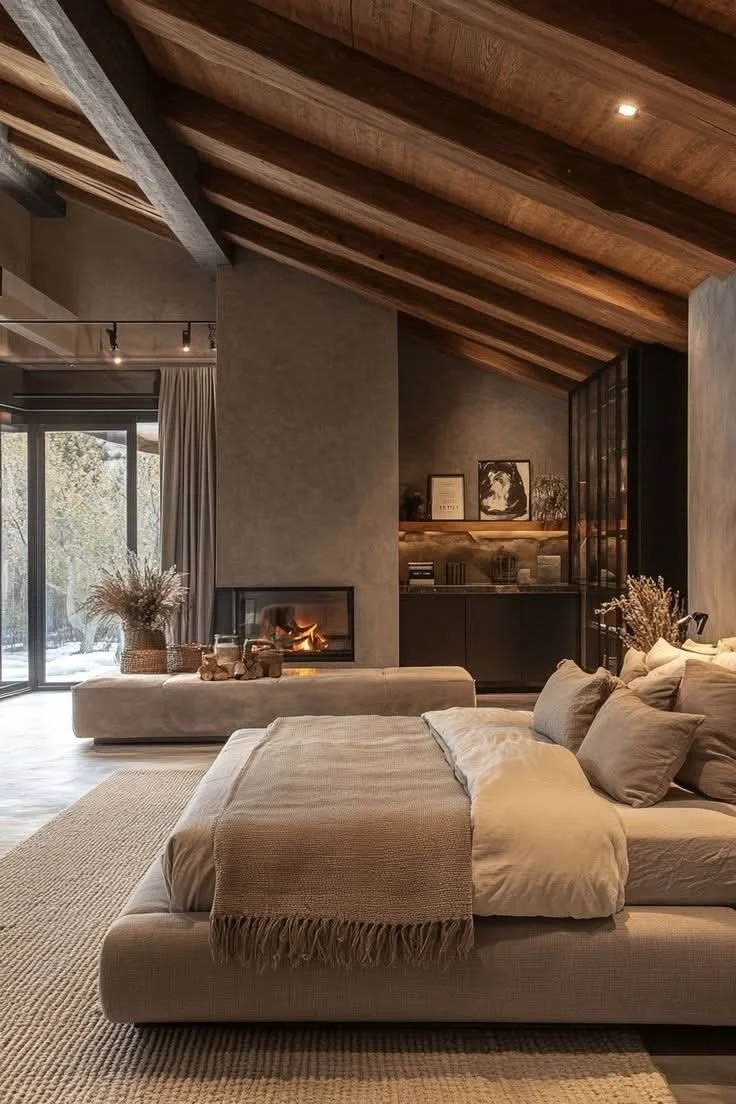
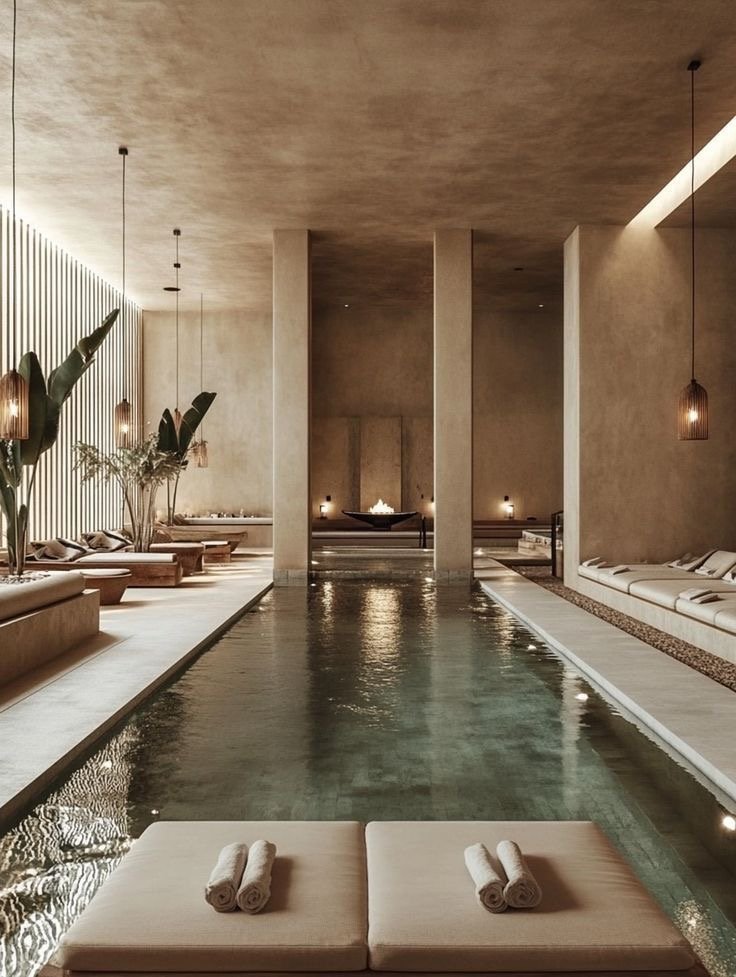
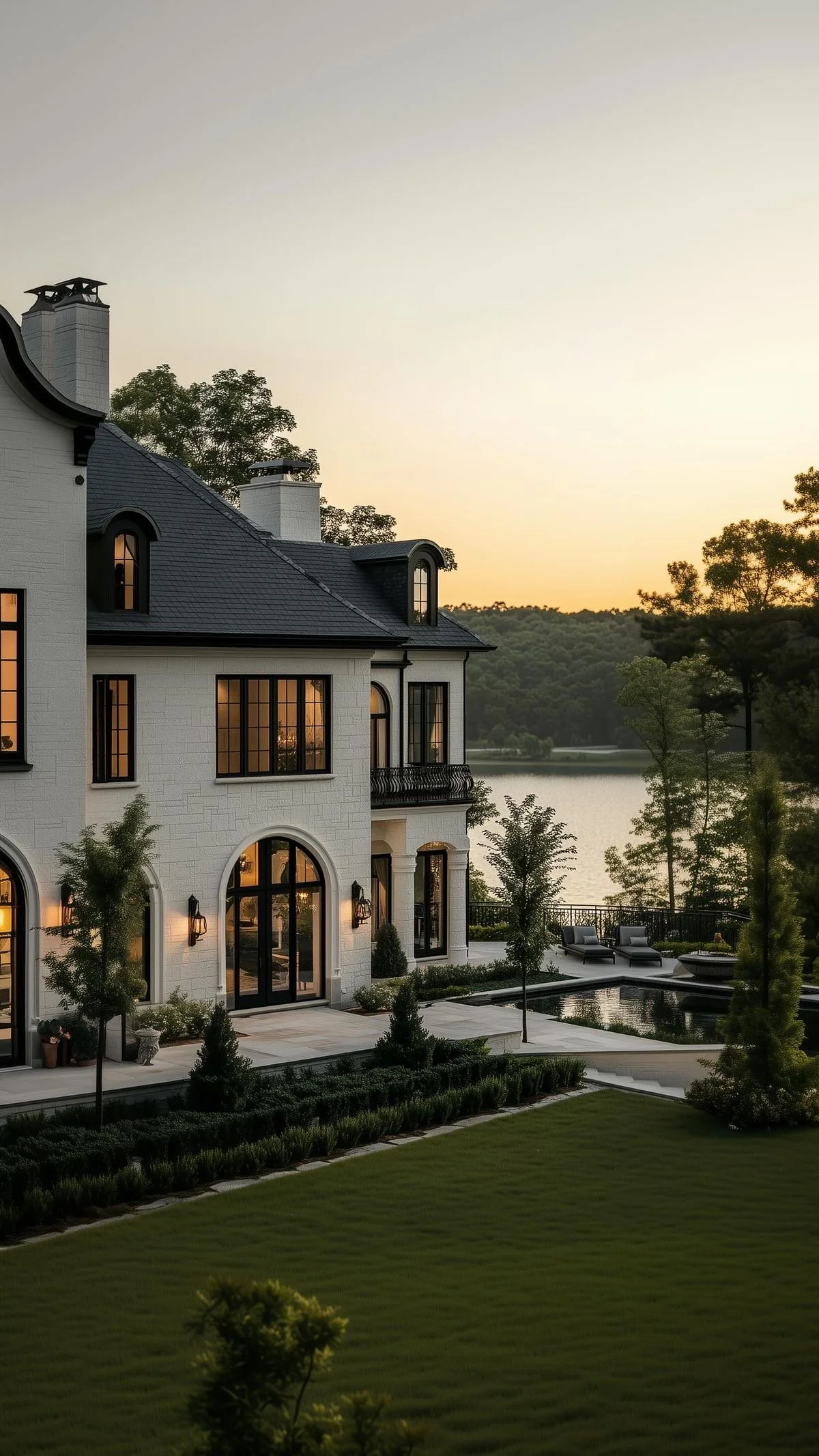
In today's most refined residences, luxury is no longer measured by size or spectacle alone. For discerning homeowners, the true hallmark of luxury residential architecture is how a home feels— how it restores calm, enhances comfort, + supports meaningful connection.
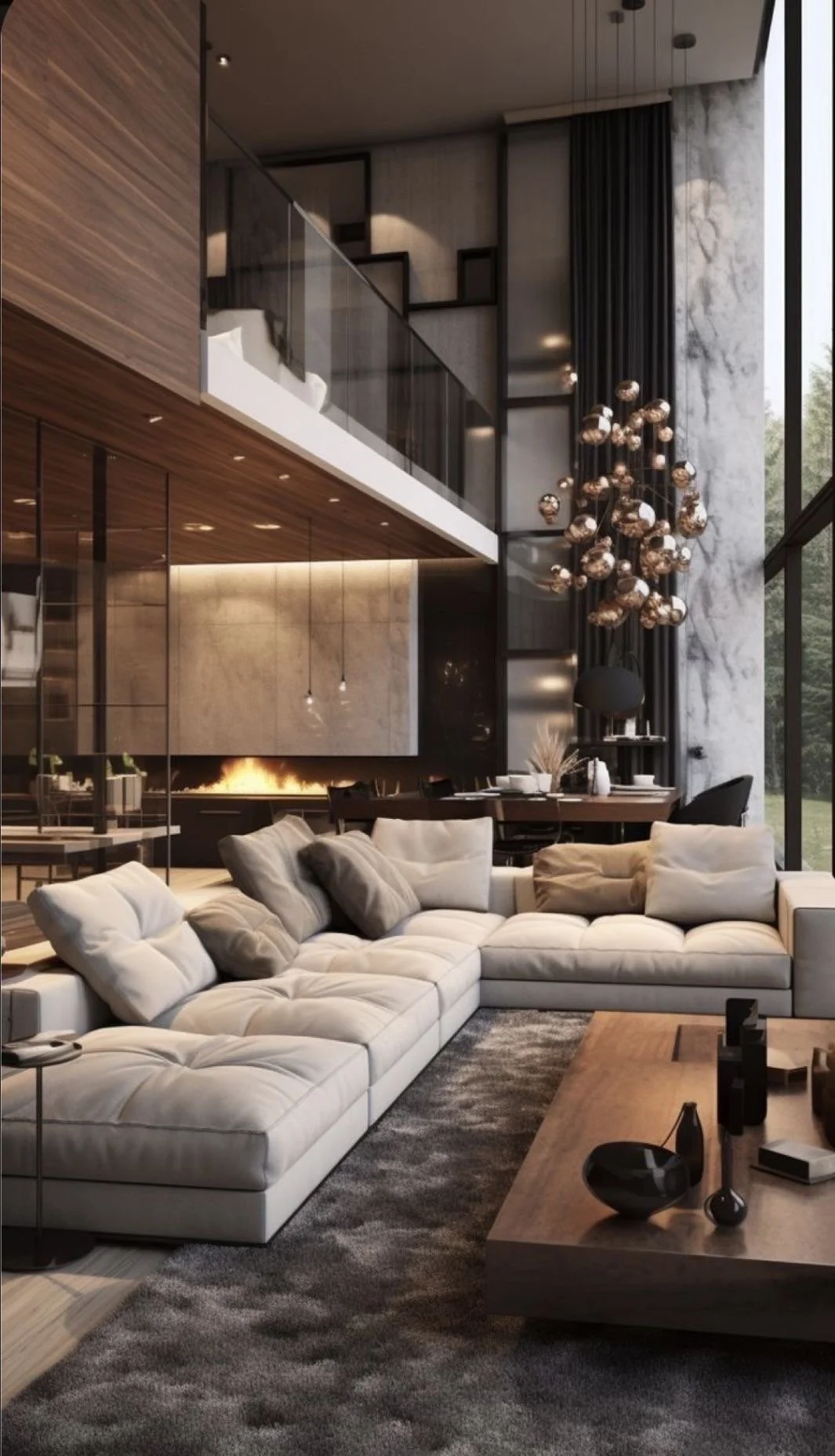
In today's most refined residences, luxury is no longer measured by size or spectacle alone. For discerning homeowners, the true hallmark of luxury residential architecture is how a home feels— how it restores calm, enhances comfort, + supports meaningful connection.
As a seasoned architectural designer specializing in high-end home design, l've seen a distinct shift: clients are no longer asking only for beautiful spaces; they are asking for homes that support well-being, longevity, + everyday ease. This is where wellness-focused design becomes essential—not as a trend, but as a philosophy. Our philosophy. Our authenticity. We are definitely listening + executing. #YesIndeed
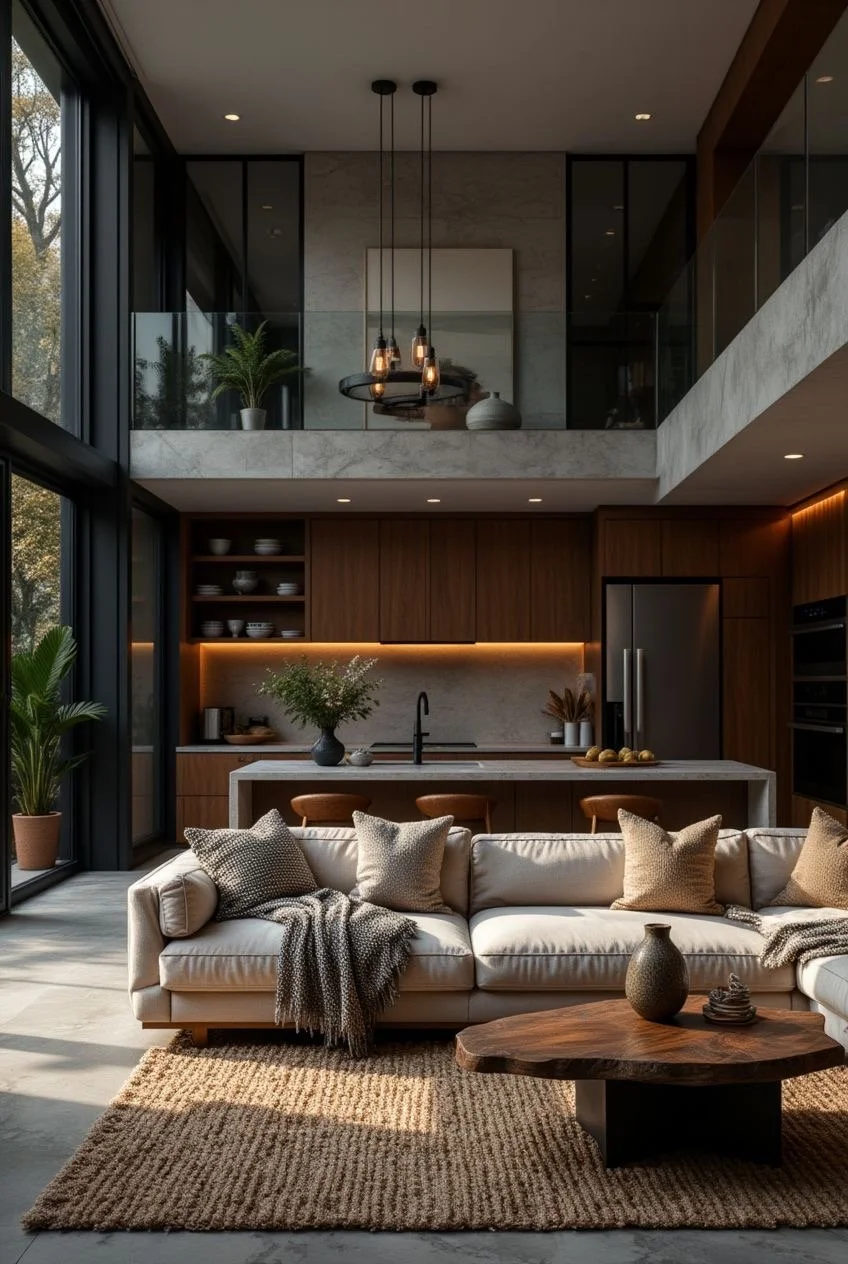
The evolution of luxury: from visual impact to sensory experience:
Traditional architectural design often prioritizes visual appeal. Elevated residential design goes further, engaging all five senses to create homes that feel intuitive, restorative, + deeply personal. I know you’ve heard me repeat this time + time again; this is extremely imperative if you want the best outcome possible.
The most successful high-end homes:
Reduce stress the moment you arrive
Feel effortless rather than performative
Support both vibrant entertaining + quiet retreat
This is the foundation of wellness-driven luxury design. Each + every time. #TrustTheProcess
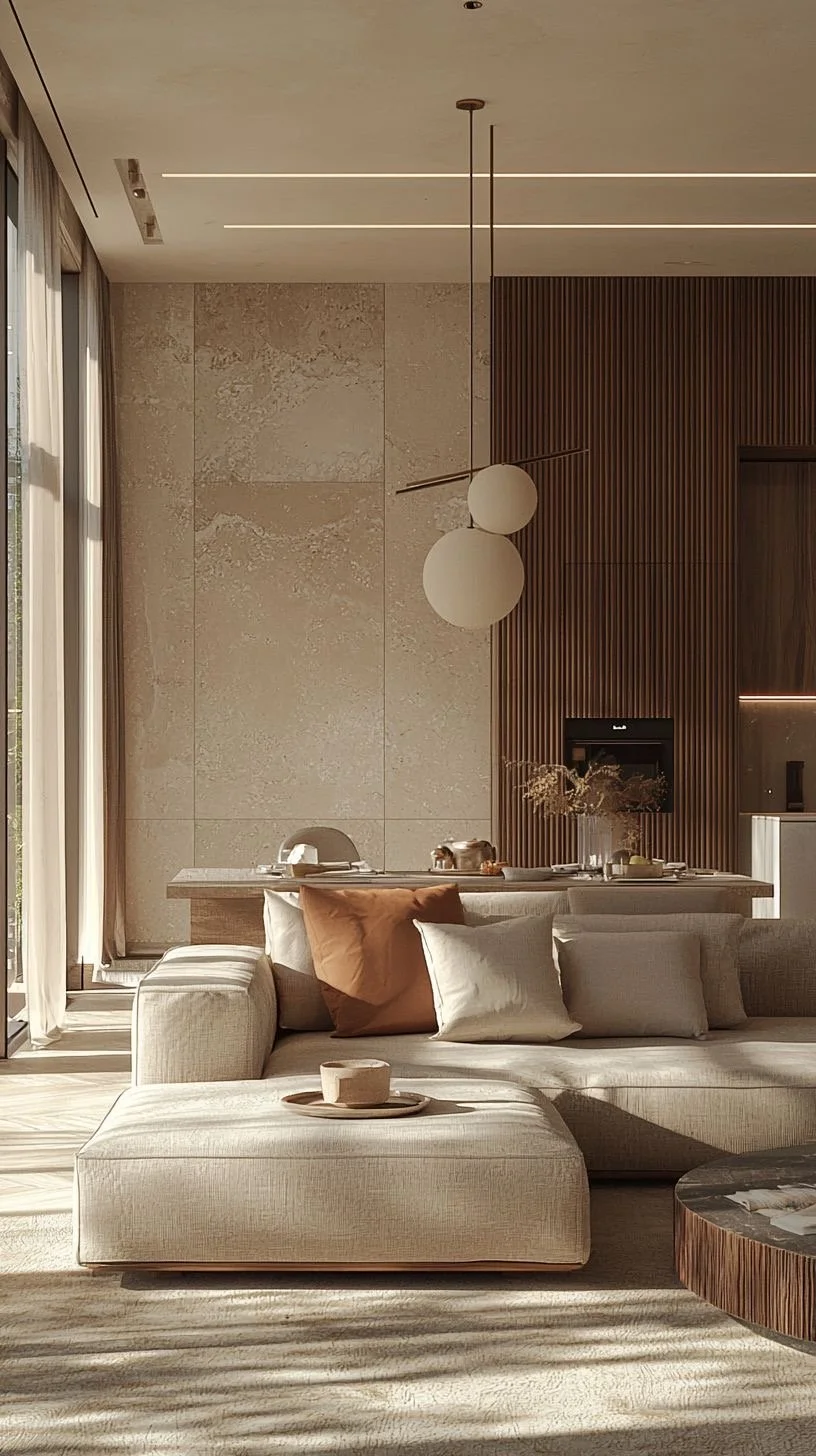
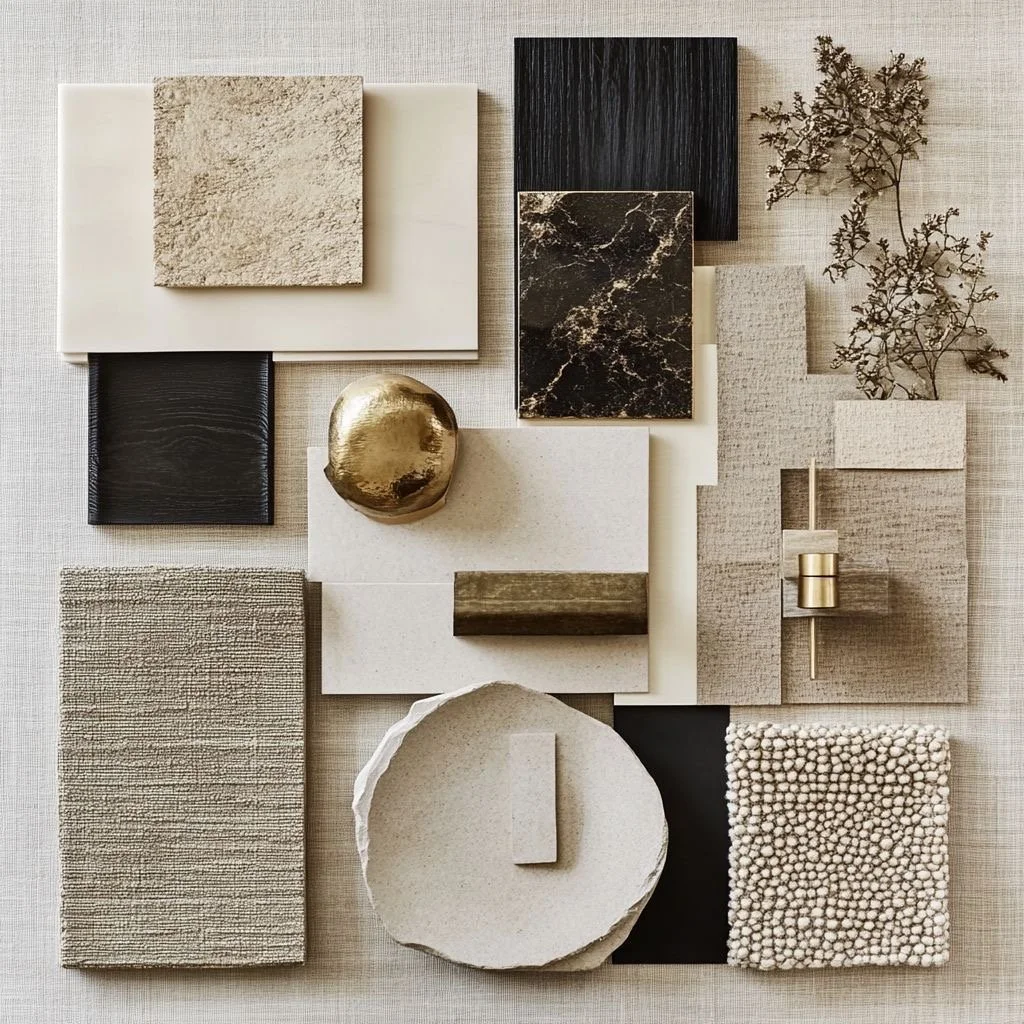
Visual calm in high-end home design:
In luxury residential architecture, visual comfort is achieved through restraint + intentionality rather than excess. Editing is our biggest helpmate within every project.
Key strategies include:
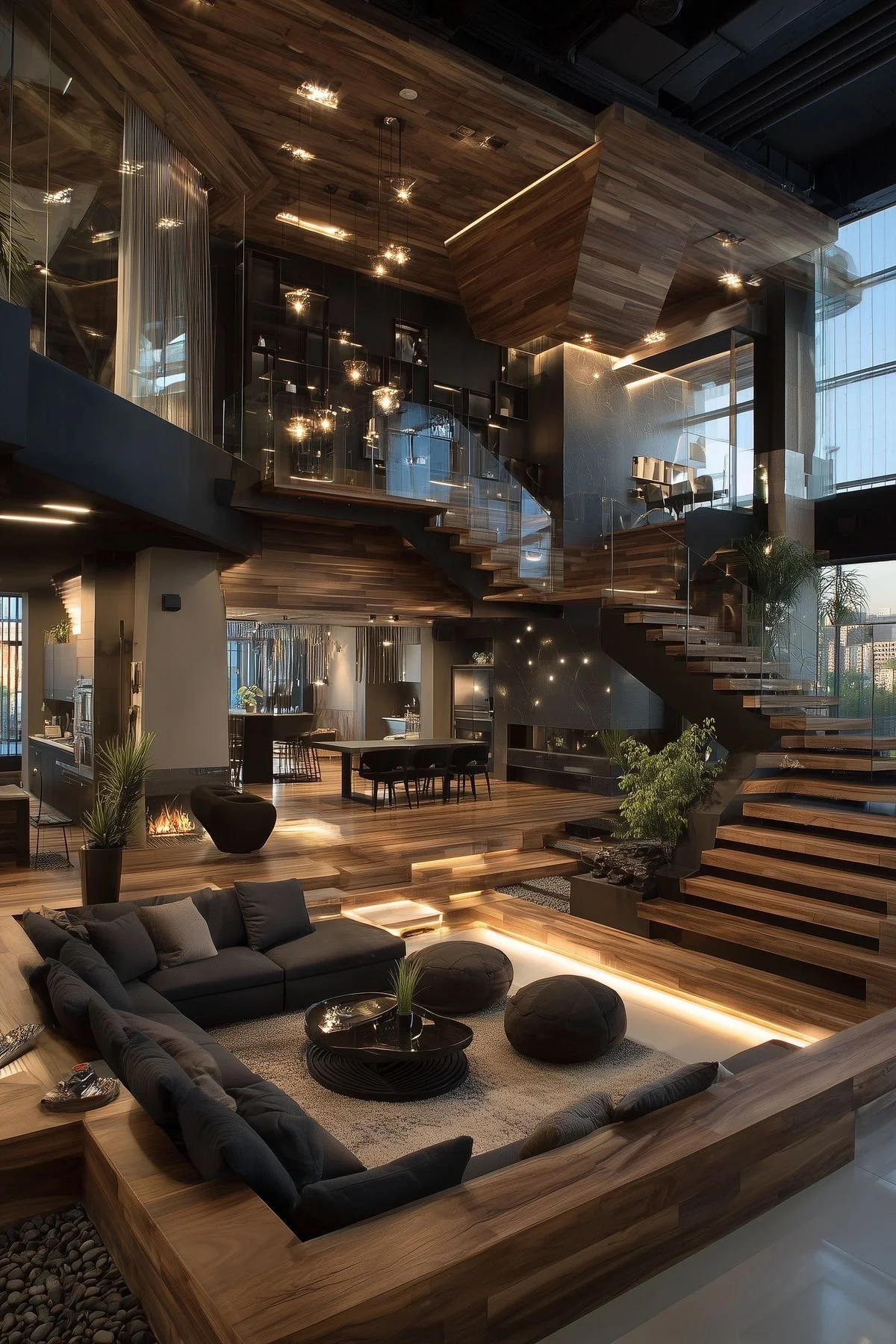
Thoughtful proportions that feel balanced + timeless
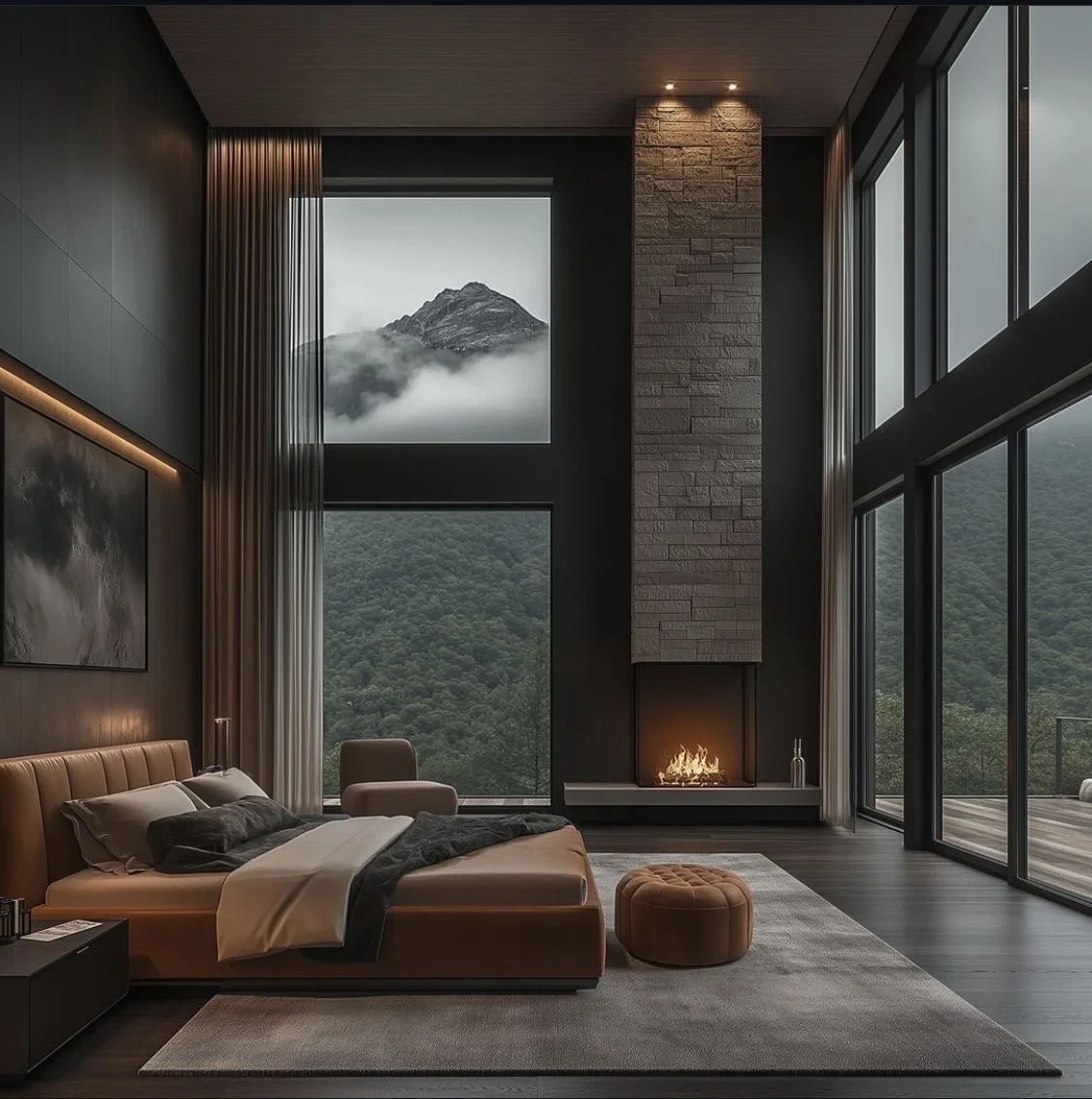
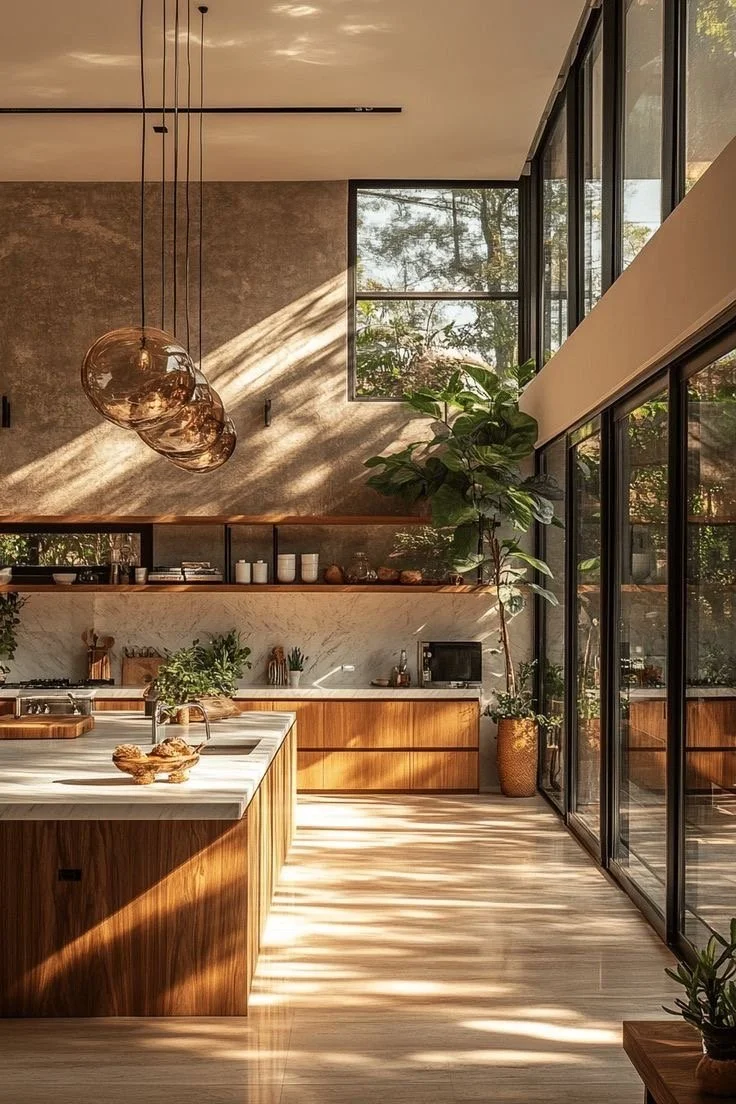
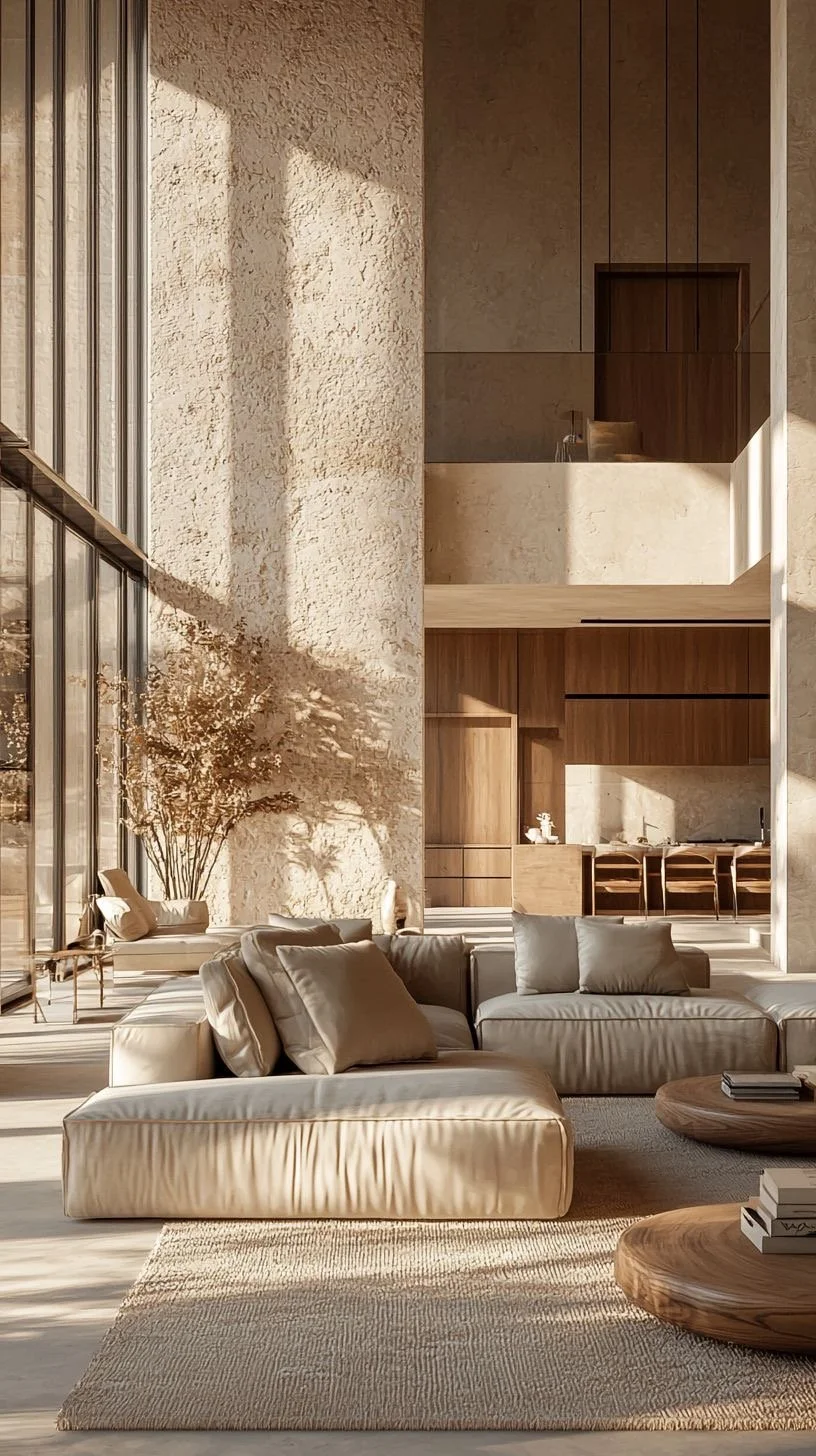
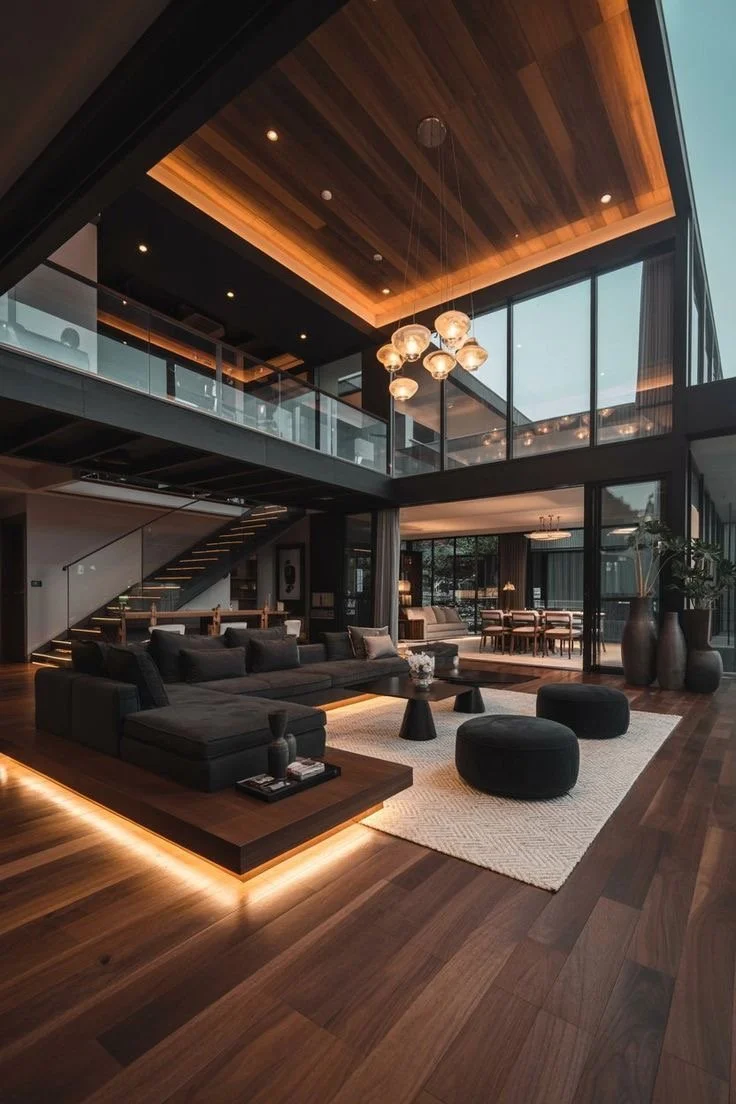
Layered natural light that evolves throughout the day
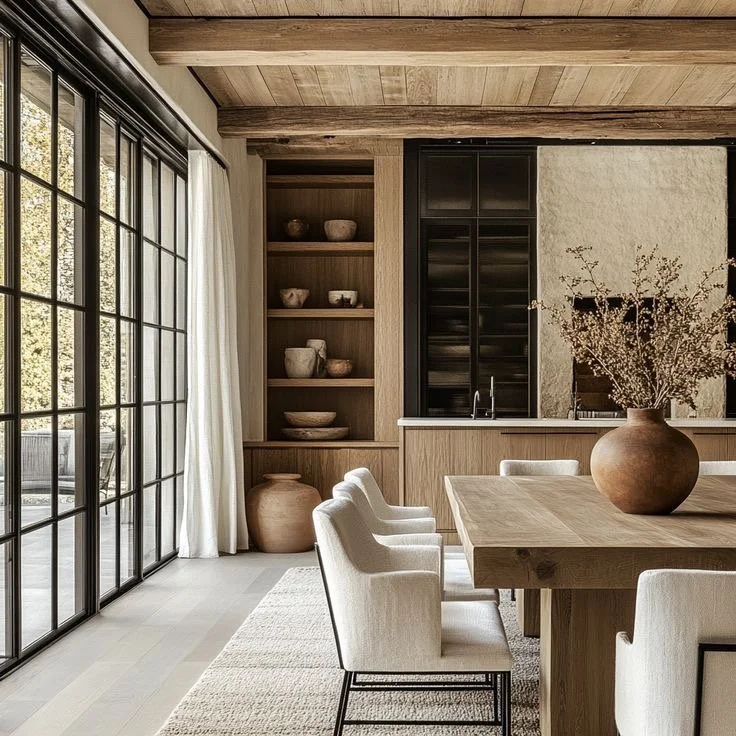
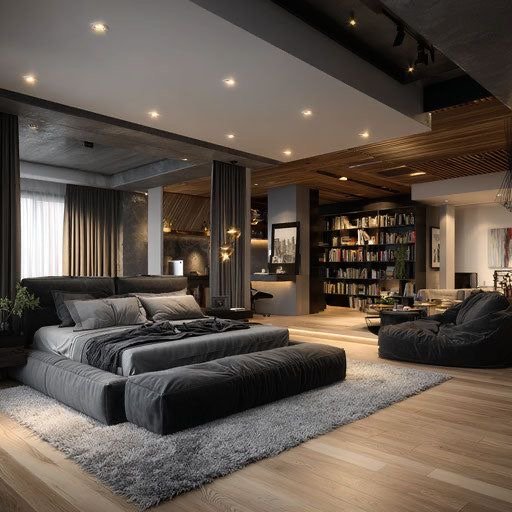
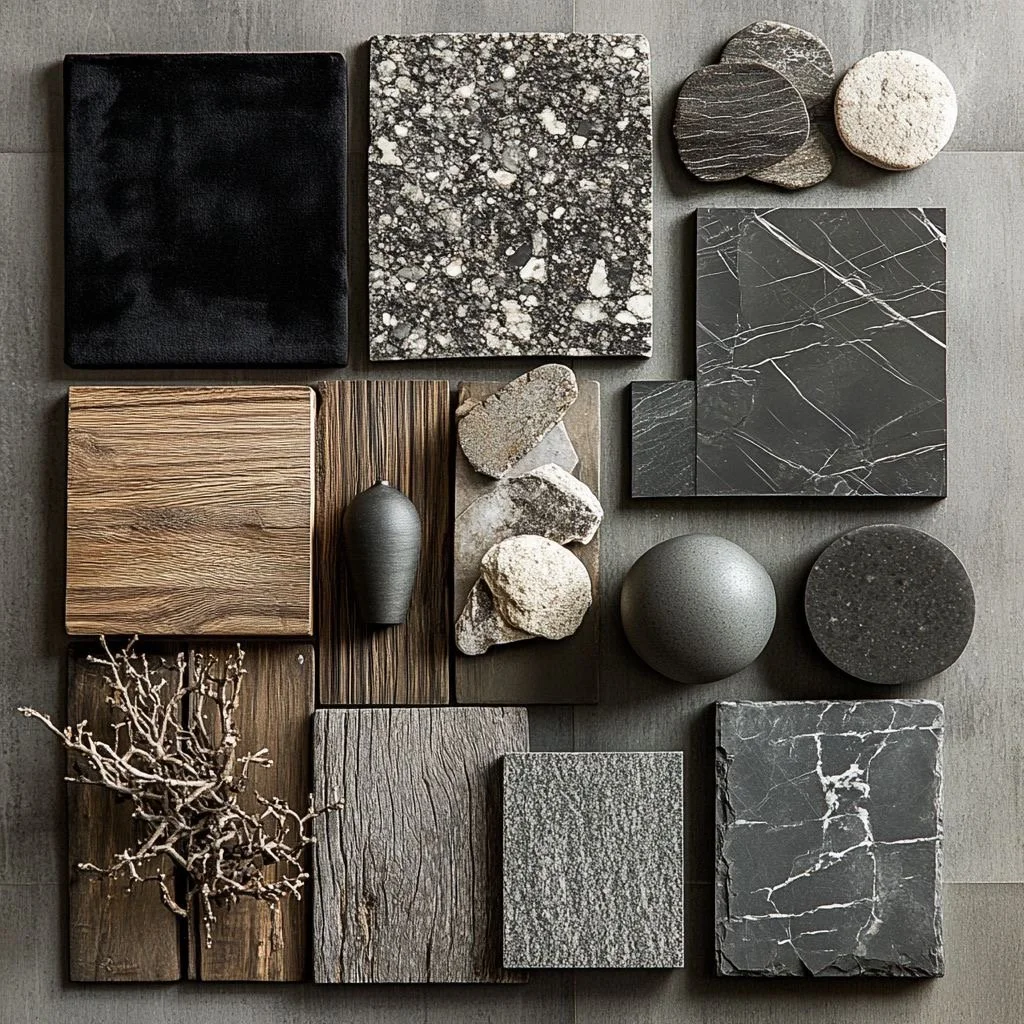
Cohesive material palettes that allow the eye to rest
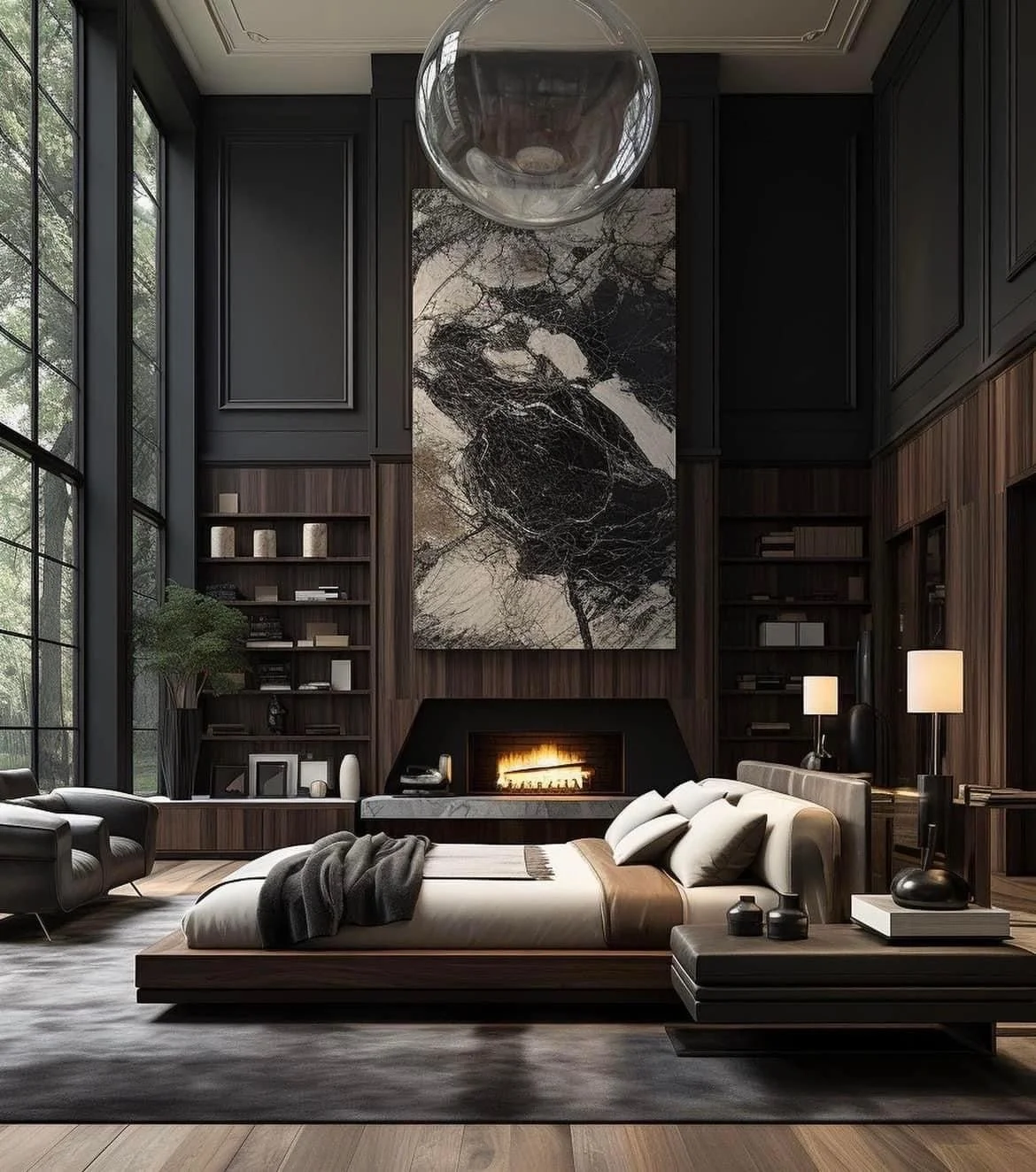
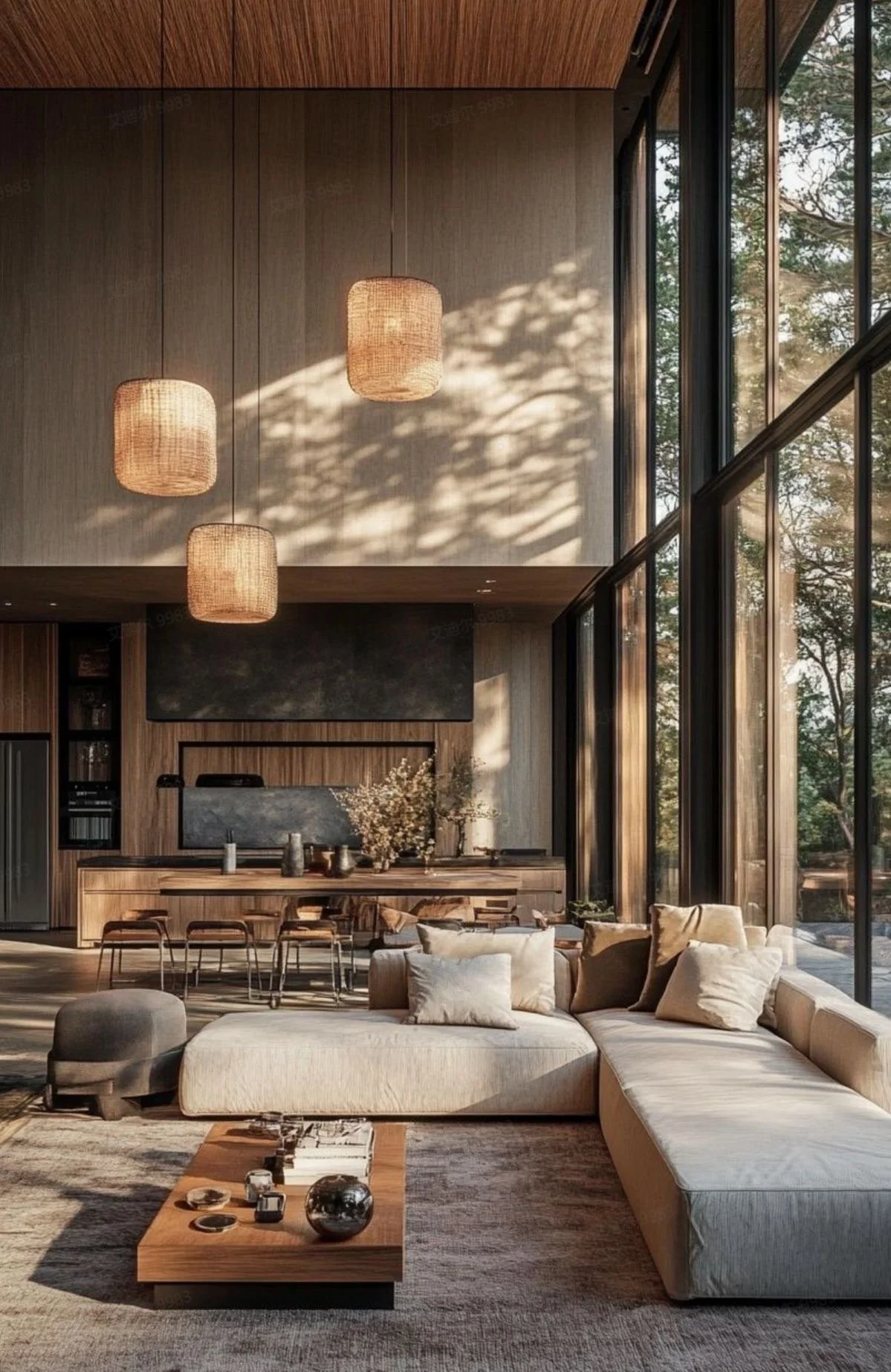
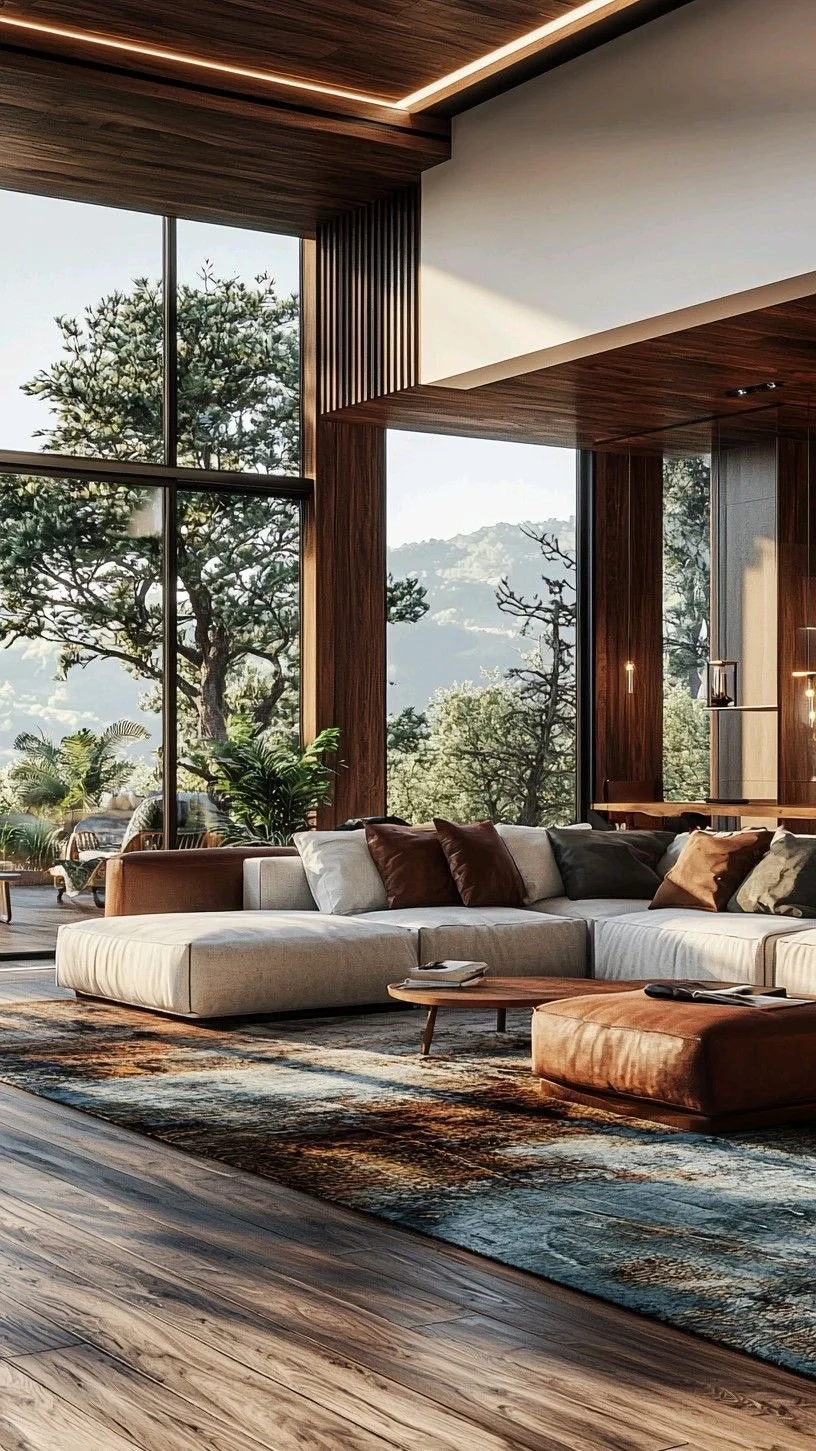
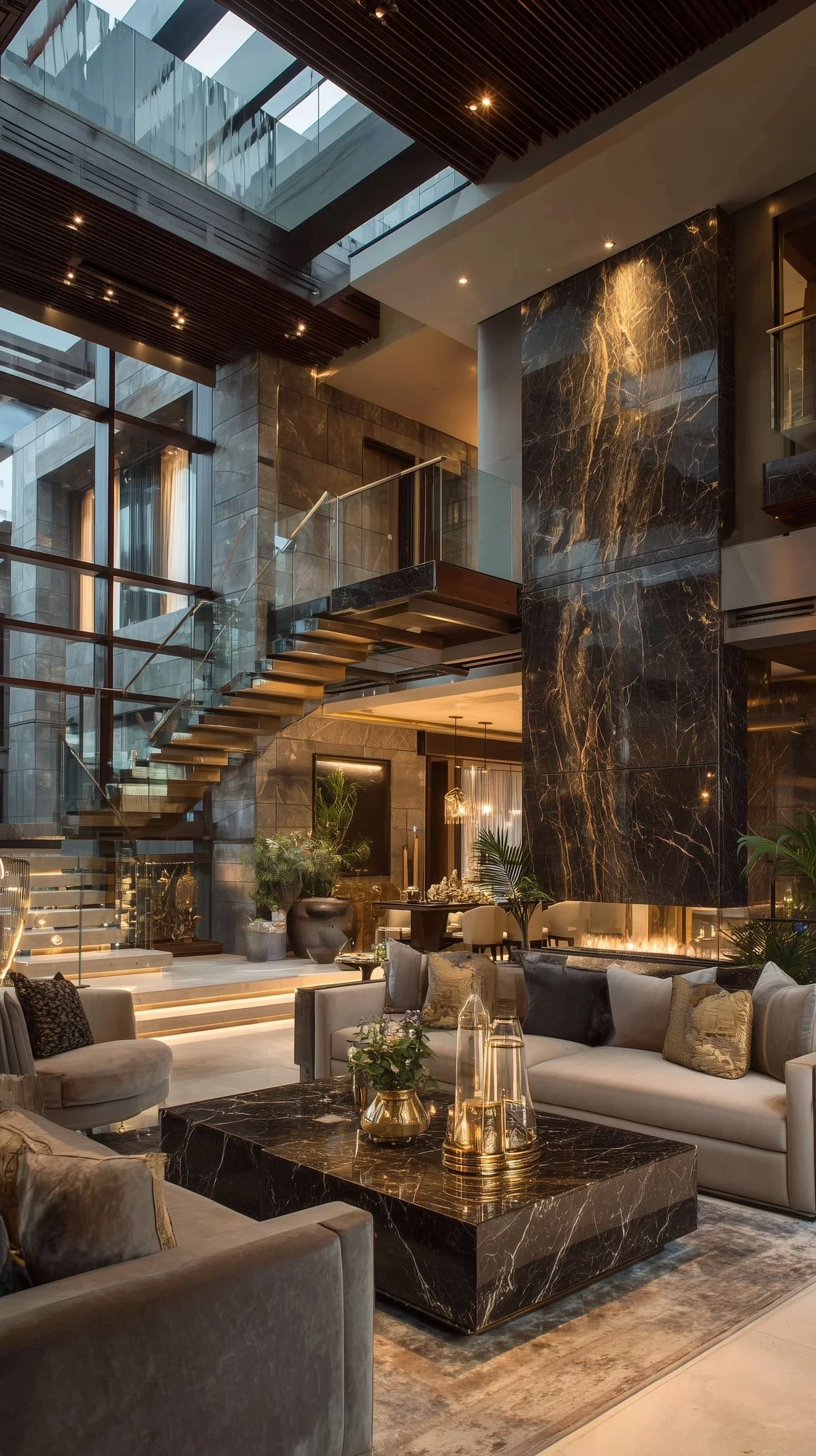
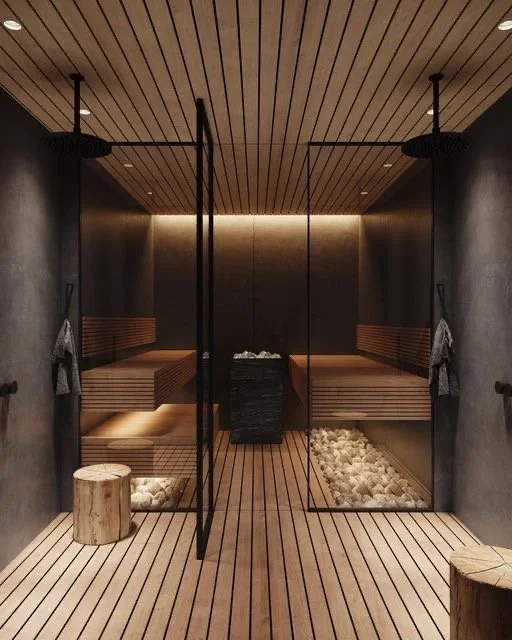
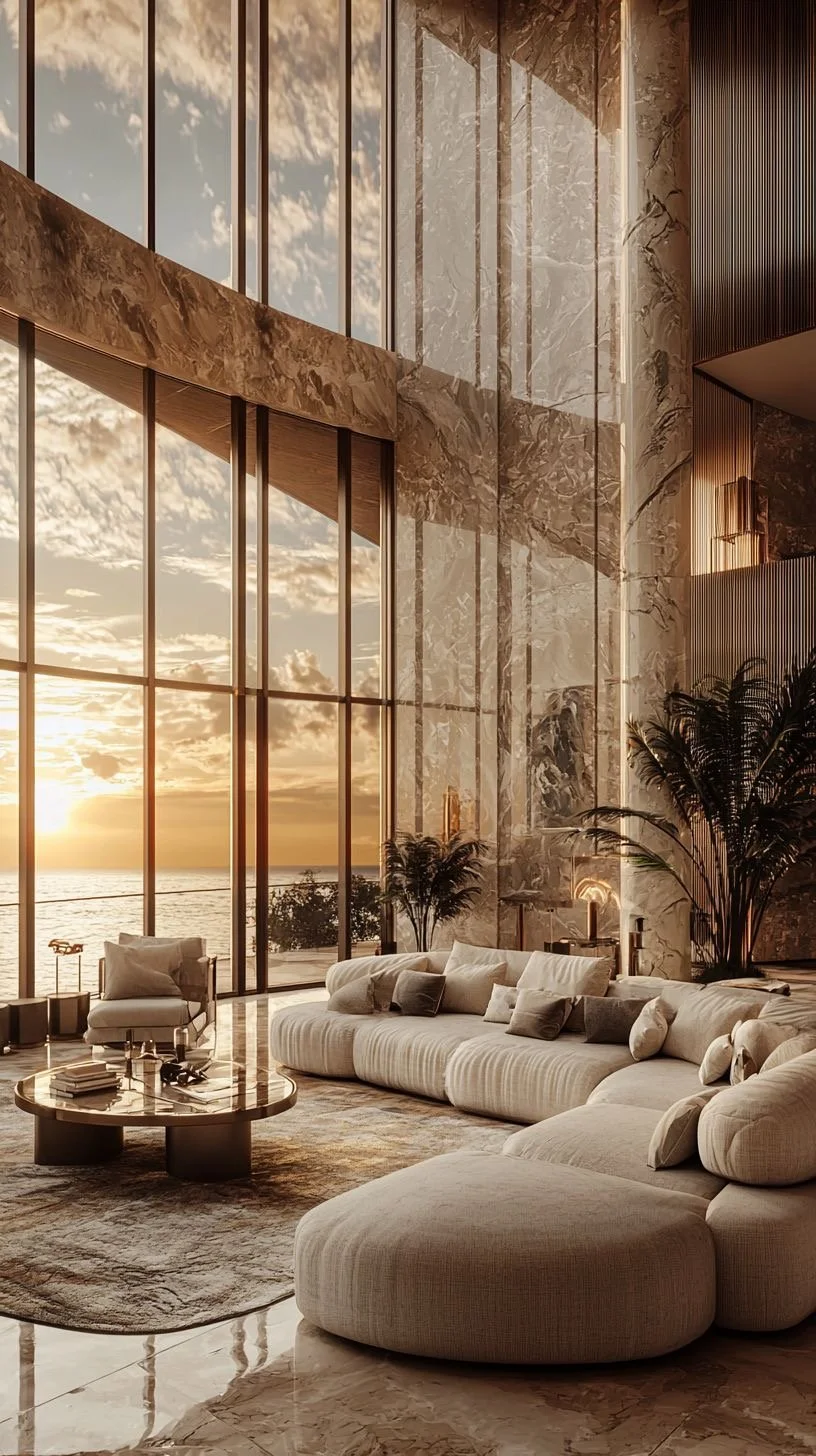
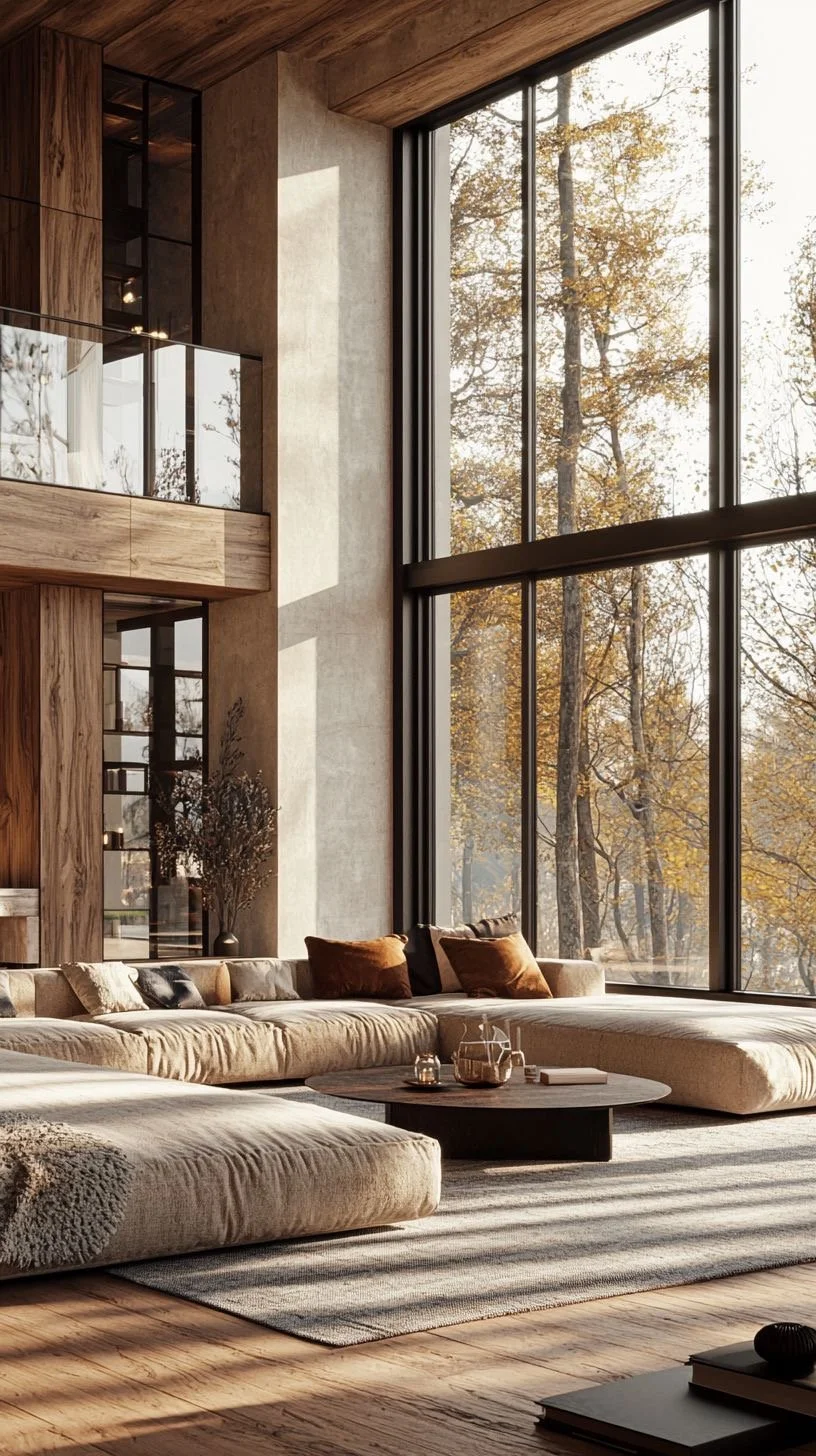
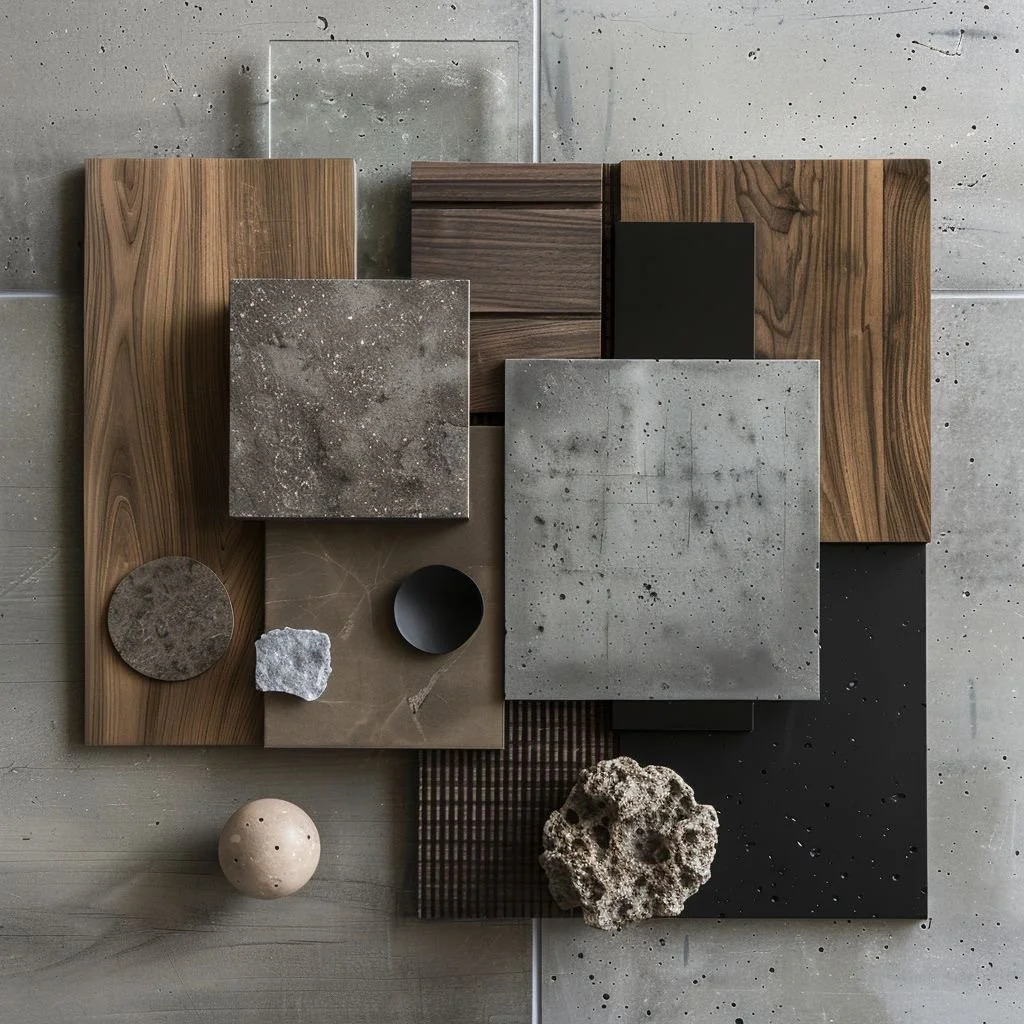
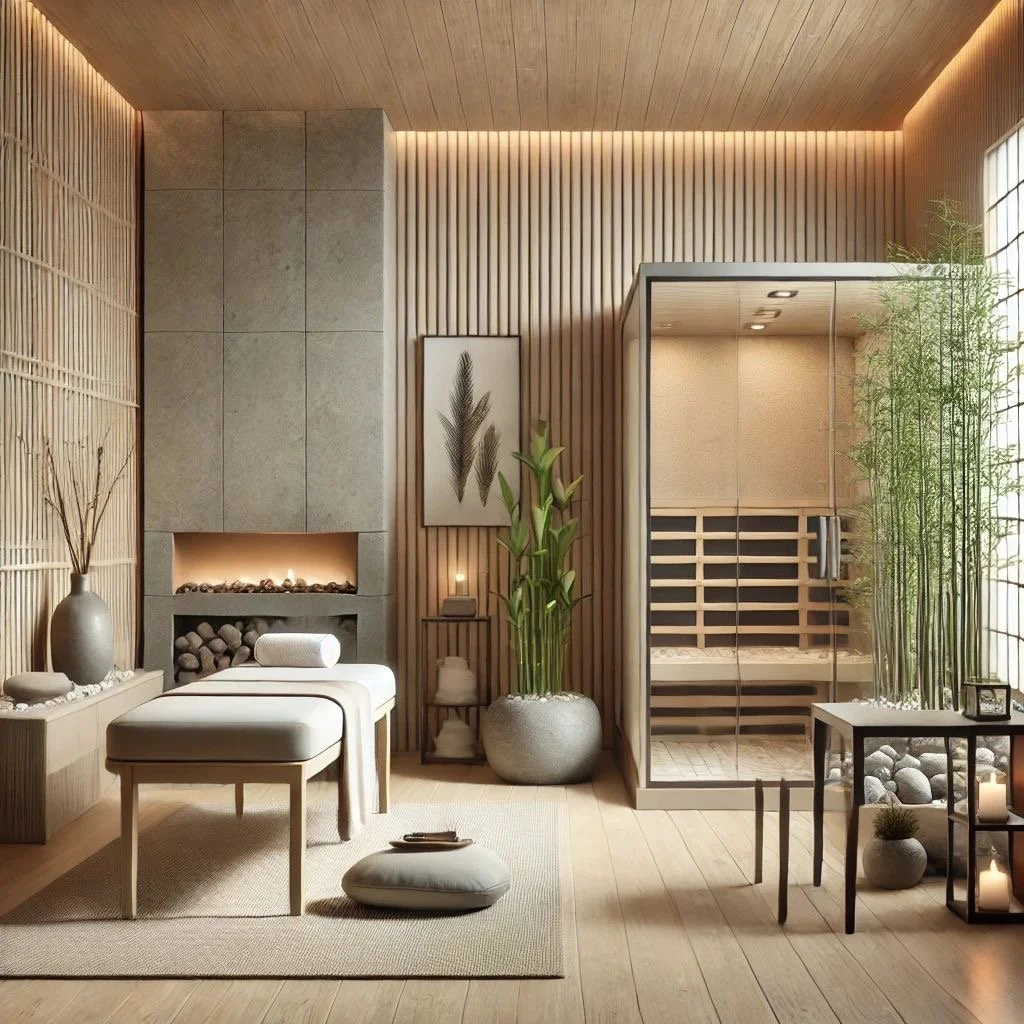
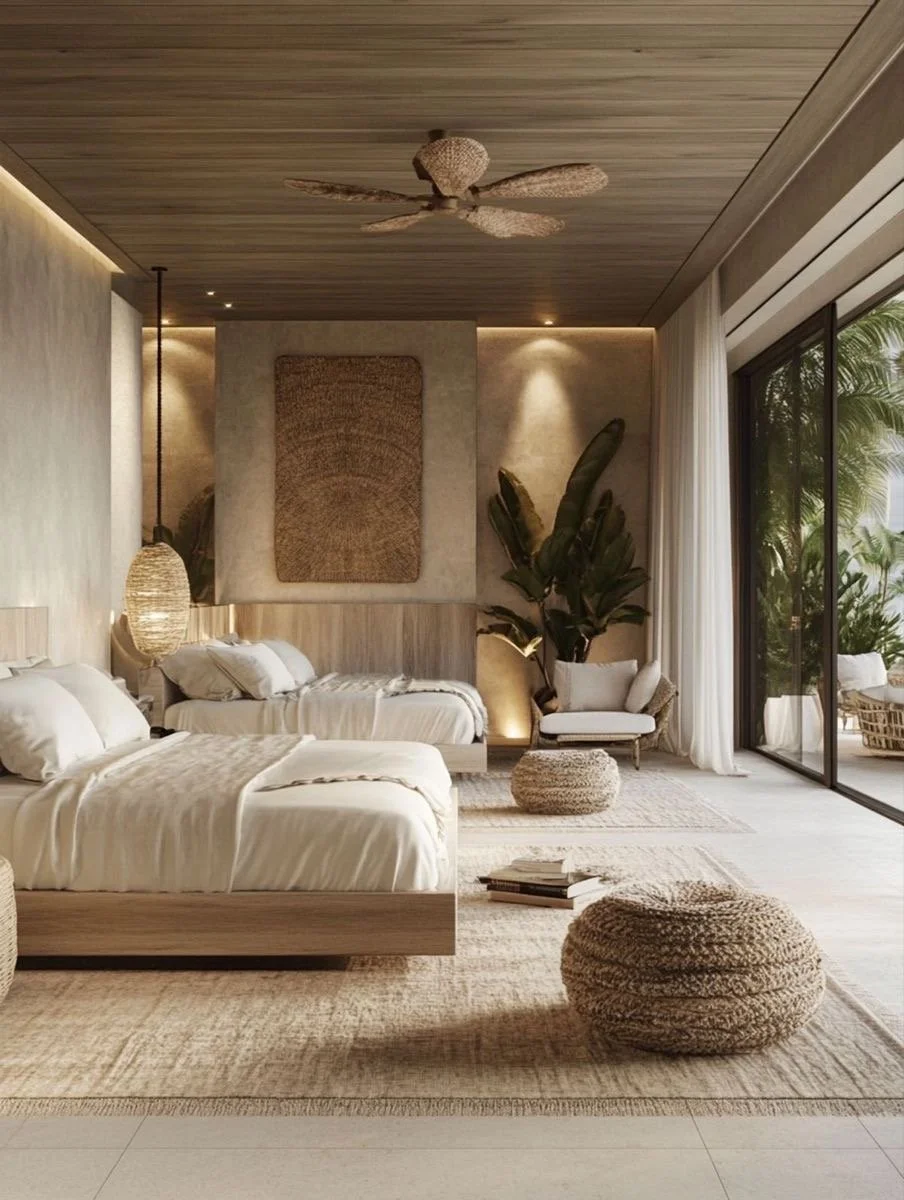
Neutral tones-warm stone, natural wood, soft plaster—create depth without visual clutter. When paired with clean architectural lines, they result in spaces that feel both elevated + emotionally grounding. That does not always mean light + airy as most would assume; dark + moody neutrals are creating visual comfort with balance + stunning layered lighting design.
True luxury is not overwhelming; it's calming.
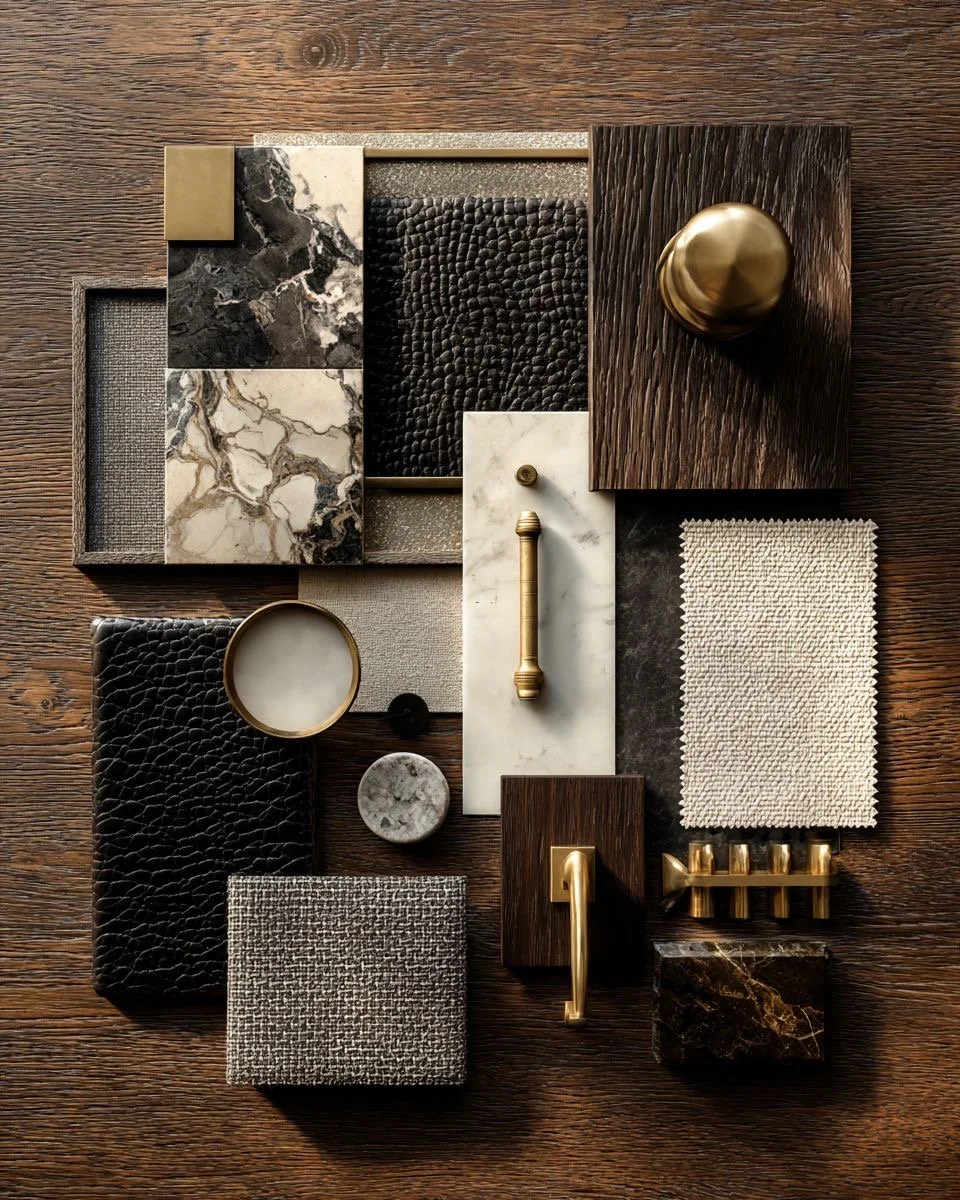
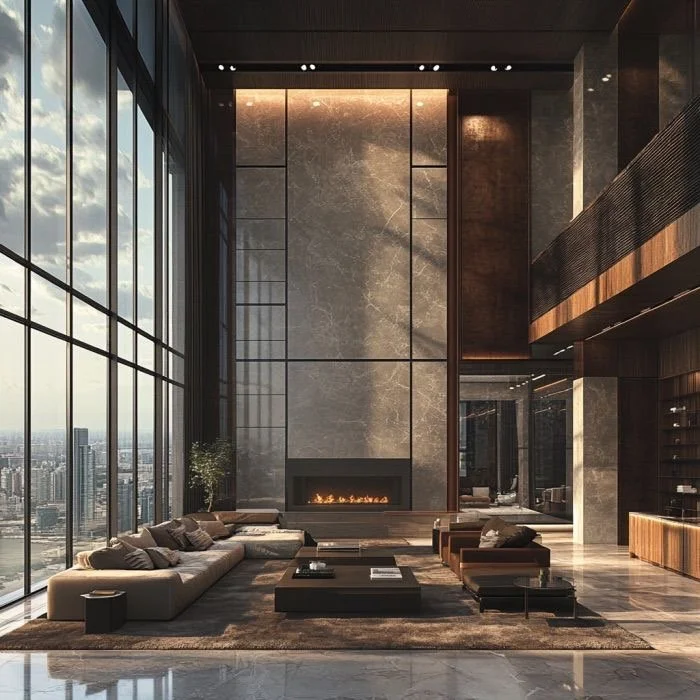
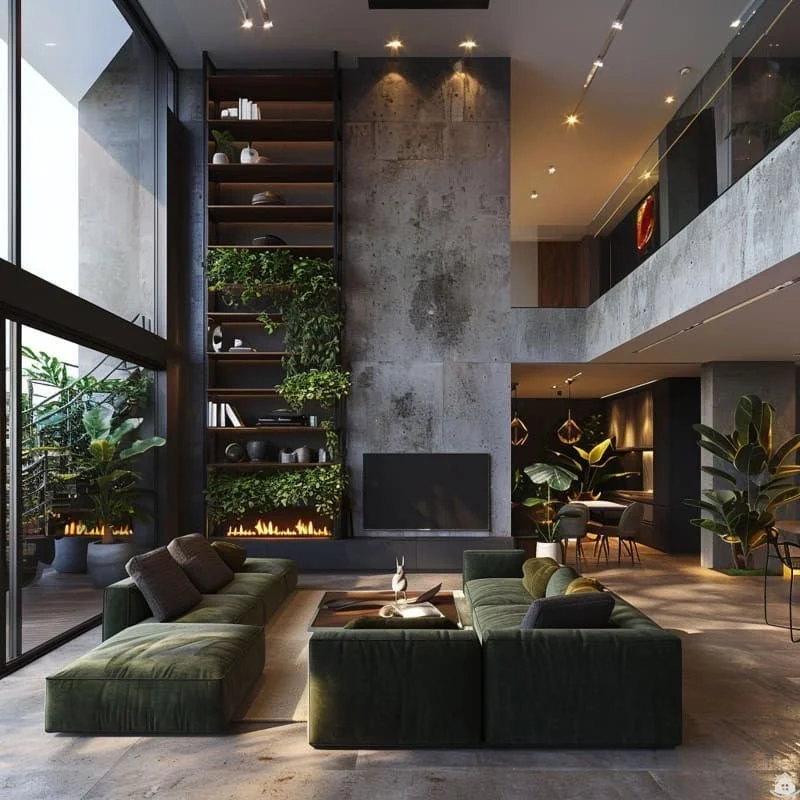
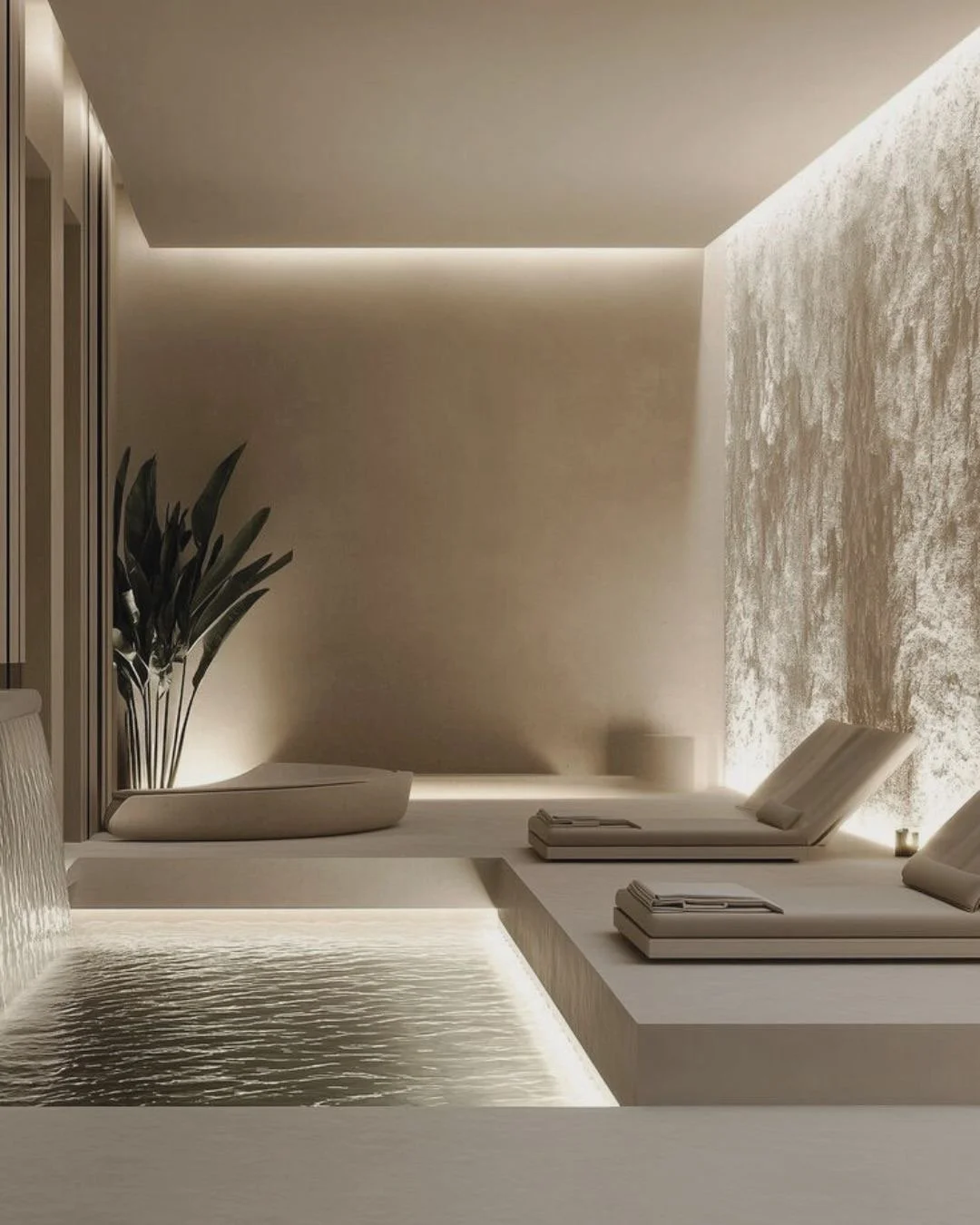
Acoustic comfort- a quiet luxury:
Sound is one of the most overlooked elements of high-end home design, yet it has a profound impact on daily experience. I wholeheartedly stand by this principled design element in our residential + non-residential projects.
Wellness-focused architectural strategies include:
Integrated acoustic insulation + sound-absorbing finishes
Thoughtful spatial planning to separate active + private zones
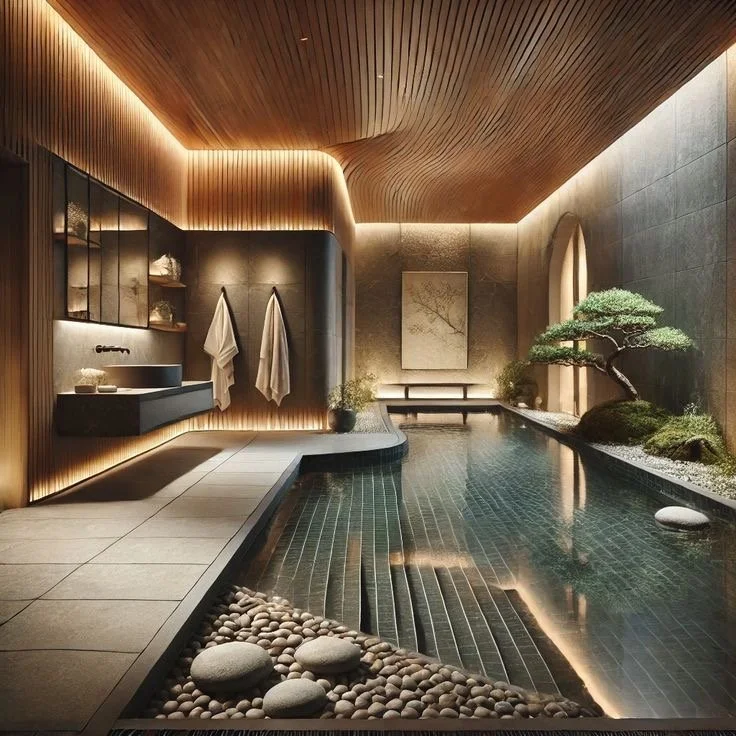
Natural ambient elements such as water features or breezeways
When sound is controlled, a home feels serene, intimate, + private-qualities that define modern luxury living.
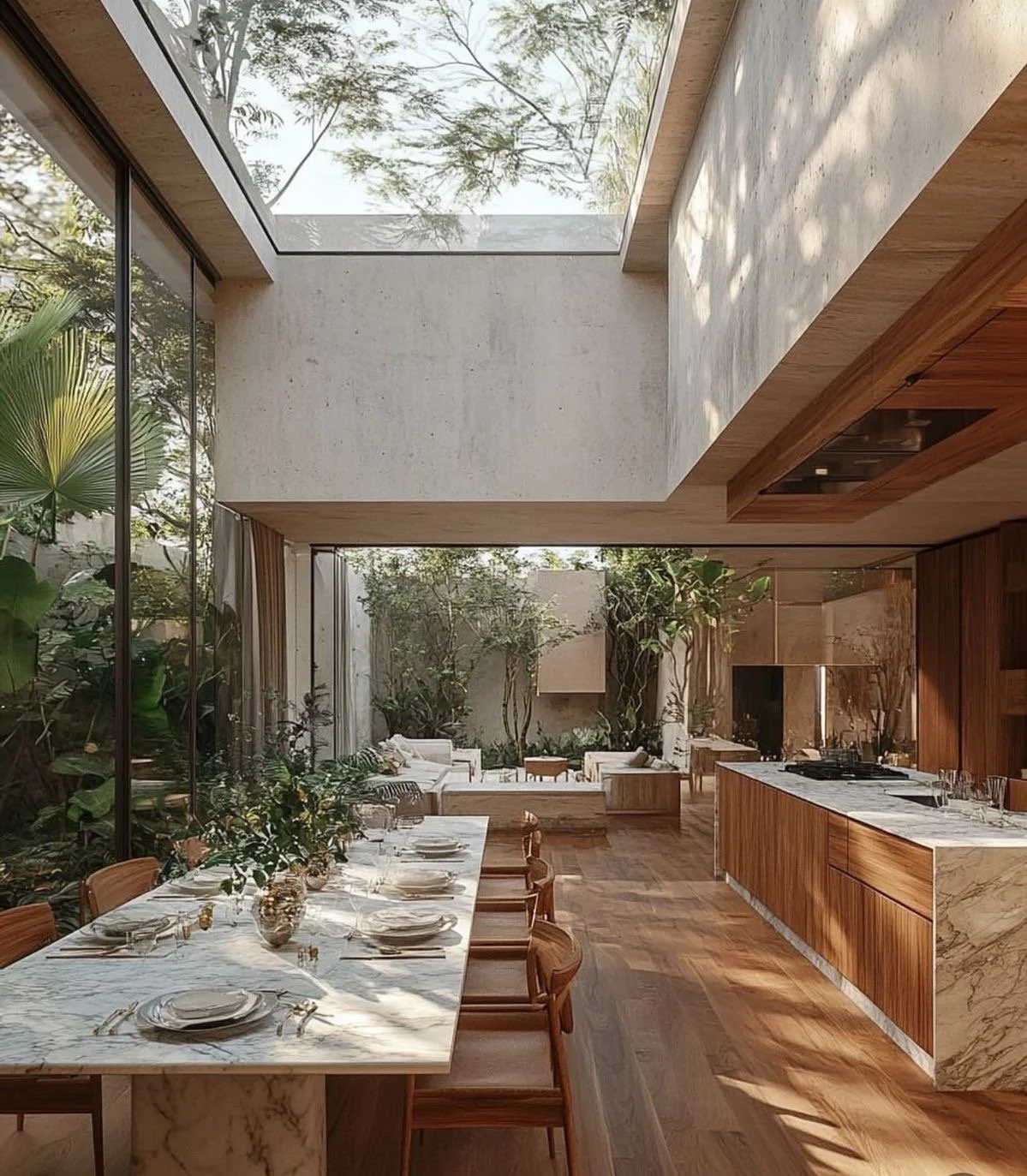
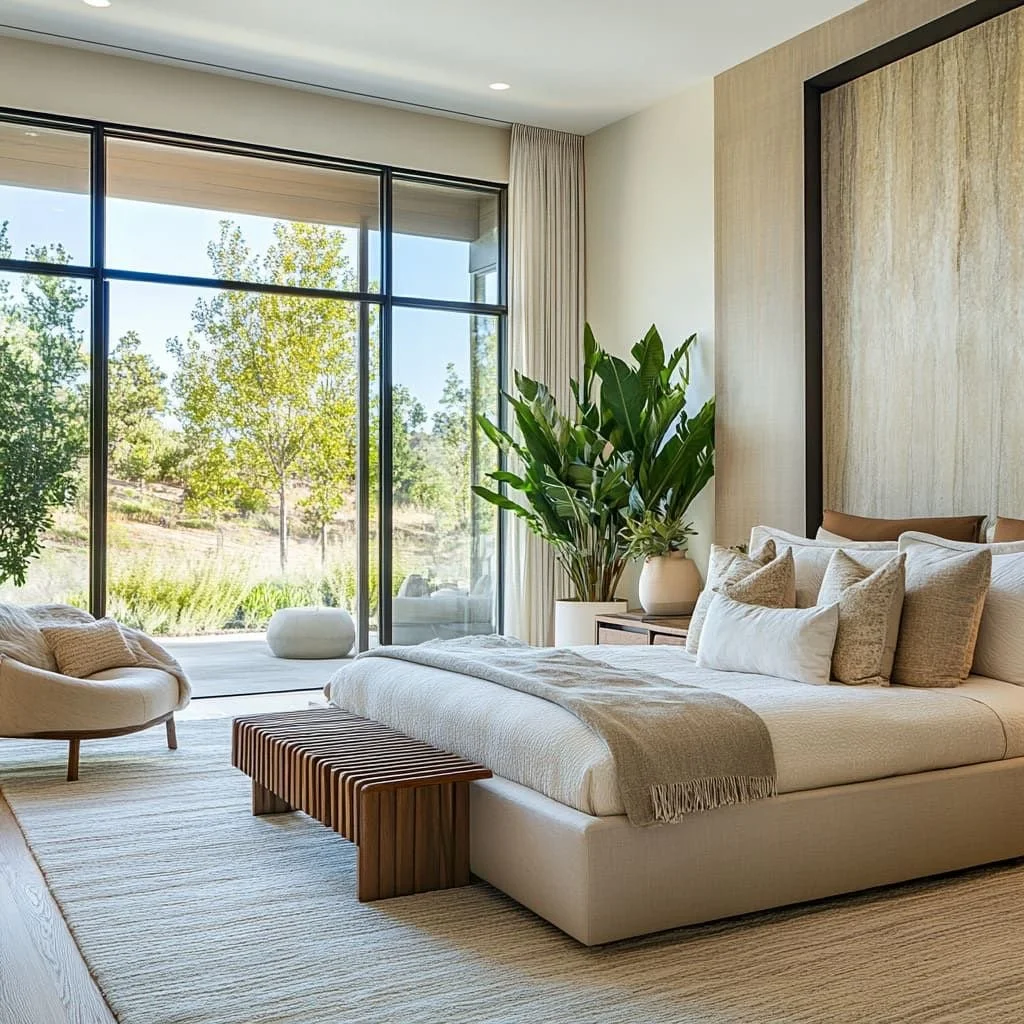
Tactile design- materials that invite connection:
Luxury is experienced through touch as much as sight; allow me to elaborate.
In refined residential architecture, materials are chosen not only for beauty, but for how they feel over time:
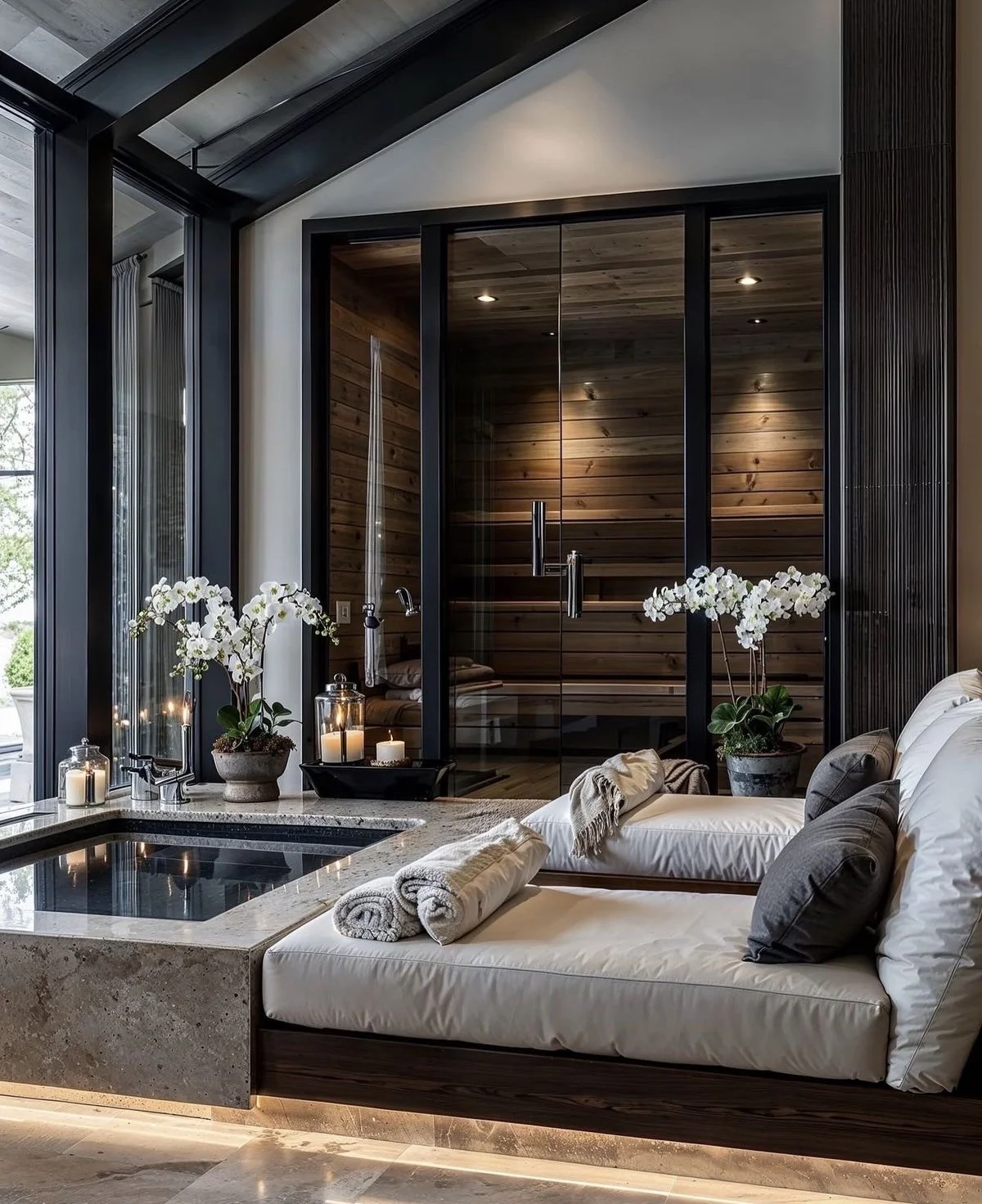
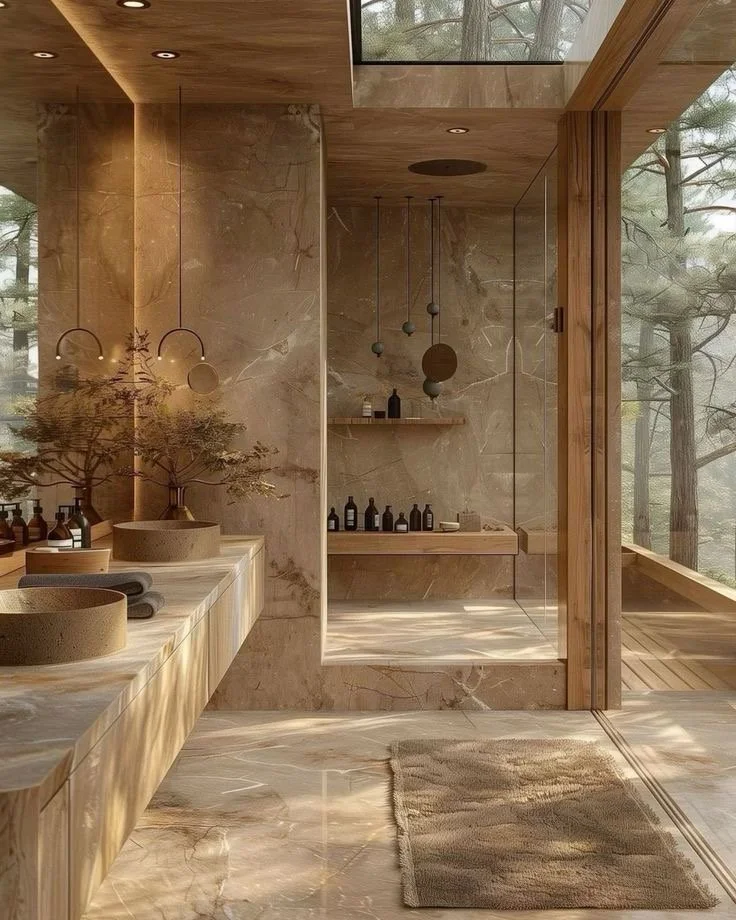
Honed stone instead of high-gloss finishes
Hand-finished wood that offers warmth + character
Soft, natural textiles that balance architectural precision
Every interaction-opening a door, walking barefoot across a floor, resting a hand on a railing—reinforces comfort + craftsmanship.
These details are subtle, however, they shape how a home is experienced every day.
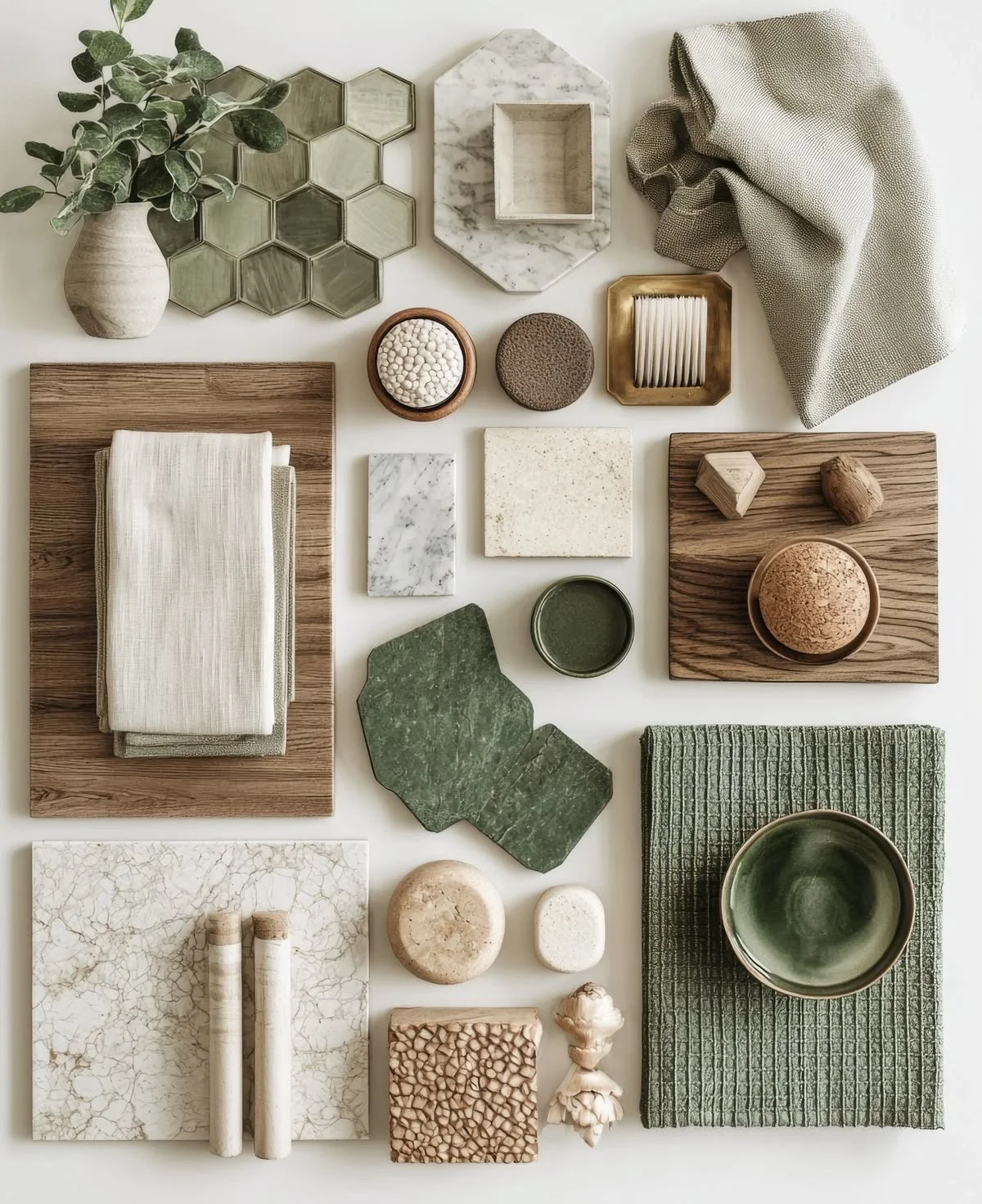
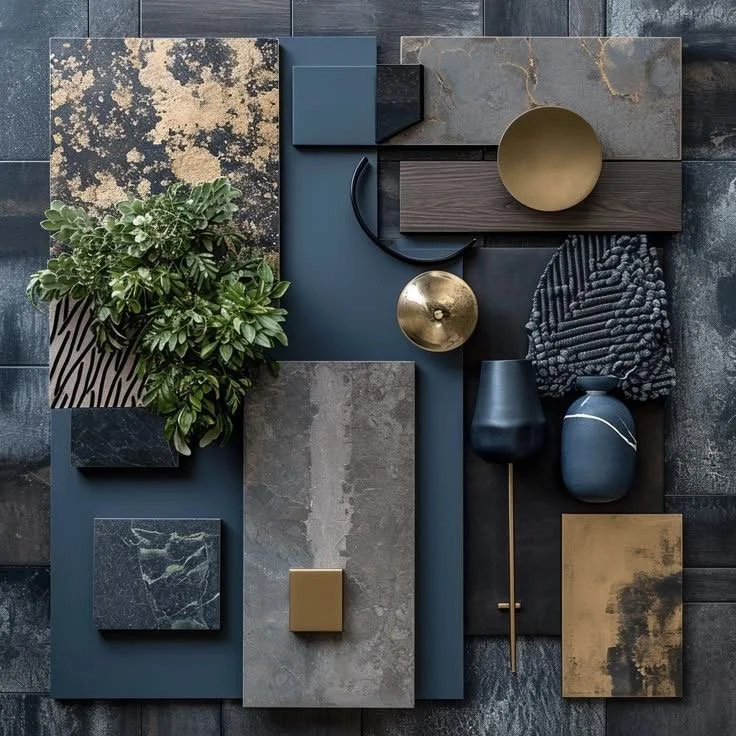

Wellness-focused design through air, light, + scent:
Scent + air quality are powerful contributors to emotional wellbeing + are integral to wellness-focused design. Candles, diffusers, + incense are exemplary within the home’s atmosphere, however, from an architectural design standpoint, it is not quite what I mean.
Architectural solutions include:
Cross-ventilation that encourages fresh airflow
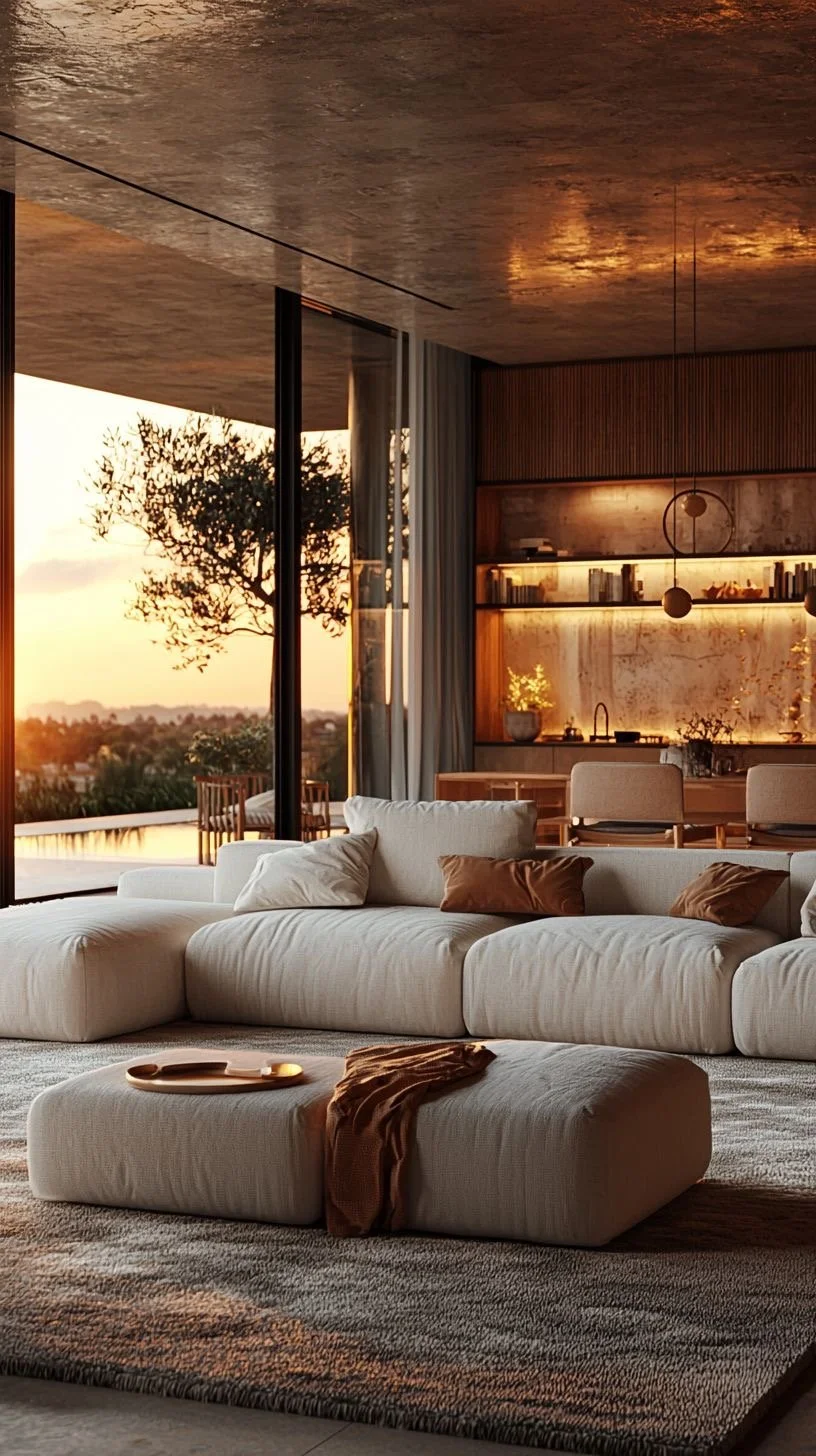
Seamless indoor-outdoor connections that bring nature inside
Natural materials that age gracefully + emit subtle, organic scents
Rather than relying on artificial enhancements, luxury architecture allows the home to breathe-creating a sensory environment that feels authentic + restorative.

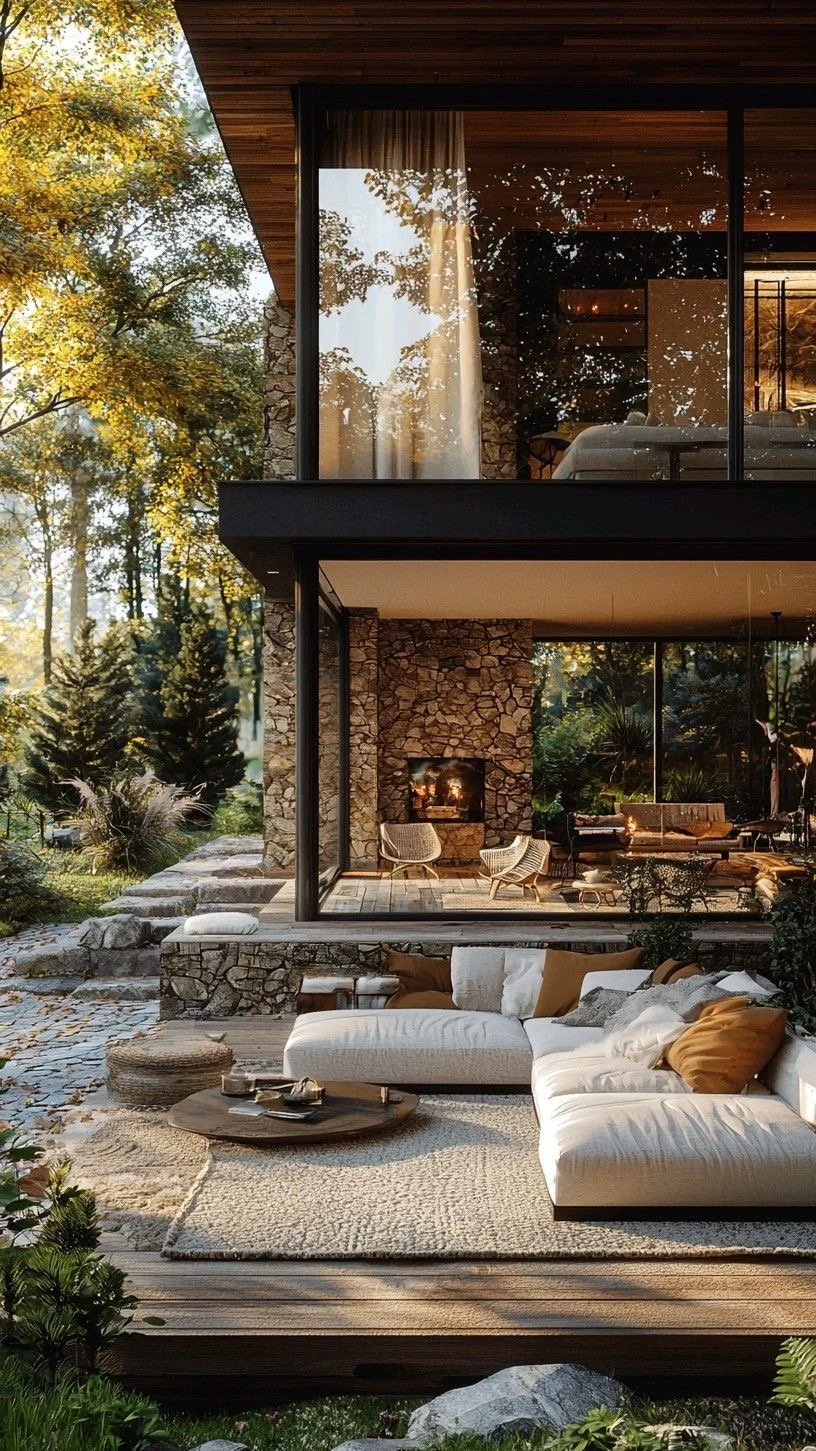
Designing for connection- the heart of luxury:
At its core, exceptional luxury residential architecture is about connection. Most truly + intentionally. Connection to:
Family + guests, through inviting gathering spaces
Nature, through daylight, views, + outdoor living areas
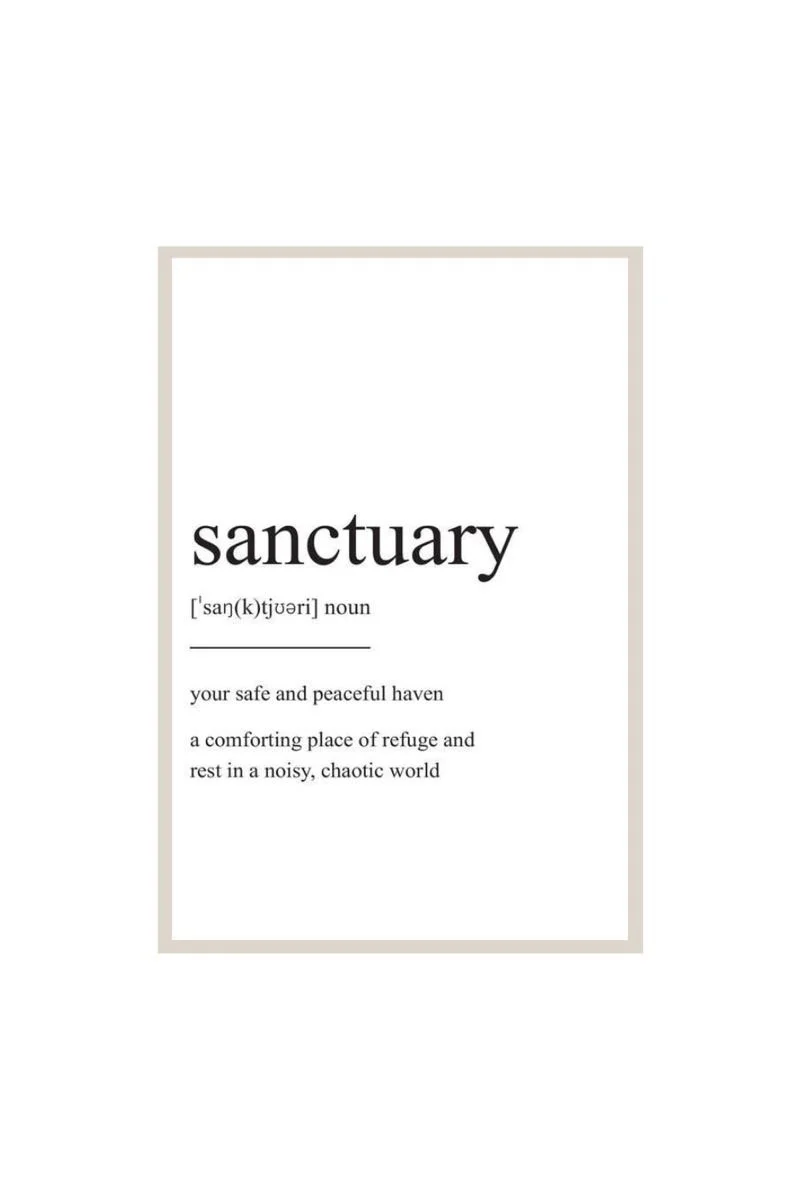
Self, through private sanctuaries designed for rest + reflection
The most successful high-end home designs balance openness with intimacy. Grand spaces are complemented by quiet retreats.
Social zones flow naturally, while personal spaces provide refuge.
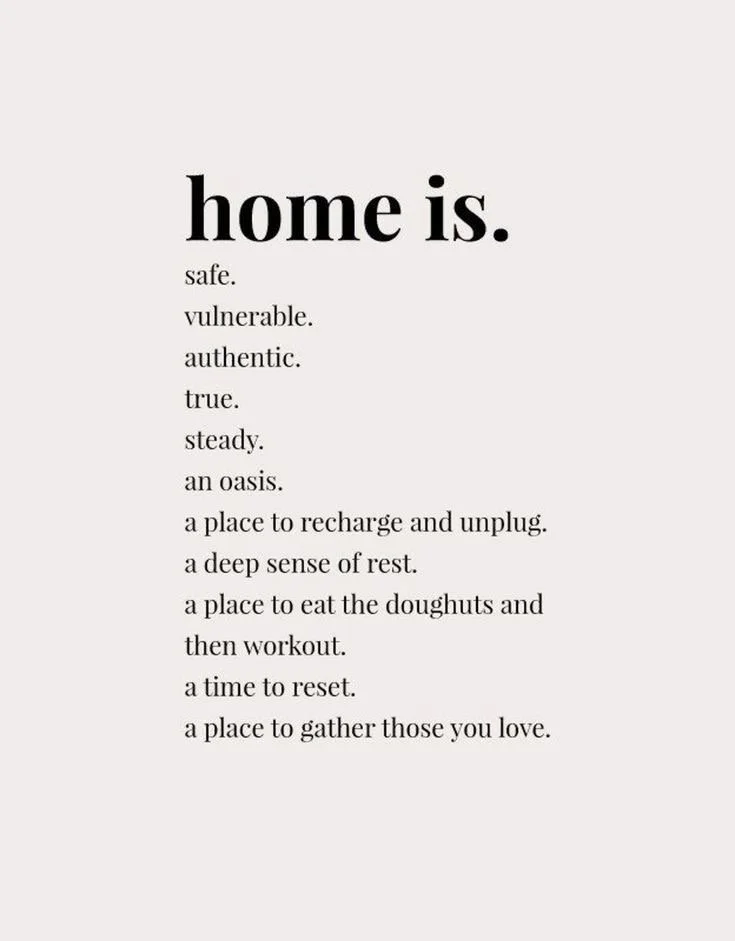
This balance is what transforms a house into a home that supports wellness + longevity.
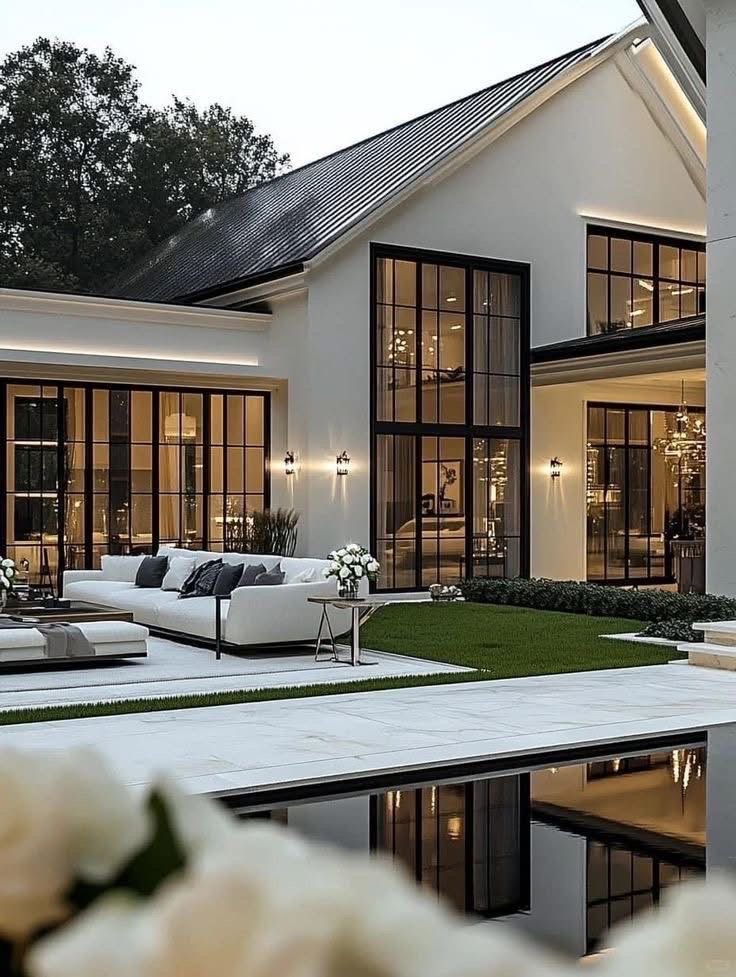
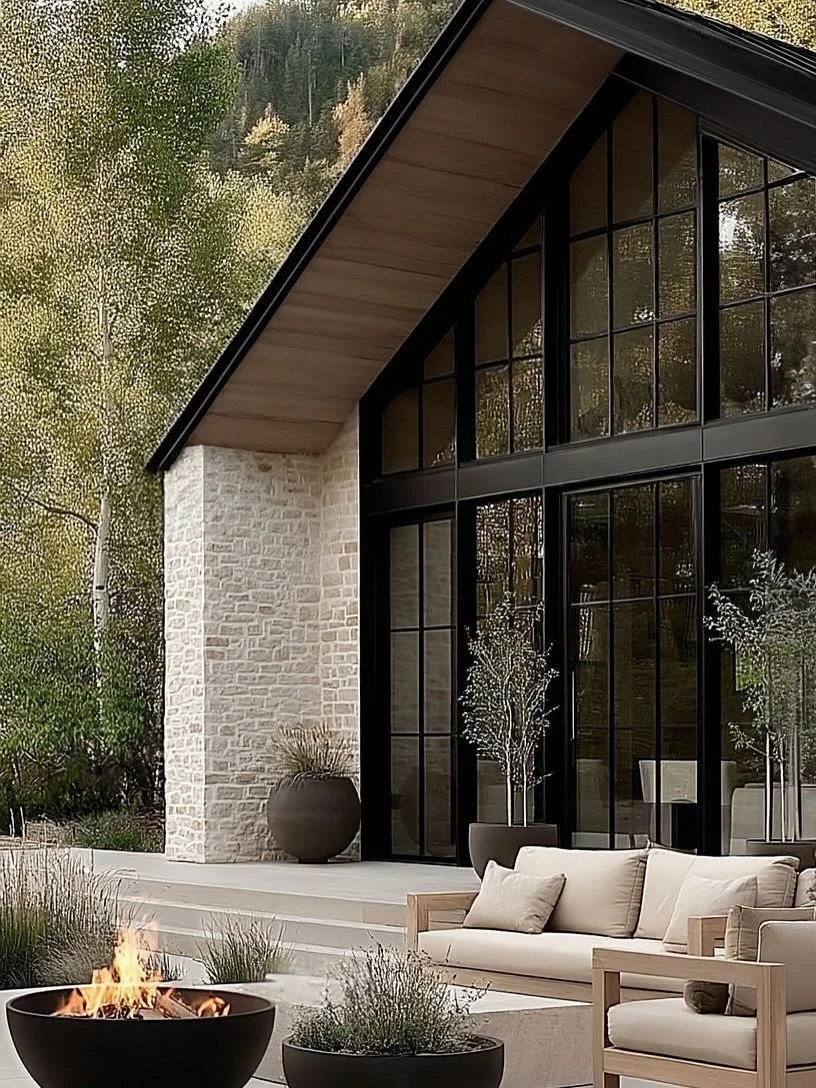
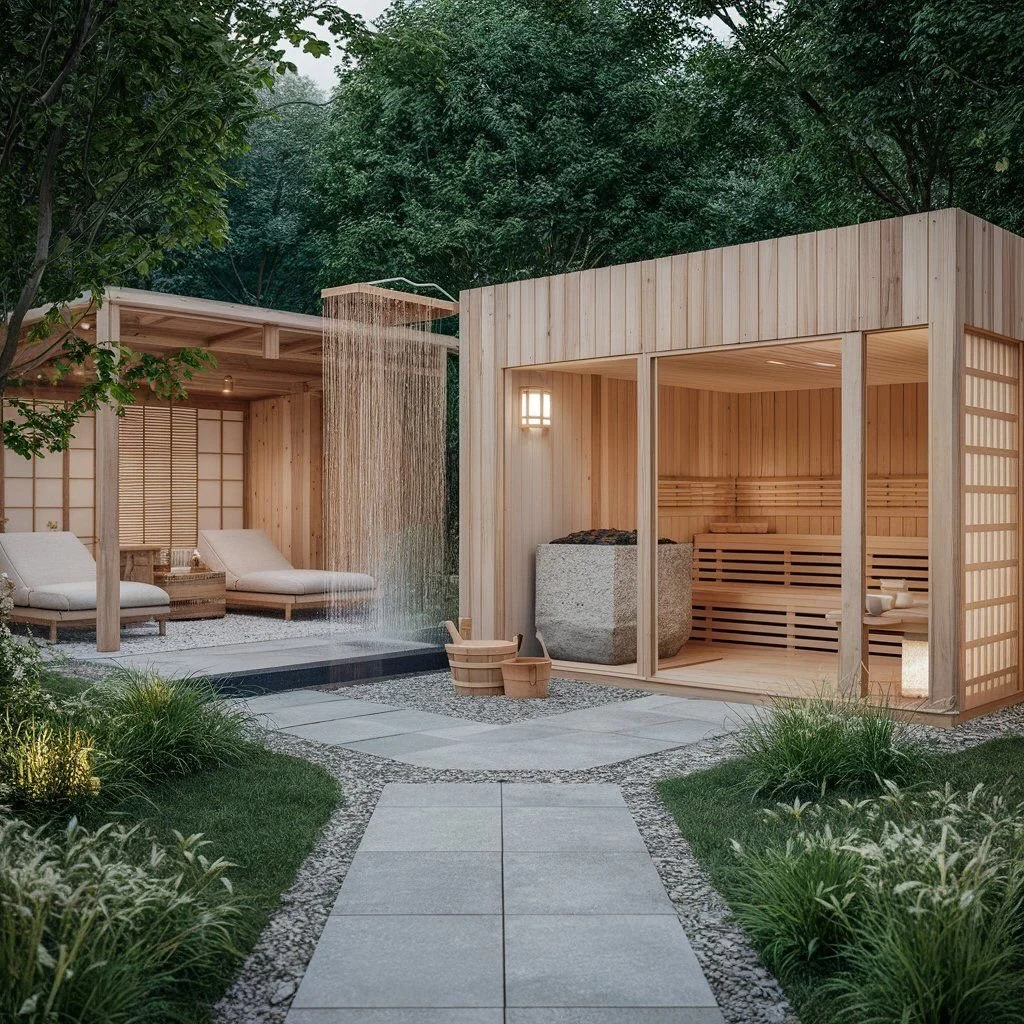
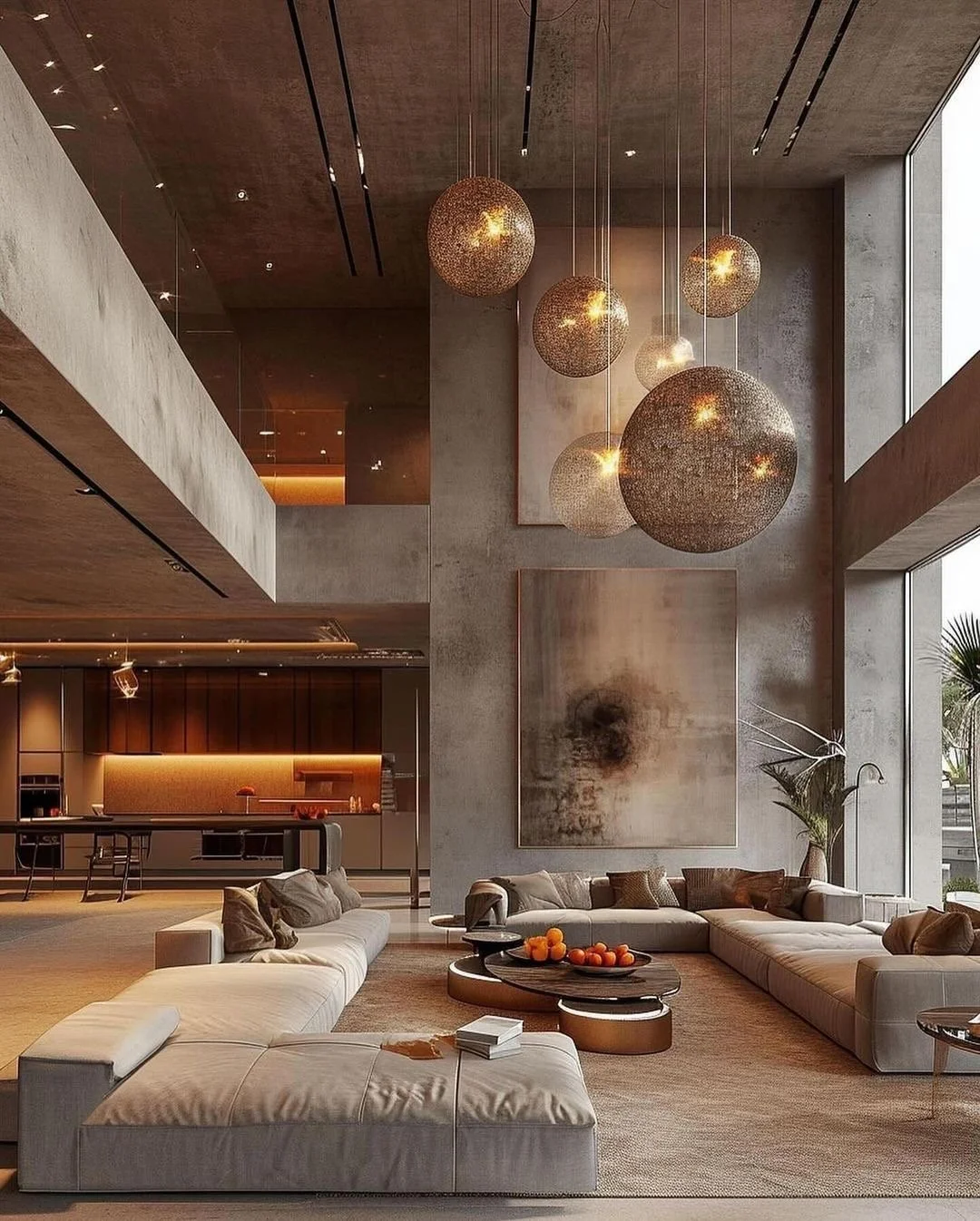
The new standard of high-end home design:
Today's most desirable homes do not announce their luxury loudly.
Nope…instead, they reveal it through:
Calm rather than chaos
Comfort rather than excess
Connection rather than spectacle
When architecture is designed for the senses, beauty becomes lived-in, wellness becomes intuitive, + luxury becomes timeless.
For homeowners investing in a residence that supports not just how they live-but how they feel-wellness-focused luxury residential architecture is not optional. It is the future of high-end home design + we are so in that vibe.
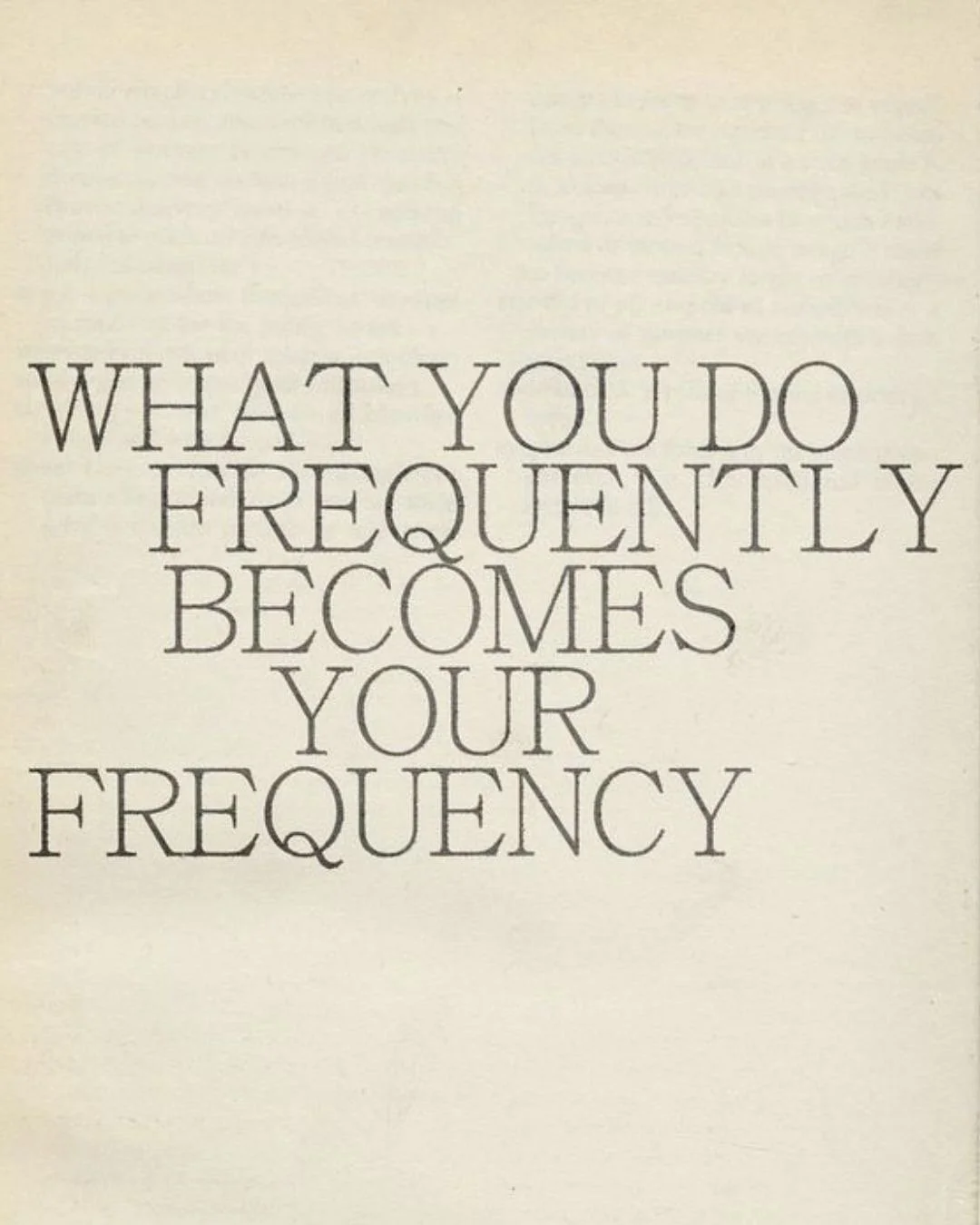
My current frequency is alignment. Designing is my passion, yes, however, over the past few years, I’ve recommitted my passion through service by just loving + sharing. Honestly, it fuels me to keep engaging + educating discerning homeowners as well as small business owners like myself on the powerful impact-fulness of thoughtful architectural design in the built environment.
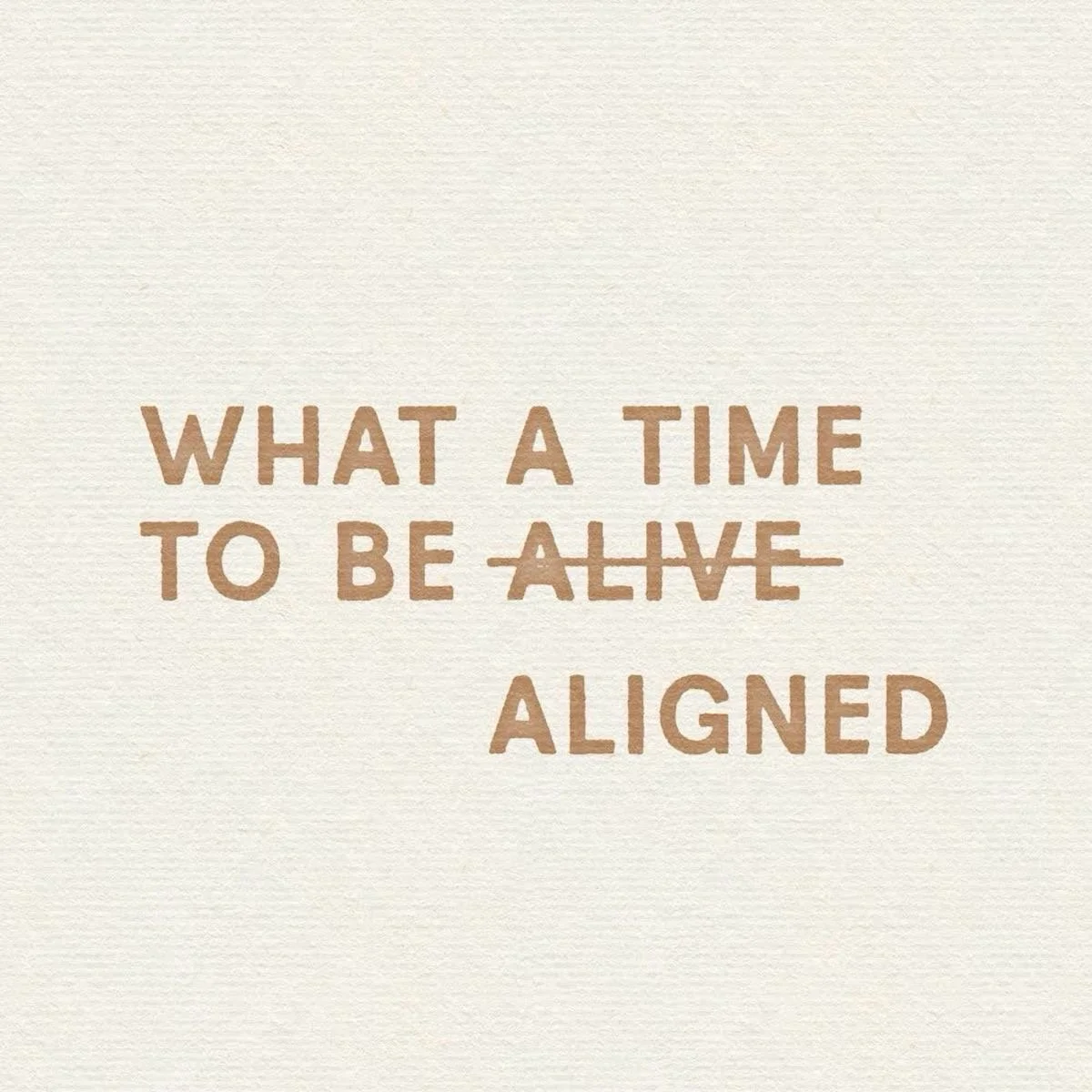
“Happy New Year from the Sola fam to you + yours! Wishing you a very blessed + prosperous year….blessings all year long!”

Yes, Lord….lead and I will follow. As always, you know I thoroughly enjoyed myself with you guys.
Until next time…
Live.Love.Design.
xo Renae
(All pics are courtesy of my Pinterest)